The Financial Times reported that Doha will host separate preparatory meetings this week involving mediators and representatives from the United States and Iran ahead of a formal signing ceremony in Switzerland on Friday.
Qatar and Pakistan have led mediation efforts that helped secure an agreement to extend a 60-day ceasefire, gradually reopen the Strait of Hormuz and establish a framework for negotiations on Iran’s nuclear programme, according to the Financial Times.
Qatari negotiators travelled to Tehran on Sunday in coordination with the United States and held 17 hours of intensive talks with Iranian officials before departing, diplomats briefed on the discussions told the newspaper.
A senior U.S. administration official told Reuters that President Donald Trump, Vice President JD Vance and Iranian Parliament Speaker Mohammad Bagher Ghalibaf have already signed a memorandum of understanding electronically ahead of a formal signing ceremony scheduled for Friday in Switzerland.
The official said the digital signing marked an initial step in the implementation process.
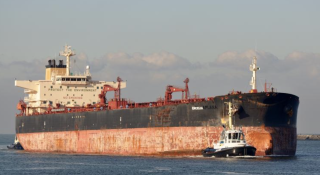
Under the agreement, Iran would gradually reopen the Strait of Hormuz as mines are cleared from the waterway during the first 30 days of implementation.
Tehran would not charge transit fees during the 60-day period, while Washington would lift its naval blockade on Iranian ports.
The accord also establishes a framework for negotiations over Iran’s enriched uranium stockpile.
According to people familiar with the talks cited by the Financial Times, Tehran would reaffirm that it will not pursue nuclear weapons, while discussions would begin on mechanisms for managing and diluting its enriched uranium under international supervision.
Financial markets reacted positively to the developments, with oil prices falling on expectations that energy supplies and shipping routes through the Gulf could gradually return to normal.
The agreement also includes a call for an end to regional hostilities, including clashes between Israel and Hezbollah.
However, Israeli Prime Minister Benjamin Netanyahu and other senior Israeli officials insist Israeli troops will continue to occupy southern Lebanon, Gaza and Syria despite the U.S.-Iran agreement, while Israeli attacks continued in Lebanon and Gaza.