Qatar and U.S. energy ministers warn that the EU’s Corporate Sustainability Directive could harm LNG trade, raise energy prices, and threaten Europe’s energy security.
Qatar and the United States have urged the European Union’s members to reconsider their Corporate Sustainability Due Diligence Directive (CSDDD), warning of its “significant risk to the affordability and reliability” of energy supplies.
The two countries, which stand among the world’s top exporters of liquified natural gas (LNG), expressed their concerns over the directive, adopted last year, in an open letter published on Wednesday morning.
Qatar’s Minister of State for Energy Affairs Saad Sherida Al-Kaabi and U.S. Secretary of Energy Chris Wright signed the letter.
The ministers said they “consistently and transparently communicated how the CSDDD, as it is worded today, poses a significant risk to the affordability and reliability of critical energy supplies for households and businesses across Europe”.
They also pointed to previous warnings about how the directive poses an “existential threat to the future growth, competitiveness, and resilience of the EU’s industrial economy”.
“It is our genuine belief, as allies and friends of the EU, that the CSDDD will cause considerable harm to the EU and its citizens, as it will lead to higher energy and other commodity prices, and have a chilling effect on investment and trade,” the ministers explained.
The directive mandates that certain gas suppliers to the EU adhere to specific human rights standards and implement policies aimed at achieving climate neutrality by 2050. The companies would face financial penalties if they do not comply with the standards.
Qatar and the U.S. called for the reconsideration of several parts of the directive, including the texts on extraterritorial application, transition plans for climate change mitigation, penalties and civil liability of companies.
“These provisions pose significant challenges and seriously undermine the ability of the American, Qatari, and broader international energy community to maintain and expand their partnerships and operations within the EU,” they added.
The two countries further warned that the directive’s “implementation could jeopardise existing and future investments, employment, and compliance with recent trade agreements”.
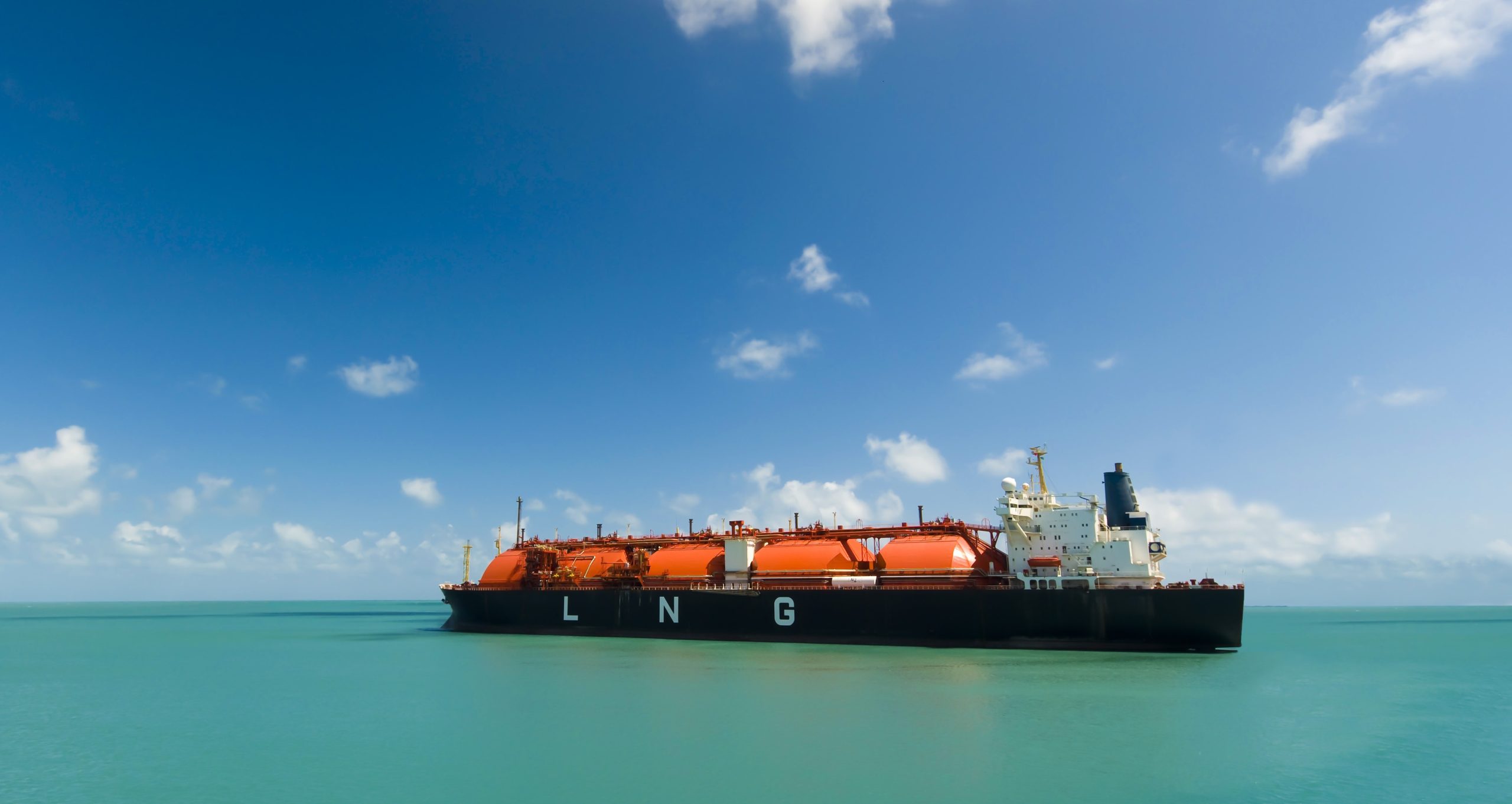
Qatar, the U.S., and Australia are the world’s three largest LNG exporters.
The Gulf state alone has played a critical role in the energy sector, especially following Russia’s invasion of Ukraine in 2022.
Qatar has been supplying between 12 percent and 14 percent of Europe’s LNG since the beginning of the conflict as European countries sought alternatives to Russian gas, according to trade intelligence site Kpler.
“The United States and Qatar remain steadfast in our commitment to the EU’s continued success, and we stand together as willing and constructive partners in this endeavour[…]The citizens of your Member States rightly expect their leaders to confront these challenges with seriousness, responsibility, and resolve,” the letter said.
Meanwhile, last week, Qatar’s energy minister told Reuters that the Gulf state would not be able to do business with the EU if the required amendments were not made to the corporate sustainability rules.
“We have been seeking to constructively engage with the key players at both the European Commission and every EU Member State for almost a year now on CSDDD,” Al-Kaabi told the news agency.
“QatarEnergy will not be able to justify doing business in the EU, be it in LNG or other products, due to the significant risk it would be exposed to due to the overreaching nature of the proposed regulations, which will ultimately harm the European end consumers,” he added.