Legal provisions and access to them have been enhanced, yet creating awareness remains paramount to improve working and living conditions of the workers, experts agreed.
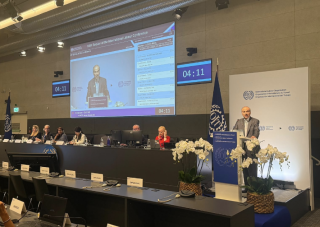
Enhancing domestic workers’ access to justice in Qatar was at the front of the mind at an event jointly organised by the National Human Rights Committee (NHRC) and the International Organisation for Migration (IOM) on Monday to mark the International Domestic Workers Day.
The event, which hosted three panel discussions, aimed to review the progress made in addressing human rights concerns, according to NHRC Vice Chairman, Dr. Mohammed bin Saif Al-Kuwari.
“Protecting the rights of domestic workers […] is a protection of human rights guaranteed in the constitution of Qatar, which stipulates that Qatari society is based on the pillars of justice, benevolence, freedom, equality, and good morals,” the Qatar News Agency quoted Al-Kuwari as saying.
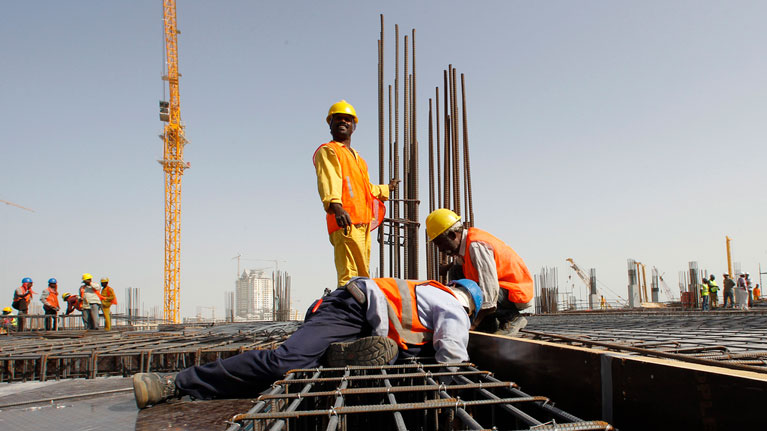
Domestic workers make up 8.39% of the total non-Qatari workforce, with some 168,626 engaged in some form of household job according to the Labour Force Survey Report 2022.
Speaking at the opening discussion, Al-Kuwari put protection of domestic workers’ rights as “a social and cultural priority”, according to the QNA report, adding the NHRC’s continued efforts through education, awareness, and advocacy have moved the needle in a positive direction.
Roula Hamati, the Migration Management Officer for the IOM Mission in Qatar, said recent changes in provisions have caused “qualitative changes” in the ground reality for the workers.
“She added that the State of Qatar has made remarkable progress in terms of legislation aimed at protecting the rights of migrants in general,” the QNA report added, “starting with ensuring freedom of movement in the labour market, changing employers, and the minimum wage[…]”
Nasser Sultan Al-Marri, Director of the NHRC’s Legal Affairs Department, stated that all petitions are thoroughly examined and verified prior to being submitted to the relevant authorities for necessary action.
While NHRC’s increased involvement to ensure transparency and independence in human rights-related matters has contributed to those procedures, the decision to install a multi-language urgent appeal system also played a vital role, according to Al-Marri. NHRC currently operates a hotline in Arabic, English, and Urdu (including Hindi and Nepali) in addition to Filipino and Swahili.
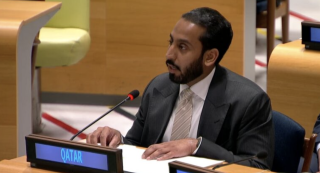
“The State of Qatar has issued legislative tools and laws to regulate and protect this group and achieve justice by providing them [domestic workers] with legal protection and support,” said Mohammed Nasser Al-Jaber of the Ministry of Interior’s Search and Follow-up Department (SFD), according to QNA.
Qatar’s Domestic Workers Law, issued by Law No. 15 of 2017, Law No. 21 of 2015 Regulating the Entry and Exit of Expatriates, and Law No. 15 of 2011 Combating Human Trafficking, were all touted by Al-Jaber as key procedures put in place to enhance living and working conditions as well as to prevent abuse of power.
Legislation related to the transfer of sponsorship, obtaining of a residence permit as well as facilitation of a worker’s safe departure if he or she surrenders and requests voluntary departure post abolishment of the Kafala have also contributed to a more robust system, he added.