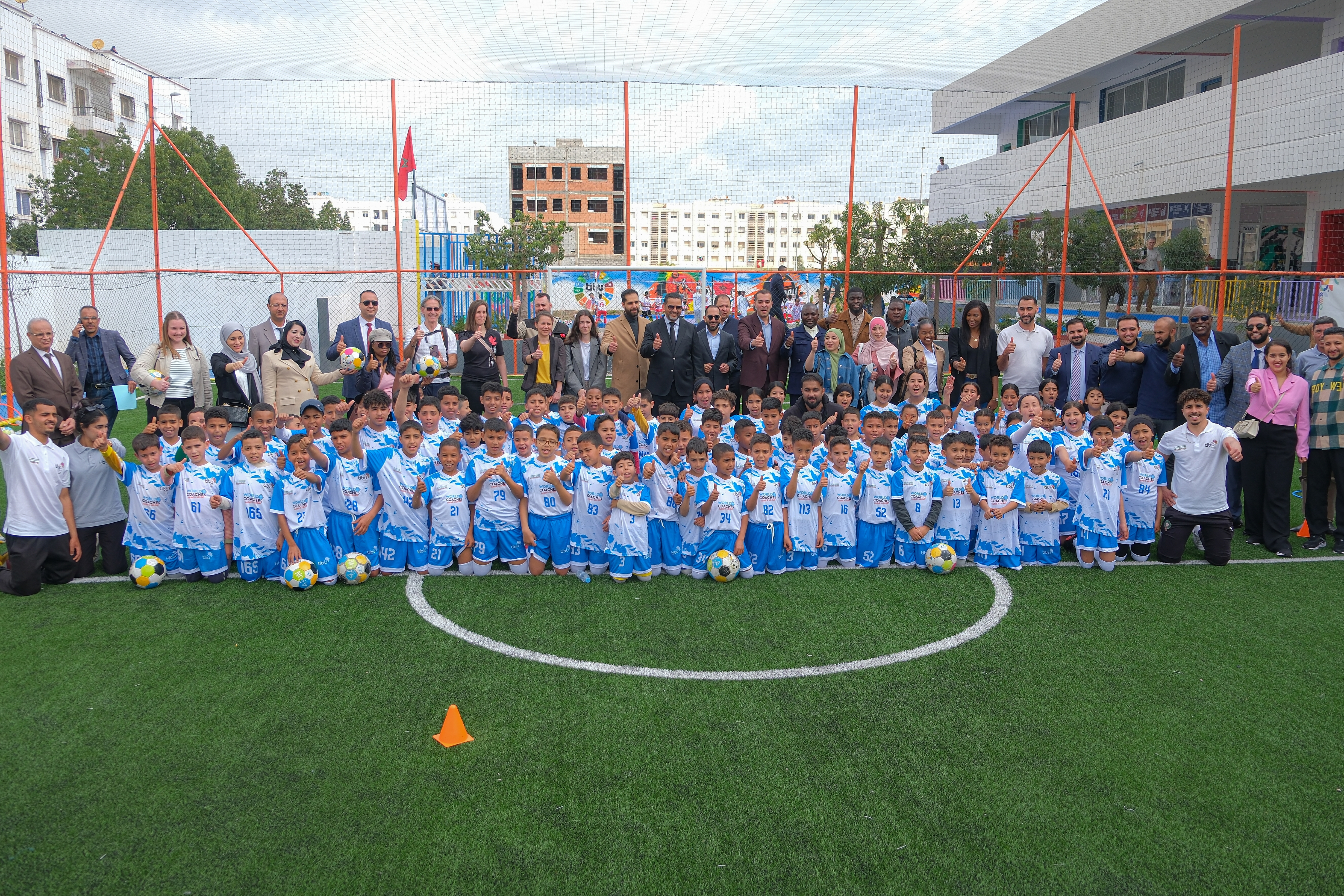
The multi-year collaboration will see the FIFA World Cup 2022’s legacy project expand its activities in 2030 co-hosts Morocco and the wider region.
Qatar’s World Cup legacy project, Generation Amazing, has signed a Memorandum of Understanding with Tibu Africa to expand its activities in wider MENA region, geared towards using sports to drive social change.
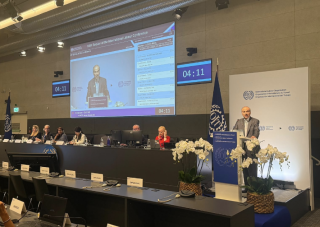
Executive Director of the Generation Amazing Foundation, Nasser Al-Khori, formalised the collaboration with Mohamed Amine Zariat, the founder and president of Tibu Africa, on the sidelines of the Education Through Sport Summit in Africa.
The summit was hosted in Morocco’s Casablanca from April 3 to 6 by Tibu Africa, a Moroccan NGO aiming to deal with issues related to social inclusion, education and empowerment of marginalised groups through sports.
The collaboration is part of an effort to use mega events to leave a lasting legacy, Generation Amazing’s Al-Khori said in a statement, especially as Morocco prepares to co-host the 2030 FIFA World Cup alongside Spain and Portugal.
“Our partnership with Tibu Africa marks the beginning of this shared commitment — one that will harness sport to advance education, inclusion, and social change,” he added.

Generation Amazing claims to be the first longstanding legacy programme to come out of a major sporting event and has continued to foster partnerships with key stakeholders after the FIFA World Cup Qatar 2022.
Its partnership with Tibu Africa will include initiatives related to youth empowerment, psychosocial support, leadership enhancement and health programs across Morocco and the wider MENA region.
“Together, we are ensuring that sport remains a powerful tool for social inclusion, youth development, and community building,” Tibu Africa’s Zariat said.
Programmes such as psychosocial sport curriculum for refugee and migrant communities in Morocco, the development of a joint basketball curriculum, and the integration of sports into public health education are included in the collaboration.
Working hand-in-hand with other initiatives such as French Club Paris Saint-Germain’s PSG for Communities and Moroccan footballer Achraf Hakimi’s charitable foundation also occupies a crucial part.
With Saudi Arabia, another country in the wider MENA region set to host the subsequent World Cup in 2034, legacy projects carry higher importance than ever to trigger substantial societal changes, added Al-Khori.
“The decade ahead presents an unprecedented opportunity to expand this legacy across the region,” he said. “
“Together, we look forward to building a legacy that extends beyond the pitch, ensuring that future generations have the opportunities, skills, and safe spaces they deserve to thrive.”