Global conflict mediation is weakening just as wars are spreading, write Ghassan Elkahlout, Sansom Milton, and Sean Deely.
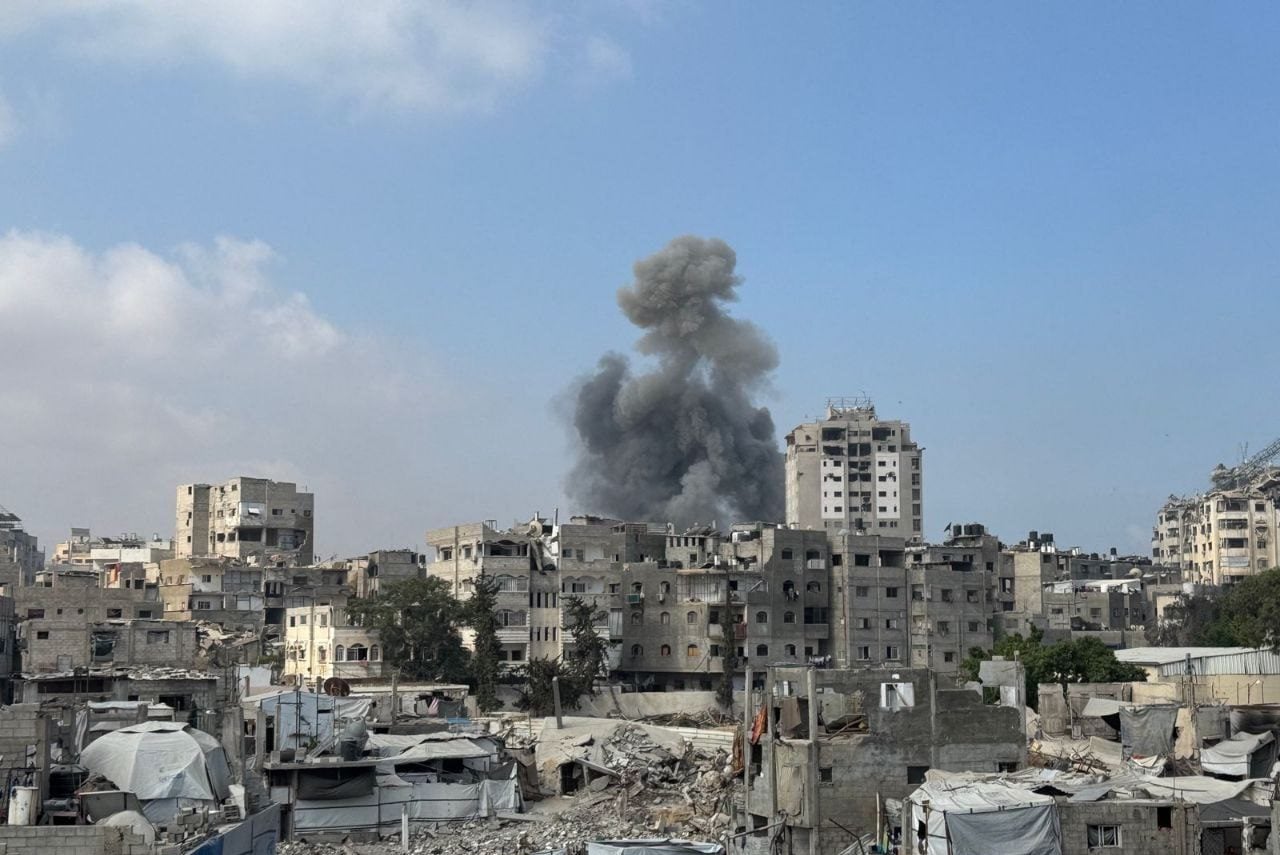
Conflict mediation is in crisis. The world has become more violent in recent years. Wars have spread in Sudan, Ukraine, Ethiopia, Myanmar, and the Gaza Strip, killing vast numbers of civilians. Yet major peace deals have become increasingly rare. The last comprehensive peace agreements were in the Philippines in 2014 and Colombia in 2016. The rules that once shaped how wars end and how peace is made no longer apply.
In the 1990s, a standard formula for making peace involved warring sides negotiating over key issues, agreeing on a transitional government to share power, and securing international support to maintain security and improve governance. That model has collapsed, as mediators are increasingly focused on managing violence through ceasefires and partial deals rather than resolving conflict by addressing root causes.
Mediation is needed now more than ever to halt the slide into escalating armed conflict and global crisis. When it works, it brings enemies to the table, saves lives, and ends wars without one side having to annihilate the other. However, the foundations that have underpinned it for decades are crumbling.
American global leadership has been replaced by growing competition between the U.S., China, and Russia. Arms control frameworks are collapsing and nuclear risks are mounting, yet mediation is almost absent from these conversations. Great power competition has also undermined the multilateral cooperation needed to sustain global approaches to ending wars and building lasting peace. Institutions once charged with resolving conflict, the United Nations, regional bodies, and international legal mechanisms, are now frequently paralysed and politically contested.
These challenges are compounded by a sharp drop in funding for peacebuilding as Western donors shift resources towards defence and military spending. The infrastructure that once supported mediation, training, early warning, and sustained diplomatic engagement is being hollowed out just when it is most needed.
Many of the red lines that were not crossed in years past are now routinely violated. Hospitals, aid workers, and journalists are no longer considered off limits but regularly come under attack in conflict zones. Most starkly, mediation itself became a target when Israel bombed the Hamas negotiating team in Doha on 9 September as they gathered to discuss the terms of a ceasefire proposal. The attack raised a fundamental question: if negotiators can come under fire at the table, how can any peace process move forward? Mediation depends on a basic compact that those working to end violence will not themselves become targets. That compact is fraying, forcing a rethink of what mechanisms can protect mediators, host states, and the negotiating process itself.
The question is whether mediation can function in a principled and effective way in the increasingly fragmented and competitive international system.
New practices of mediation and peacemaking are nonetheless emerging. President Trump claims to have ended eight wars in just eight months throughout 2025. In this era, peace agreements are now treated like a business transaction. Economics has returned as a tool of peacemaking and of leverage. The private sector is increasingly involved in conflict management, and deals are being brokered on promises of investment and market access. Warring parties are recast as reluctant yet promising economic partners. Whether this produces a durable peace or merely pauses in profitable conflicts remains to be seen.
Moreover, mediation is no longer the preserve of Western diplomatic capitals. Rather, the centre of gravity in peacemaking has shifted to the Global South, with the Gulf states, Turkey, Brazil, China, and others playing a key role as peace brokers. Qatar has mediated in conflicts and crises globally, from Gaza and Lebanon to Afghanistan, Chad, Venezuela, and Somalia.
This is not just about new faces at the table. The very idea of what makes a mediator legitimate is being rewritten. Western claims to neutrality are increasingly contested, whilst regional actors argue that proximity, shared culture, and economic ties offer a different kind of credibility. Yet this shift carries risks. Local and regional actors are stepping up, but with international support shrinking, they risk being handed responsibility without resources.
These shifts will be high on the agenda at the Qatar Mediation Forum, which convenes on 7 and 8 December in Doha. The forum will ask hard questions: can international organisations build genuine partnerships with regional and local mediation actors? Can mediation be protected from those who would rather see talks fail? And can new approaches deliver lasting peace, or only temporary pauses? The answers matter beyond the conference hall. Whether mediators can adapt to these strategic challenges will shape whether mediation itself survives as a tool for ending wars.
The opinions expressed in this article are those of the authors and do not necessarily reflect the position of Doha News.