Qatar warns the region is nearing an uncontrollable escalation as US threats to Iran intensify and tensions over the Strait of Hormuz deepen.
The regional situation in light of the ongoing joint United States-Israel war on Iran could spiral out of control, Qatar’s Foreign Ministry spokesperson, Majed Al-Ansari, told a weekly press briefing in Doha on Tuesday.
“We have been warning since 2023 that escalation left unchecked will get us into a situation where it cannot be controlled, and we are very close to that point,” Al-Ansari said.
“This is why we have been urging all parties to find a resolution out of this war before it spirals out of control,” he added, stressing that “there are no winners if this war continues”.
The war has escalated since 28 February, significantly impacting the Middle East as Iran persisted in its attacks on different countries in the region. Iran has repeatedly claimed to be targeting U.S. interests in the region, a justification that was met with global rejection.
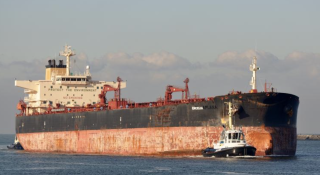
The closure of the Strait of Hormuz has also been a key point of contention, with U.S. President Donald Trump repeatedly issuing threats to Iran to open it. The Strait is used for roughly 20 percent of the world’s oil and liquefied natural gas (LNG) trade.
On Sunday, Trump warned Iran to open the Strait of Hormuz by Tuesday or the country will “be living in hell”.
He then issued a fresh threat on Truth Social on Tuesday, saying that “a whole civilisation will die tonight”.
“I don’t want that to happen, but it probably will[…]WHO KNOWS? We will find out tonight, one of the most important moments in the long and complex history of the World. 47 years of extortion, corruption, and death, will finally end. God Bless the Great People of Iran!” he added.
U.S. Vice President JD Vance issued a separate warning from a press conference in Budapest, saying that Washington is confident that it can get a response from Iran to negotiations to end the current war by 8:00pm.
“They’ve [Iranians] got to know, we have got tools in our toolkit that we so far haven’t decided to use,” he said on Tuesday.
While Qatar previously played the role of the interlocutor between the U.S. and Iran, it is currently not involved in mediation efforts, according to Al-Ansari. However, Qatar voiced its support for Pakistan’s diplomatic efforts in hopes of reaching a deal between Washington and Tehran.
Al-Ansari also stressed that any post-war agreement must include regional stakeholders and be supported by international guarantees. Al-Ansari also emphasised that consensus among countries bordering the Strait of Hormuz is essential and that no single party has the right to impose its will.
“Hormuz is a natural strait, not a canal, and all countries in the region have the right to use it freely,” Al-Ansari said.