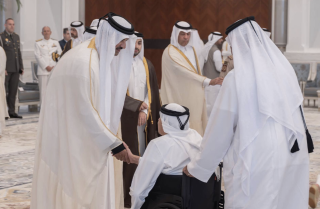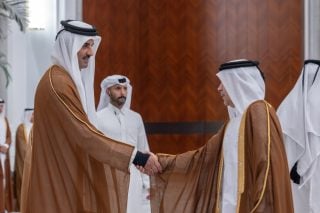
U.S. Undersecretary of State for Economic Affairs Jacob Helberg also met with Qatari officials in Doha to enhance trade and investment cooperation between the two nations.
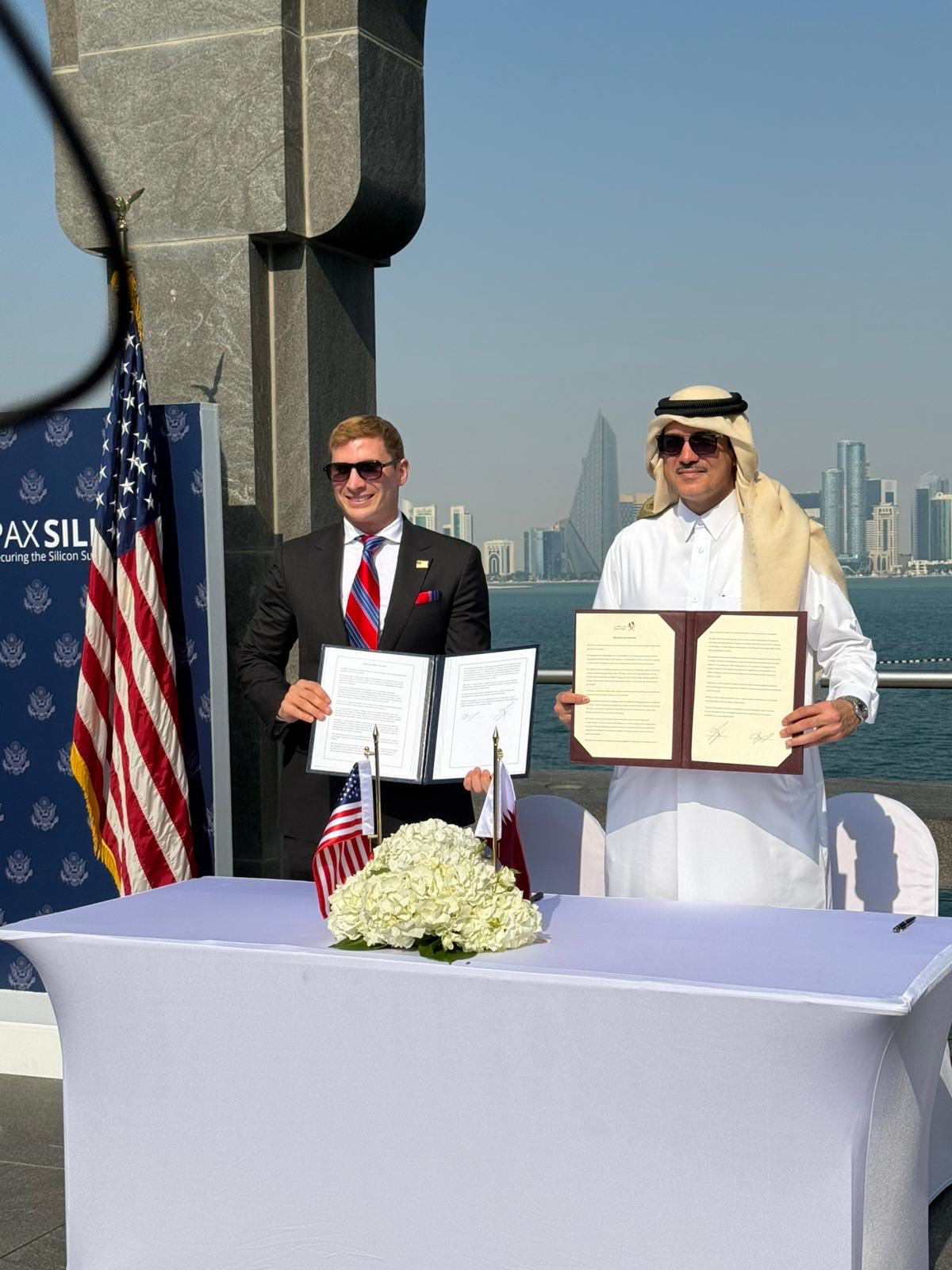
Qatar has signed on to the Pax Silica initiative, a U.S.-led effort to secure AI and semiconductor supply chains.
Qatar’s accession to Pax Silica was signed by U.S. Undersecretary of State for Economic Affairs Jacob Helberg and Qatar’s Minister of State for Foreign Trade Affairs Ahmed bin Mohammed Al-Sayed.
“Together, the United States of America and Qatar affirm a new geopolitical consensus that economic security is national security, and national security is economic security,” a statement from the U.S. Department of State said.
“Qatar’s leadership and commitment to investing in secure energy, advanced technology, and critical minerals supply chains make it an indispensable partner in this effort, placing Qatar in the vanguard of nations that will drive the next stage of global economic growth.”
The initiative brings together countries including Japan, South Korea, Singapore, Britain and Australia, to strengthen global supply chains for critical minerals, advanced manufacturing, and AI infrastructure.
“The United States and Qatar affirmed their commitment to pursue multilayered partnerships that strengthen supply chain security, address coercive dependencies and single points of failure, and advance the adoption of trusted technology ecosystems,” the U.S. Department of State added.
“They will explore opportunities to partner on flagship projects across global technology stacks, including connectivity and digital infrastructure, compute and semiconductors, advanced manufacturing, logistics, mineral refining and processing, and energy.”
Helberg emphasised that Pax Silica is not a typical diplomatic pact.
“The Silicon Declaration isn’t just a diplomatic communiqué,” he told Reuters. “It’s meant to be an operational document for a new economic security consensus.”
Helberg described the group as a “coalition of capabilities,” with membership shaped by the industrial and technological strengths each partner brings.
For Qatar, participation signals a shift toward cultivating strategic technology links on the global stage.
The Undersecretary of State for Economic Affairs said he hopes the initiative will help accelerate economic transitions in the Middle East.
“For the UAE and Qatar, this marks a shift from a hydrocarbon-centric security architecture to one focused on silicon statecraft.”
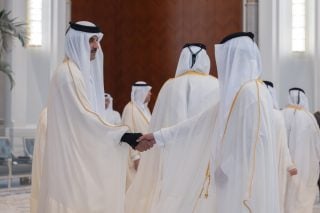
Helberg also met with top officials in Doha, including Qatar’s Prime Minister and Minister of Foreign Affairs Sheikh Mohammed bin Abdulrahman Al Thani and Qatar’s Minister of State for Foreign Trade Affairs Ahmed Mohammed Al Sayed.