Taliban government spokesman Zabihullah Mujahid confirmed on Sunday that clashes between Afghanistan and Pakistan have halted following mediation by Qatar and Saudi Arabia, after escalating violence along the border.
Fierce clashes have broken out at several points along the Pakistan–Afghanistan border overnight, leaving dozens dead and signalling a sharp deterioration in relations between Islamabad and Kabul.
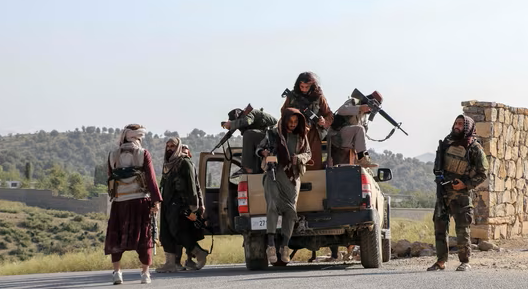
The clashes began on Saturday night after the Taliban accused Pakistan of conducting air strikes inside Afghan territory. In response, Afghan forces launched what they described as “retaliatory operations,” claiming to have killed 58 Pakistani soldiers.
Pakistan, meanwhile, reported that 23 of its soldiers were “martyred” and claimed to have killed over 200 Taliban fighters.
Afghanistan’s Defence Ministry stated that its operations were in response to “the repeated violations of Afghanistan’s sovereignty by the Pakistani military.”
It added, “If the Pakistani side violates Afghanistan’s sovereignty again, our armed forces are prepared to defend the country’s borders and will respond decisively.”
Pakistan has not confirmed carrying out the air strikes, but called on Kabul “to stop harbouring the Pakistani Taliban (TTP) on its soil.”
The conflict marks one of the deadliest border confrontations in recent years. Afghan forces claimed to have captured 25 Pakistani army posts, while Pakistan reported seizing 19 Afghan positions in retaliation.
In one of Pakistan’s first official statements on the border clashes, Interior Minister Mohsin Naqvi praised the security forces for their “prompt” response.
“The firing by Afghan forces on civilian population is a blatant violation of international laws. Pakistan’s brave forces have proven by giving a swift and effective response that no provocation will be tolerated,” Naqvi said in a statement posted by his ministry on X.
“Pakistan’s forces are vigilant and are responding to Afghanistan with stone for every brick. […] The people of Pakistan stand like an iron wall alongside the brave armed forces,” he added.
Meanwhile, the Taliban maintained that their operations were retaliatory and within Afghanistan’s right to defend its territory.
Regional powers have stepped in to help prevent further escalation. Iranian Foreign Minister Abbas Araghchi urged both countries “to exercise restraint,” noting that “stability between the two countries contributes to regional stability.”
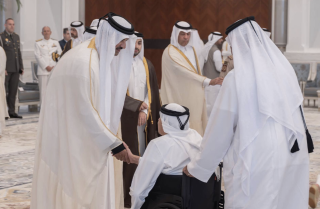
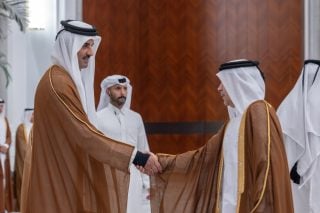
Qatar urged the nations “to prioritise dialogue and diplomacy, restraint, and to work toward containing differences in a manner that helps reduce tension and avoid escalation, in order to achieve regional security and stability.”
Saudi Arabia similarly called for “self-restraint, avoiding escalation, and embracing dialogue and wisdom, which will contribute to reducing tension and maintaining the security and stability of the region.”
Taliban Foreign Minister Amir Khan Muttaqi reaffirmed Afghanistan’s commitment to peace, stating, “Our doors are open for talks. We brought peace to Afghanistan and strive for peace throughout the entire region.” He also warned that if dialogue fails, Afghanistan has other options to protect its borders.
Despite these regional appeals for calm, tensions remain high. The border crossings at Torkham and Chaman remain closed, disrupting trade and movement between the two countries. Islamabad has reiterated its right to defend itself “against terrorism planned from Afghan soil.”