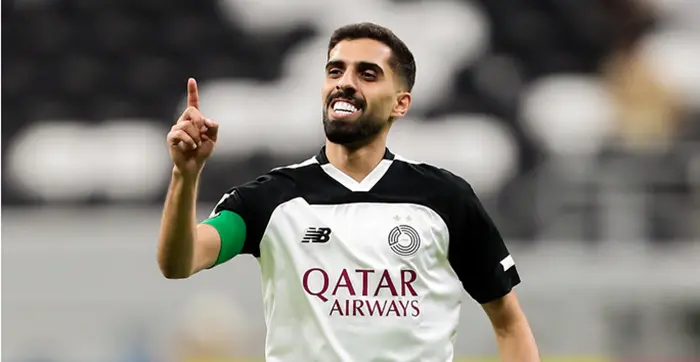
From academy hopeful to national captain, Hassan Al-Haydos has built a career not on flash or fame, but on a quiet, enduring presence. His extension serves as latest chapter in an incredible tale.
Bar an unexpected turn of events, Hassan Al-Haydos will now finish his career in the only club he has ever known.
Al Sadd’s announcement on Thursday, confirming that their longest-serving player was staying put, came in response to a fan’s query. The club posted a clip of Al-Haydos addressing his contract situation at the famed Al Majlis show.
“It does not have an end date,” Al-Haydos says in the clip, when asked by Khalid Jassim about the contract, then set to expire in 2025, at least on paper.
In a sport and a country increasingly defined by movement and constant forward motion, the relatively quiet confirmation felt familiar. It embodied what the Al Sadd captain’s career had come to be so far: not the flashiest, but undoubtedly the most enduring.
A quarter of a century has passed since Al-Haydos joined the club’s youth team as a trembling eight-year-old, long before Aspire Academy introduced a new conveyor belt for talent. The moment Qatar won the bid to host the FIFA World Cup, in a cold night in Zurich, was still three years away when he broke into the senior team.
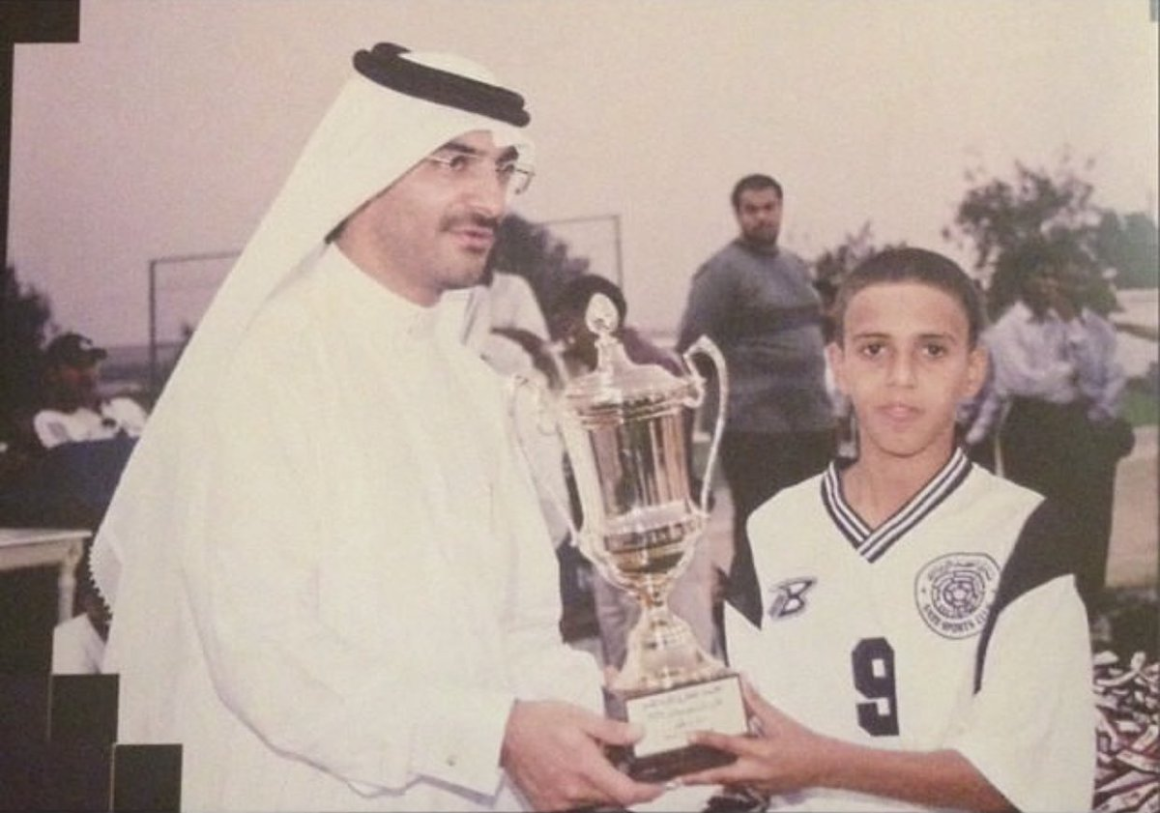
Ever since, Al-Haydos has been a constant and now stands at the top in terms of the most appearances made. He is, in many ways, the last emblem of a different era: one shaped by local scouting, club-run academies, and the slower, quieter path to the top.
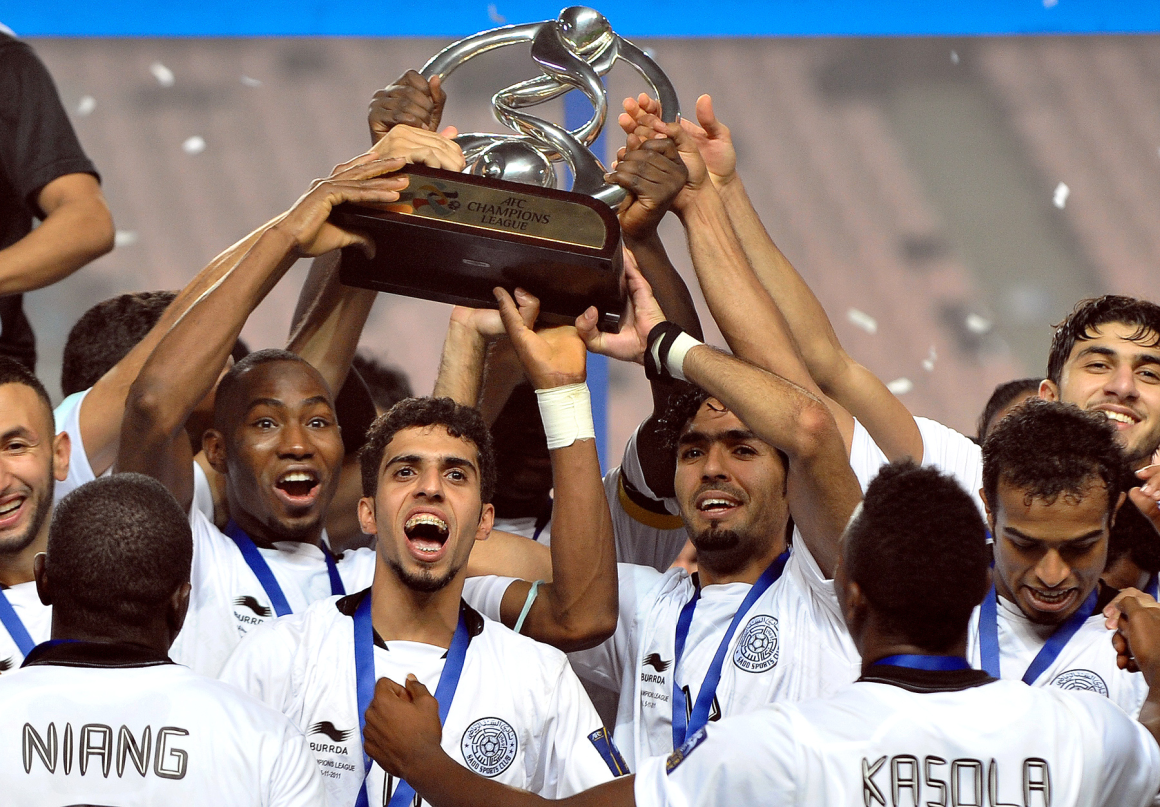
Over the years, while newer faces emerged, Al-Haydos remained ever-present, the type of player whose name didn’t need announcing when the line-up dropped. He was there when the side lifted the 2011 AFC Champions League title in a dramatic finale in South Korea’s Jeonju World Cup Stadium, doing his part by scoring the second penalty following a 2-2 stalemate. Al Sadd’s third-place finish at the FIFA Club World Cup in the same year had a place for him too.
Stars like Raul, Xavi and Santi Cazorla came and went afterwards, Al-Haydos remained. From Khalfan Ibrahim to Akram Afif, the versatile attacker became a constant not through headlines, but through presence. He was the connective tissue between youth and experience, between imported excellence and local roots.
The secret lies in his versatility, too. Starting as a right winger with quick feet and intelligent movement, he gradually evolved into a playmaker or whatever his side required in the front guard. From playing behind striker Baghdad Bounedjah to swapping flanks with Akram Afif when prompted by managers over the years, he did it all.
Similar was the story on the national team set-up. To measure his success in just two Asian Cup wins, which he captained, would still fall short. He made things tick between Almoez Ali and the flamboyant Akram Afif in Felix Sanchez’s well-drilled side in maiden triumph.
He was equally as instrumental, more as a figure than a player, in the side that defended the continental crown despite a last-minute switch-up. Although largely starting out from the bench, his influence has been immense in Al Sadd ever since, as they came clutch to lift the league in 2024/25.
In a football world built to move, Hassan Al-Haydos has stayed still. For at least one more season, the “Ooh Ya Haydos” chants will continue to ring at the Jassim bin Hamad Stadium.