The strategy aims to tackle desertification by achieving land degradation neutrality through sustainable resource management and strengthened environmental governance.
The Ministry of Environment and Climate Change (MECC) launched on Sunday the National Strategy to Combat Desertification 2025–2030, a framework designed to safeguard Qatar’s natural resources, enhance sustainability, and address the growing risks of land degradation and drought.
According to Qatar News Agency, the strategy is the first of its kind in the country and is aligned with Qatar National Vision 2030 and the Third National Development Strategy 2024–2030.
“The Strategy aims to establish a comprehensive national framework to combat desertification and achieve land degradation neutrality by improving the efficiency of natural resource management and strengthening supportive legislation and policies, thereby contributing to the protection of ecosystems and the achievement of sustainable development,” as reported by QNA.
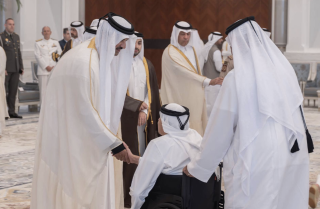
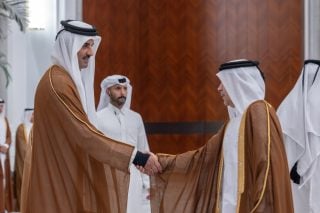
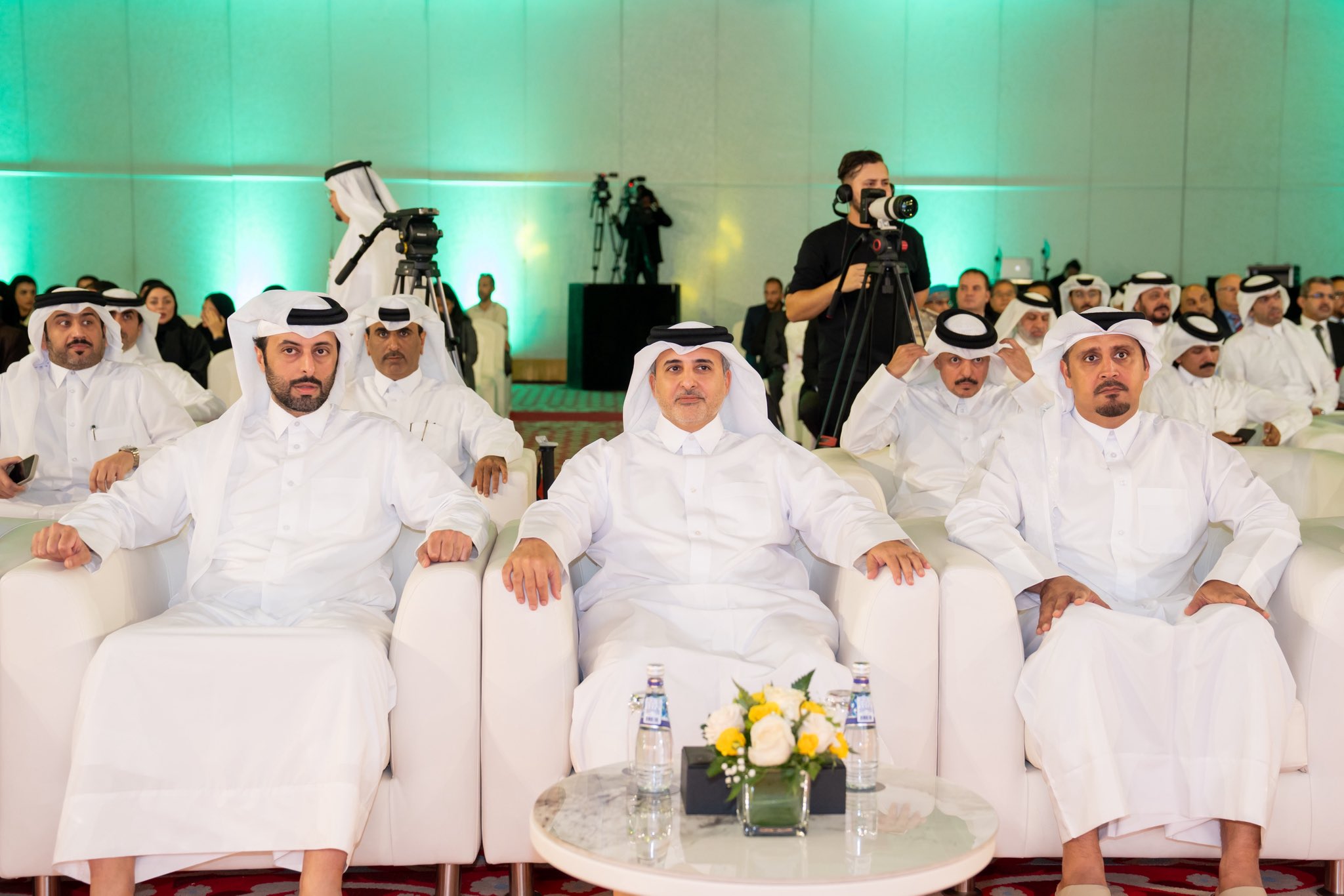
The launch ceremony was attended by the Minister of Environment and Climate Change, Abdullah bin Abdulaziz Al Subaie, along with other senior officials, including the Minister of Municipality, Abdullah bin Hamad Al Attiyah, MECC Undersecretary Abdulaziz bin Ahmed Al Mahmoud, and the President of the Public Works Authority (Ashghal), Mohammed bin Abdulaziz Al Meer, as well as representatives from academia, research institutions, and national organisations.
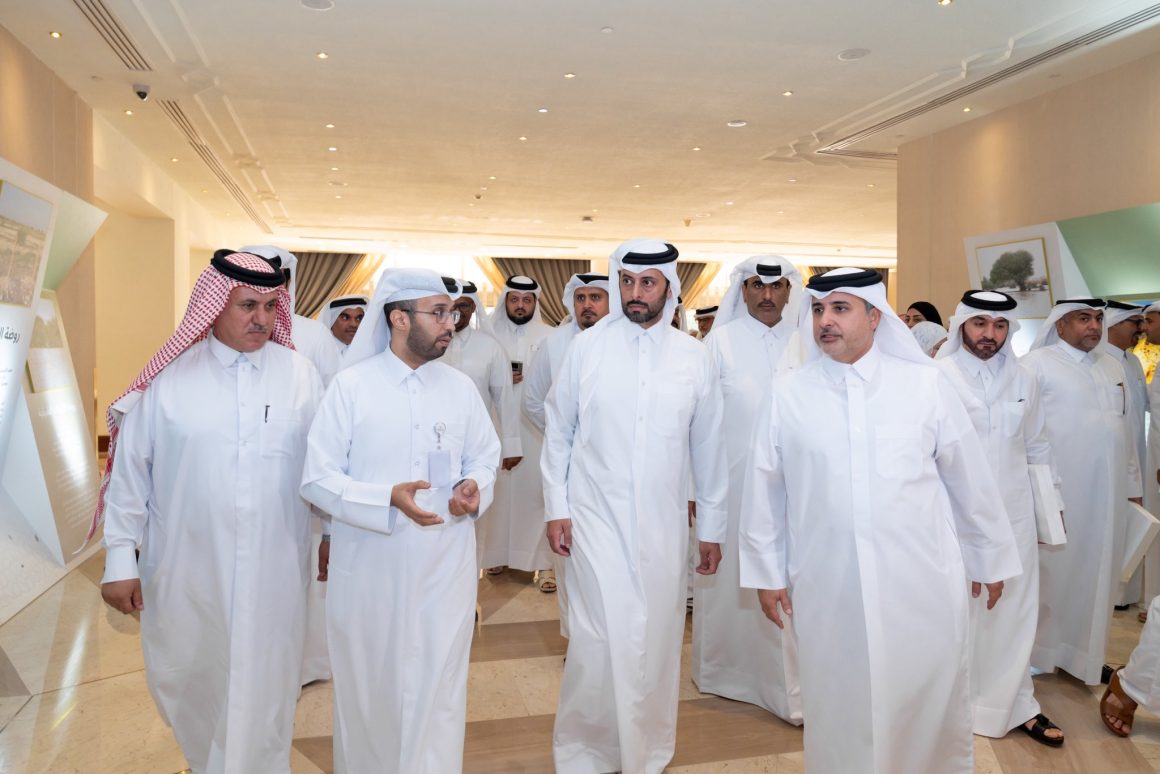
In his openning speech, Minister of Environment and Climate Change Al Subaie emphasised that the initiative is grounded in advanced scientific and technical approaches, in line with the United Nations Convention to Combat Desertification (UNCCD) and the UN Sustainable Development Goals. He highlighted the importance of coordinated national and international action to address the depletion of resources and protect biodiversity.
The strategy sets out six key priorities, including ecosystem protection, sustainable use of resources, restoration of affected environments, strengthening vegetation cover, advancing research and innovation, and enhancing community participation.
Practical measures will include rehabilitating terrestrial environments, cultivating native plant species, expanding nurseries, stabilising sand dunes, and applying modern technologies such as artificial intelligence in environmental monitoring and smart agriculture.

Assistant Undersecretary for Protection and Natural Reserves Affairs, Ibrahim Abdul Latif Al Muslimani, explained that the strategy addresses national environmental challenges such as fragile vegetation cover, resource scarcity, and sand encroachment. He also underlined the need to raise environmental awareness and strengthen institutional capacity in sustainable land management.
Adel Mohammed Al Yafei, Head of the Plant Wildlife Section at the Wildlife Development Department, said the strategy marks a milestone in the ministry’s work, noting its role in promoting applied research, smart agriculture, and the rehabilitation of ecosystems.
The Ministry has worked closely with stakeholders from the public and private sectors, civil society, and international partners to prepare the strategy. Its implementation will be overseen through an integrated framework supported by regular monitoring and evaluation, alongside the provision of technical, financial, and human resources.