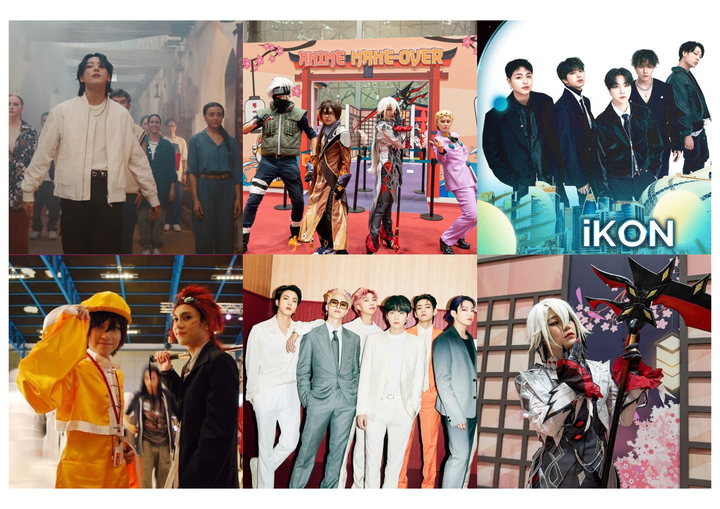
From BTS to anime classics, young Qataris are embracing global pop culture while reinterpreting K-pop and trends in ways that reflect local traditions.
In Qatar, the fascination with K-pop and anime has grown into something deeper: a cultural dialogue where global icons blend with local values, shaping new forms of creativity and identity.
When BTS’ Jungkook performed Dreamers at the FIFA World Cup Qatar 2022 opening ceremony, it wasn’t just a global music moment — it was a symbol of how international culture and Qatari identity can meet.
The performance at Al Bayt Stadium, where Jungkook shared the stage with renowned Qatari singer Fahad Al Kubaisi, resonated across borders. Within hours, Dreamers topped the iTunes charts in over 100 countries, including Qatar, and their official FIFA music video has since surpassed 400 million views.
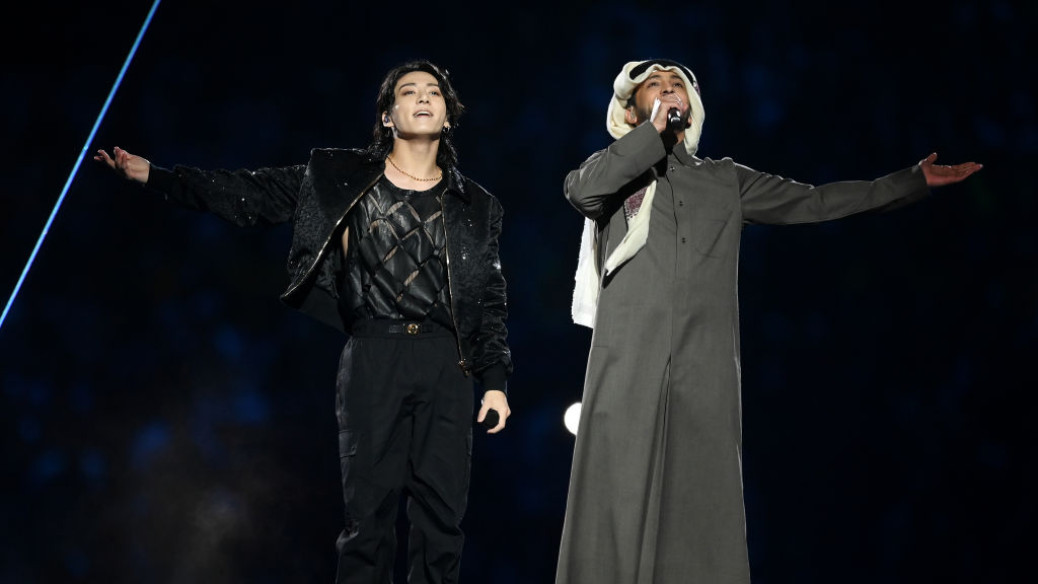
“Dreamers surpassed 500 million views worldwide. It shows how these cultural intersections don’t just resonate locally, but also connect Qatar to a global audience,” Abdulla Al-Mosallam, the founder of Geekdom and Creative Leader in Culture and Film at Doha Film Institute, told Doha News.
This global connection is not new to Qatar. Japanese anime became a household favourite decades ago through Arabic-dubbed TV shows like Captain Majid and Grendizer. At the same time, K-pop’s arrival in the early 2000s was fuelled by Korean dramas and, later, social media. These influences have grown from personal interests into large, organised communities.
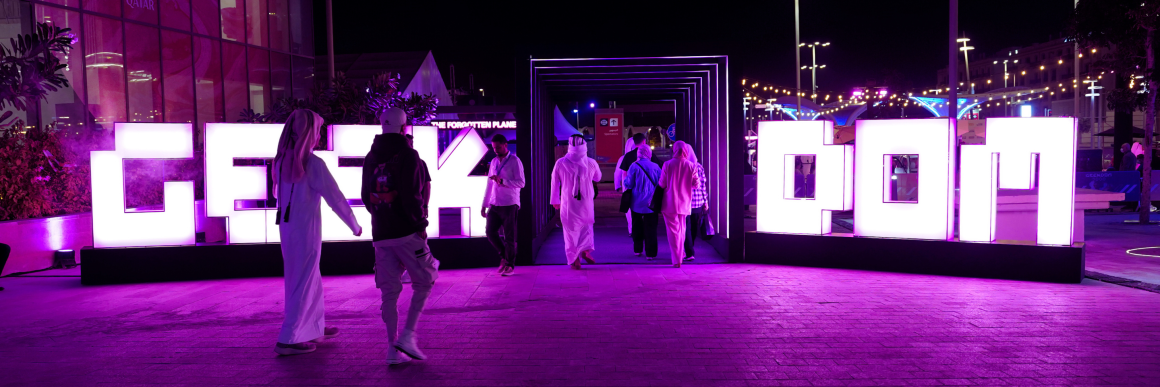
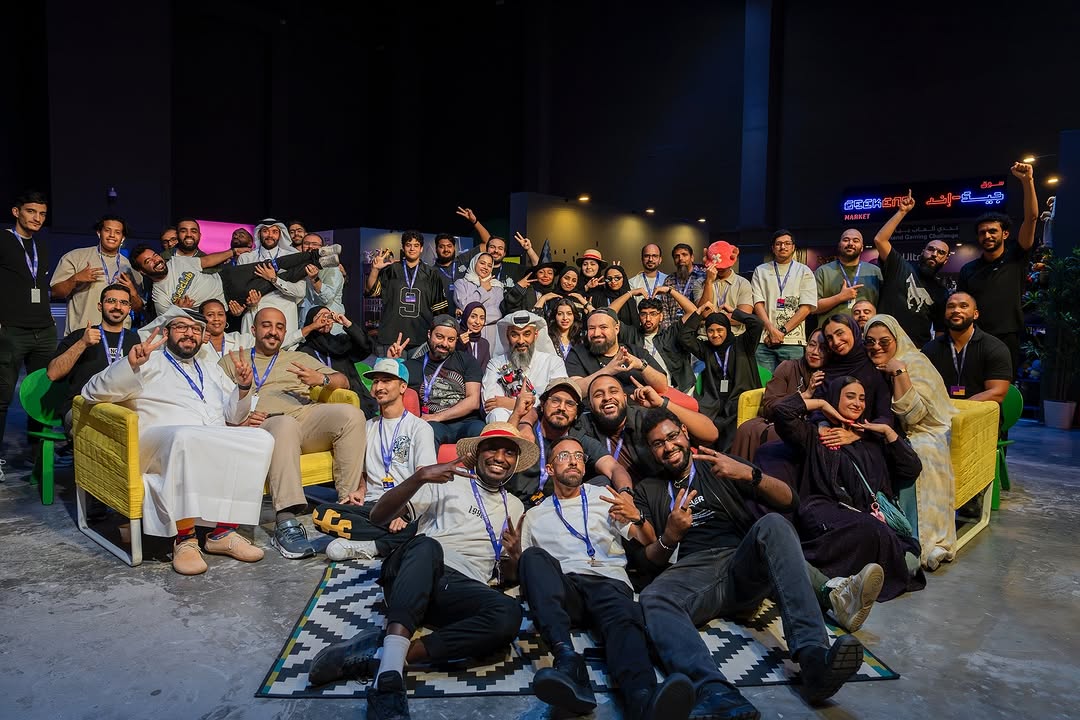
“When I founded Geekdom back in 2013, it was born out of an appreciation for anime culture, and over time, it helped bring those scattered interests together into larger, thriving communities here in Qatar,” Al-Mosallam added.
“There’s been a clear surge in interest around K-pop and anime. What was once a niche passion has become completely mainstream.”
Digital platforms have accelerated this trend. Streaming services and online forums connect young fans to global conversations while also enabling them to create and share their own content.
“Young people in Qatar are increasingly immersed in global media through streaming platforms and social media,” said Dr Miriam Berg, an Associate Professor of Journalism and Strategic Communication at Northwestern Qatar.
“K-pop and anime stand out because they combine polished production, inventive visuals, emotional storytelling, and active fan communities. For many, these genres offer more than entertainment as they provide a way to feel connected to global youth culture,” Dr Berg explained.
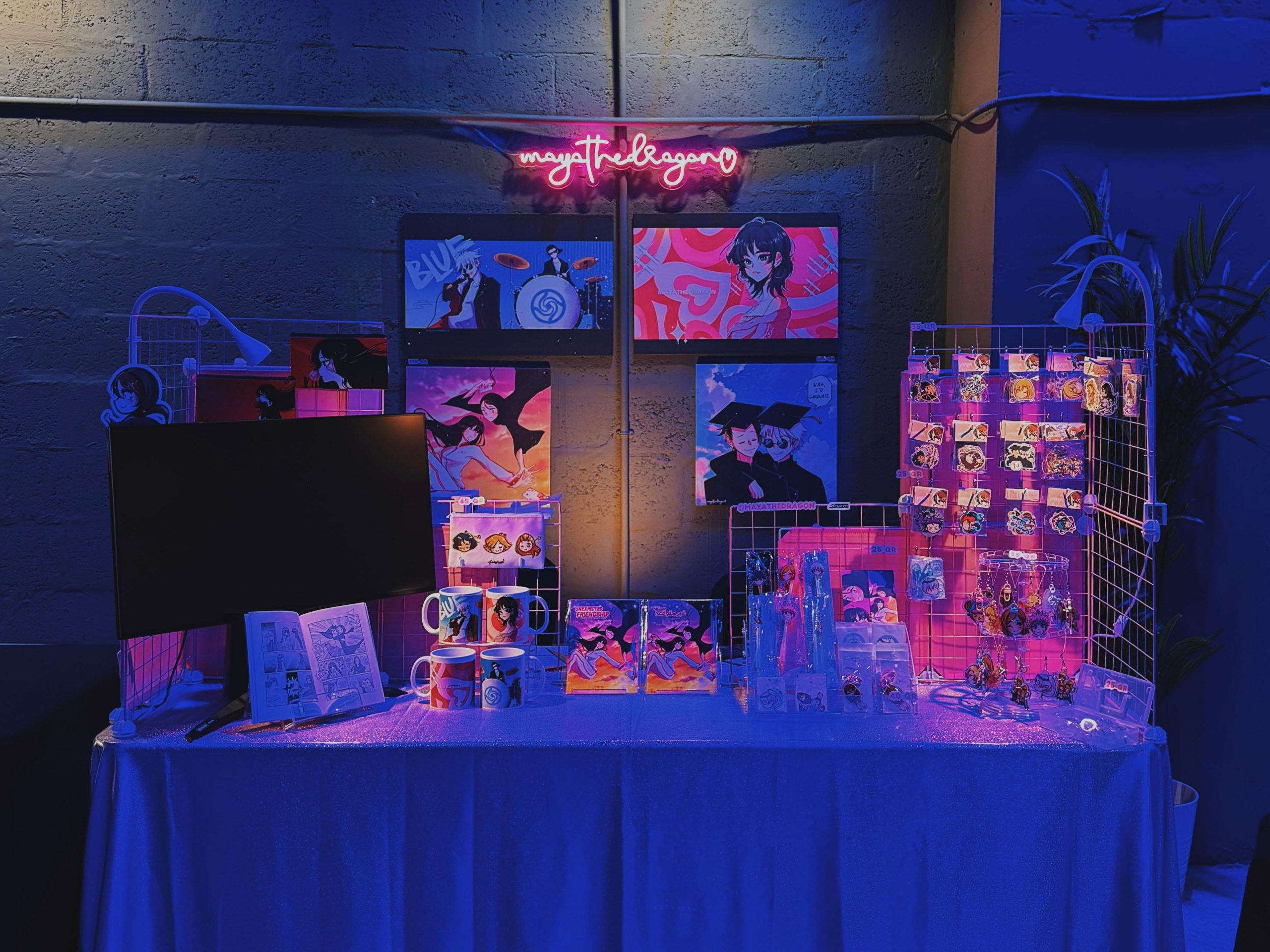
Yet, this engagement remains distinctively local. Geekdom now hosts events celebrating Japanese and Korean culture alongside Qatari creativity.
Qatari artists, like award-winning digital creator Noora Al Subaey, are reinterpreting these styles in ways that reflect their heritage.
“Anime fills a gap in creative expression. It offers young people stories, visuals, and themes that resonate deeply with them, especially when local entertainment options can feel limited or repetitive,” Al Subaey told Doha News.
“It provides a fresh way for people to connect with fantasy, adventure, and even emotional storytelling that might not always be found in mainstream local media,” she continued.
“Anime definitely connects young Qataris to a global community. We’re not just consuming Japanese media, but also participating in a fan culture that is shared worldwide. That encourages cultural exchange and broadens perspectives.”
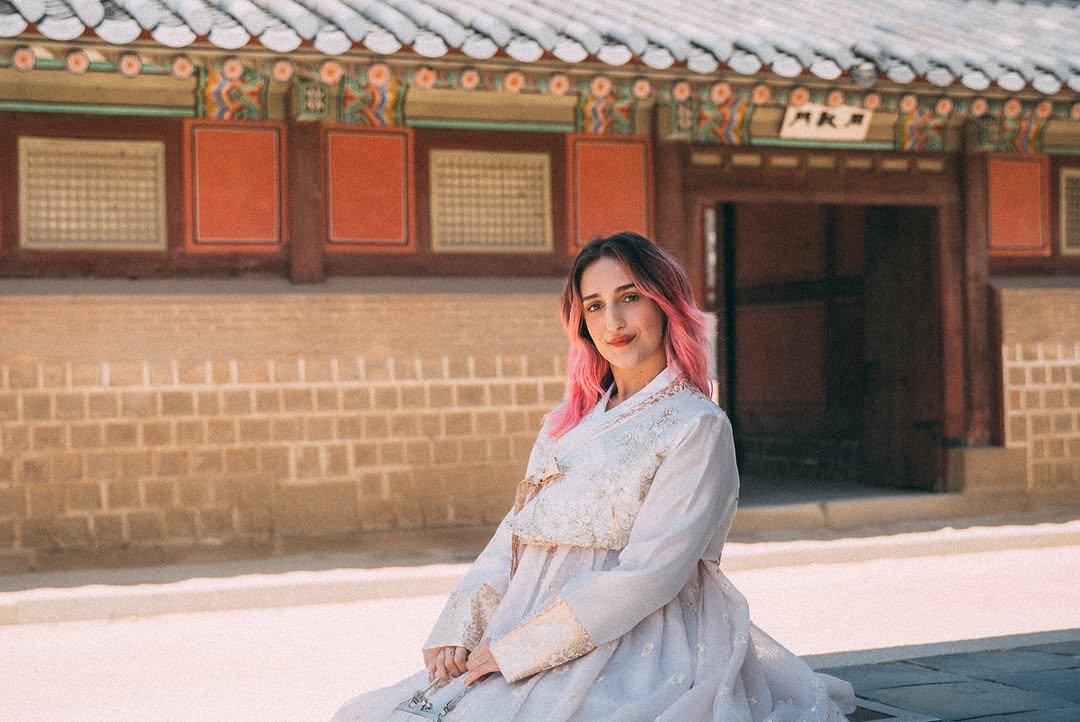
Others see this adaptation as essential to maintaining cultural integrity.
“You will see cosplayers who design modest versions of characters, or artists who reinterpret anime aesthetics through local cultural symbols,” Al Subaey noted.
“That negotiation creates something unique: a ‘Qatari anime fandom’ that isn’t just a copy-paste of what happens in Japan or the West, but a localised version that respects our cultural values while still giving space for creativity.”
Hussam Eddin Yousif of Nakama, Qatar’s first Japanese cultural events community, agrees.
“Anime is art, and giving all artists a chance to shine is just fair. It opens windows to reach new and more audiences,” he said.
“Everyone should be smart about their choices. For example, you can cosplay characters you love, but keep in mind that the clothes should fit the culture. I think everyone should have a sense of responsibility in a way that does not harm the community image,” Yousif told Doha News.
Palestinian content creator Ameera AlSaid, Qatar’s first Korean culture influencer, said she has seen local fandoms adapt global trends to meet community expectations.
“I have seen fandoms adapt to fit our local context. For example, modest versions of cosplay and segregated sections for males and females at K-pop concerts. But this culture blending brings an opportunity for everyone living here to engage in cultural dialogue and learn from other cultures and arts,” she said.
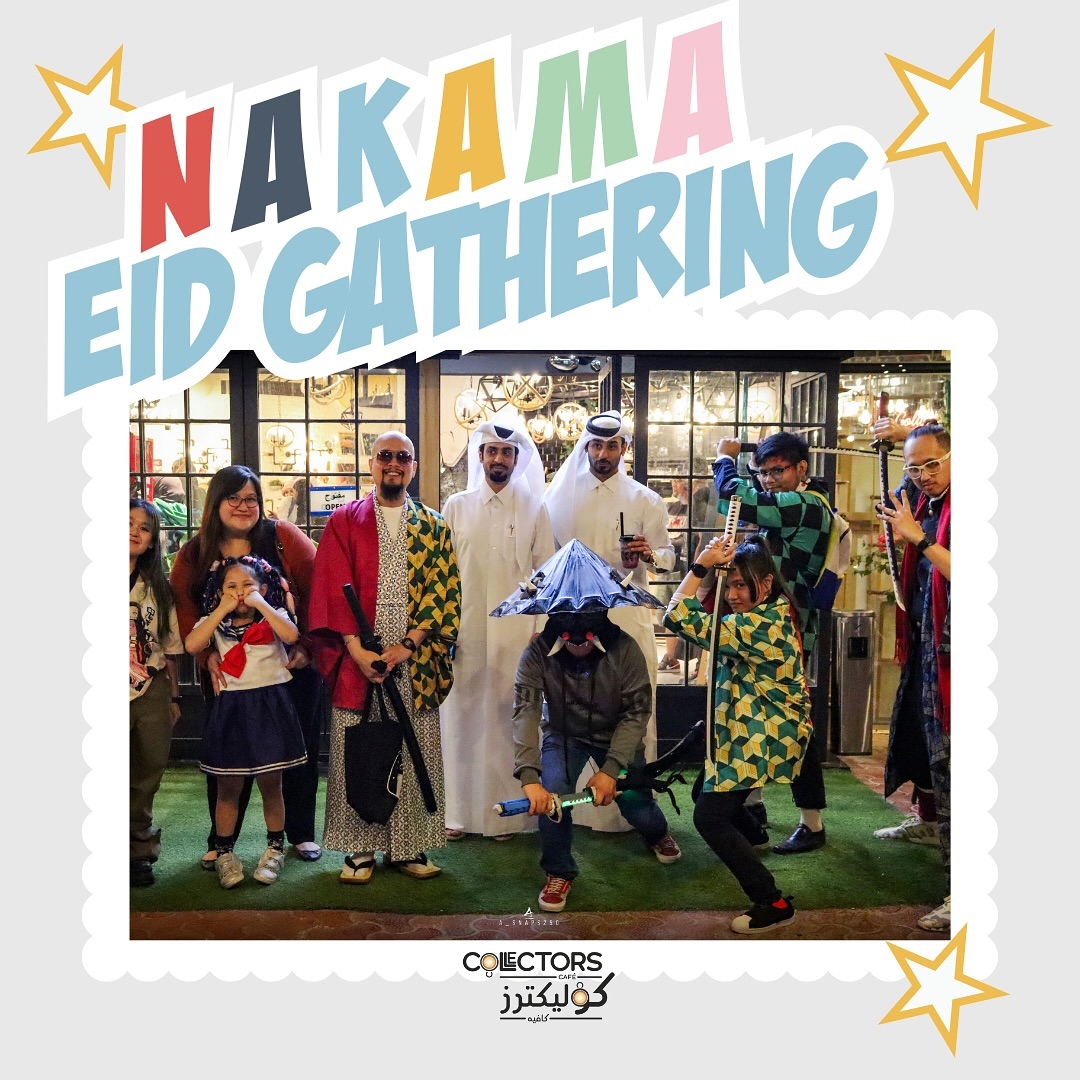
In Qatar, K-pop and anime are not just passing fascinations but part of a shared global enthusiasm that has found a home within the country’s own cultural framework. Local fans have demonstrated that global media can be effectively integrated while still respecting community values.
Dr Berg sees this as a reflection of how cultures around the world are connecting through shared interests: “Rather than seeing these fandoms as something that changes or shapes Qatari identity, it is more accurate to say that they provide additional cultural resources that young people draw on.”
From fan art to concerts, cosplay to creative reinterpretations, Qatar’s communities are contributing to a worldwide exchange of ideas but on their own terms.
As Al-Mosallam put it: “While Qatar is conservative, that’s exactly what makes these communities so fascinating here.
“They’re expressive, diverse, and they push people to think about culture in new ways. Rather than creating conflict, I’ve seen them spark dialogue — young fans from different backgrounds finding creative ways to express themselves while still respecting the local context.”