The BilAraby Summit is a two-day cultural and intellectual gathering at Education City Student Centre that brings together Arab creatives, thinkers, and innovators to celebrate and promote the Arabic language as a tool for expression, innovation, and identity.
The BilAraby Summit officially kicked off today at Education City Student Centre in Doha, drawing over 500 speakers, experts, and creatives from across the Arab world and beyond.
The summit is a landmark cultural and intellectual gathering launched by Qatar Foundation to celebrate and empower the Arabic language as a vehicle for innovation, creativity, and social change.
It aims “to encourage Arabs to speak and think in their language, ask critical questions using Arabic, and use it as a tool to reframe challenges facing the Arab world and propose locally developed solutions rather than imported ones.”
The BilAraby Summit is dedicated to fostering inspiring ideas among Arabic-speaking communities and amplifying their collective voice on a global scale.

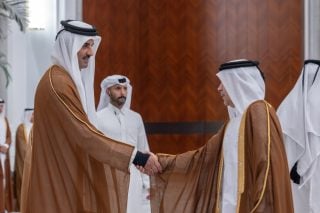
The first day of the summit, graced by the presence of Sheikha Hind bint Hamad Al Thani, Chief Executive Officer of Qatar Foundation, highlighted the importance of fostering creativity, innovation, and critical thinking in the Arabic language
Through more than 20 live lectures and 15 hands-on workshops, participants explored key topics including artificial intelligence, sustainability, medicine, media, technology, language, and arts.
The event featured a vibrant mix of sessions, performances, and exhibitions, all aimed at enriching Arabic content and cultivating a deeper connection to Arab-Islamic identity.
As Ahmad Fakhouri, a Syrian presenter at Al Jazeera Arabic, noted: “When we speak in our language, Arabic, we revive our shared memory, awaken our collective consciousness as Arabs, and affirm our identity and common destiny as a people.”

Organised under the theme “Ideas Have a Voice and Echo,” the summit also highlighted how Arabic can be a language of progress in diverse fields.
Sessions hosted by institutions such as Hamad Bin Khalifa University, Al Jazeera 360, QatarDebate, and the Syrian Youth Assembly demonstrated how innovation and identity intersect, particularly through the use of new technologies to safeguard Arabic digital content and empower youth voices.
A standout segment was presented by QatarDebate, showcasing forgotten Arabic vocabulary and engaging youth in a debate about the impact of social media on language evolution.
Cultural expression was also a key component, with live performances from renowned Tunisian artist Lotfi Bouchnak and Egyptian maestro Mustafa Said that paid tribute to the Arab musical heritage.

At the same time, emerging platforms like Sowt and Diwan gave space to experimental audio storytelling and creative Arabic podcasts, revealing a growing appetite for diverse and locally rooted narratives.
The summit also underscored BilAraby’s role as more than a one-off event. It is the culmination of a year-round initiative that organises regional events, digital programmes, and learning opportunities to connect Arabic-speaking communities and support the development of a knowledge-based, collaborative society.
By integrating the initiative more deeply into Qatar Foundation’s broader mission, the summit affirmed its commitment to creating inclusive spaces where Arabic is not only preserved but allowed to evolve through innovation and global dialogue.
With its rich programme and dynamic participation, the BilAraby Summit demonstrated that the Arabic language, far from being confined to tradition, can be a living, adaptive medium for progress.
It created a space where young creators, academics, and professionals could shape the future of Arabic content and contribute to a shared cultural revival grounded in both heritage and identity.