As temperatures soar and the nation’s streets empty for summer holidays, thousands of stray cats are left behind, hungry, dehydrated, and invisible.
As Qatar braces for another summer of blistering heat, with temperatures regularly exceeding 45°C, up to three million stray cats face a crisis to survive.
Outnumbering humans nearly three-to-one, these animals grapple with dehydration, starvation, and systemic neglect exacerbated by no legal protection, transient expatriate abandonment, and a lack of coordinated welfare programs.
Qatar’s stray cat crisis traces back to the 1960s, when cats were introduced to combat a rodent infestation. However, without population control measures, their numbers exploded “in an uncontrollable manner,” according to a Hamad bin Khalifa University study in 2016.
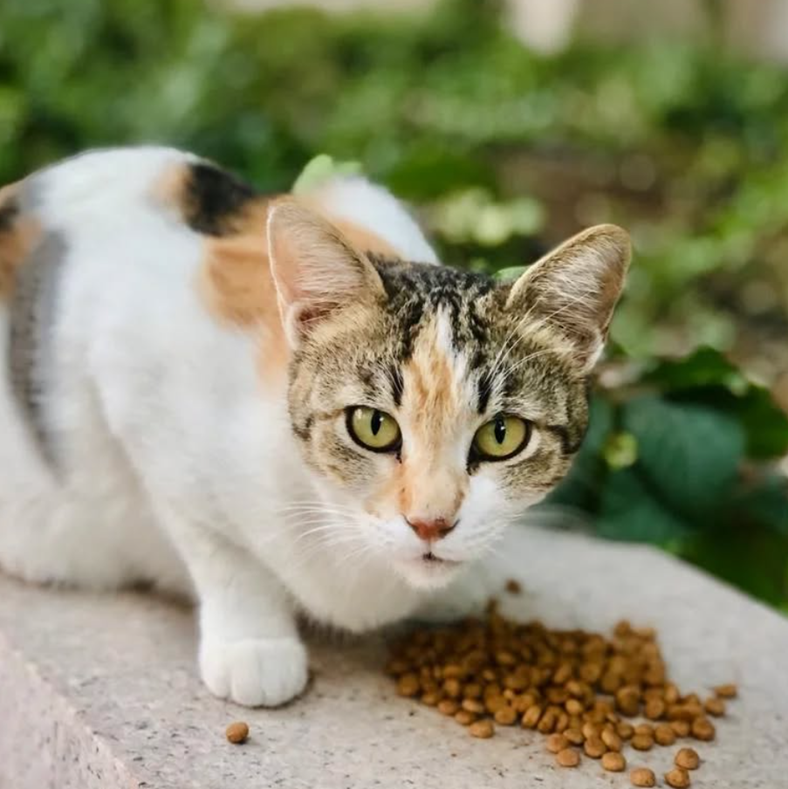
Pets have no protection
Qatar’s Penal Code (Law No. 11 of 2004) criminalizes animal cruelty, prescribing penalties ranging from fines to imprisonment for acts such as beating or killing domestic animals.
But there are no specific penalties for abandoning animals, a practice that contributes significantly to the growing number of strays, especially during the summer months when residents often travel or relocate – and around 88.4% of Qatar’s residents are expats.
Today, the absence of a nationwide Trap-Neuter-Return (TNR) programs and pet registration systems perpetuates unchecked breeding.

Lisa Parkin, a committee member of the Qatar Animal Welfare Society (QAWS), told Doha News over email that there’s also no system for registering domestic pets. This, she said, “leads to many being abandoned, no legal consequences for pet abandonment, and insufficient public education on the importance and benefits of spaying and neutering family animals.”
“People view pets as disposable,” Parkin wrote. “They either don’t plan to take them, can’t afford to take them, or can’t find alternative arrangements for an extended period. They seem to believe that a house cat will just be able to ‘survive,’ when this is sadly not the case.”
Dehydration, starvation, and exposure

Stray cats endure lethal conditions during Qatar’s summers, with scarce shade, contaminated water, and food scarcity.
Parkin told Doha News that cats can cope better than most animals with the heat, but the lack of shade, water, food, and safe areas from traffic and abuse endanger them.
“The only measures to help are provided by community groups for the groups of cats they care for. The vast majority of cats have no one looking after them,” Parkin said.
This systemic neglect has spurred grassroots initiatives like the Doha Institute for Graduate Studies’ Cat Club, where a small group of students has stepped in to fill the void.

“When students leave for summer, the cats are left without food or water,” Safaa Bellahsaouia, a graduate and co-founder of the club told Doha News. “We organized monthly donations, 20 or 50 riyals, to fund vet visits and daily meals. Even professors contributed, but it was never enough.”
Despite their dedication, the club is also “seasonal.” When students graduate or travel, the crisis returns. And The Institute provided no support like shaded areas or water bowls, she explained.
“We’re just students,” Bellahsaouia said. “Imagine what could be done if those in power cared as much as we do.”
Parkin from QAWS echoed the urgency of institutional involvement.
“Community efforts are limited by the financial constraints of paying for spay/neuter surgeries, vaccines and other medical care. Without well-funded and coordinated projects the effectiveness is minimal,” Parkin said.
The plight of Qatar’s strays underscores a stark reality: compassion alone cannot overcome systemic gaps.