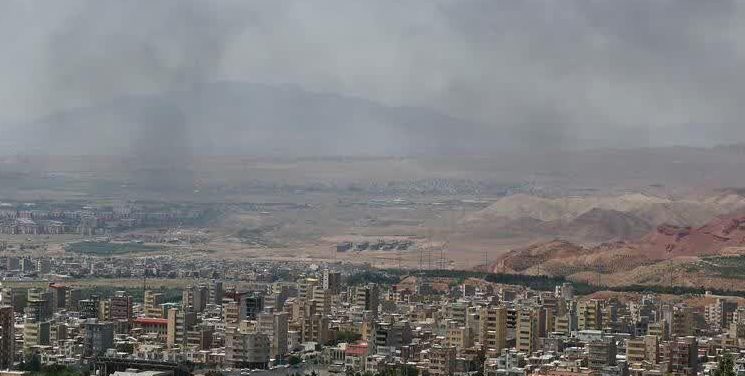
Israel’s attacks on Iran have killed at least 80 people and wounded 800 others, including 20 children, although the figure is expected to increase amid the continuous bombardment.
Markets across the Gulf tumbled on Sunday as tensions between Iran and Israel escalated, heightening concerns over regional stability even as calls for a ceasefire persist among international mediators.
Qatar’s stock market index reported a 3.20 percent drop by Sunday afternoon, according to figures by the Qatar Stock Exchange.

Qatar and Iran share the world’s largest natural gas field, South Pars, where an Israeli strike on Saturday targeted an offshore installation, igniting a major fire and heightening market anxieties. Despite the damage, Iran has only partially suspended production at the site.
Some of the Qatari entities impacted by the latest developments included the Qatar Gas Transport Nakilat, which was down by 4.34 percent, according to the Qatar Stock Exchange.
Shares of Qatar Electricity and Water Company declined by 1.56 percent, while Qatar National Bank recorded a sharper retreat, falling 4.18 percent.
Meanwhile, Saudi Arabia’s benchmark index fell by 1.01 percent, while Kuwait’s stock exchange posted a sharper decline of 3.93 percent.
The Kuwaiti entities that witnessed the greatest impact included Jazeera Airways, which was down at 18.39 percent, a natural reaction to the effect of the escalations on the aviation sector particularly in the region.
The Muscat Stock Exchange registered a 0.87 decrease whereas the Bahrain index dropped at 0.81 percent. The Abu Dhabi Securities Exchange closed at 1.3 percent on Friday whereas the Dubai Financial Market closed at 1.9 percent.
Iran-Israel escalations soar
Israel launched brutal attacks on Iran at dawn on Friday, jeopardising the Middle East’s stability while obstructing the indirect nuclear talks between Washington and Tehran.
The initial Israeli attack on Iran targeted strategic nuclear and military infrastructure, including its main nuclear enrichment facility in Natanz.
Israel’s first attack killed six Iranian nuclear scientists, including theoretical physicist, Mohammad Mehdi Tehranchi, and former head of the Atomic Energy Organization of Iran, Fereydoun Abbasi.
The attack was met with global condemnation, including by Qatar, which has been a central mediator between Hamas and Israel in an effort to reach a ceasefire in the Gaza Strip.
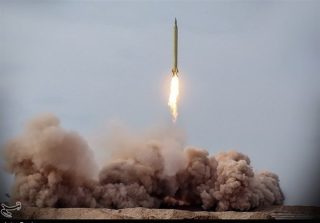
Iran launched retaliatory attacks that rocked Tel Aviv within hours, with Israeli Prime Minister Benjamin Netanyahu threatening to intensify attacks on Tehran.
“We will hit every site and every target of the Ayatollahs’ regime, and what they have felt so far is nothing compared with what they will be handed in the coming days,” he said in a video message on Saturday.
Israel’s attacks on Iran have killed at least 80 people and wounded 800 others, including 20 children, although the figure is expected to increase amid the continuous bombardment.
Israel has used its claims over Iran’s building of a nuclear weapon as the pre-text for its deadly attacks on Tehran. Iran is a signatory of the Non-Proliferation of Nuclear Weapons (NPT) whereas Israel is the only non-singatory of the treaty.
On Sunday, U.S. President Donald Trump in a social media post said that Iran and Israel “should make a deal, and will make a deal”.
“Iran and Israel should make a deal, and will make a deal, just like I got India and Pakistan to make, in that case by using TRADE with the United States to bring reason, cohesion, and sanity into the talks with two excellent leaders who were able to quickly make a decision and STOP!” Trump wrote in a social media post.