Despite ongoing ceasefire talks, Israel has repeatedly violated the truce, raising doubts about its genuine commitment to ending the war on the Gaza Strip.
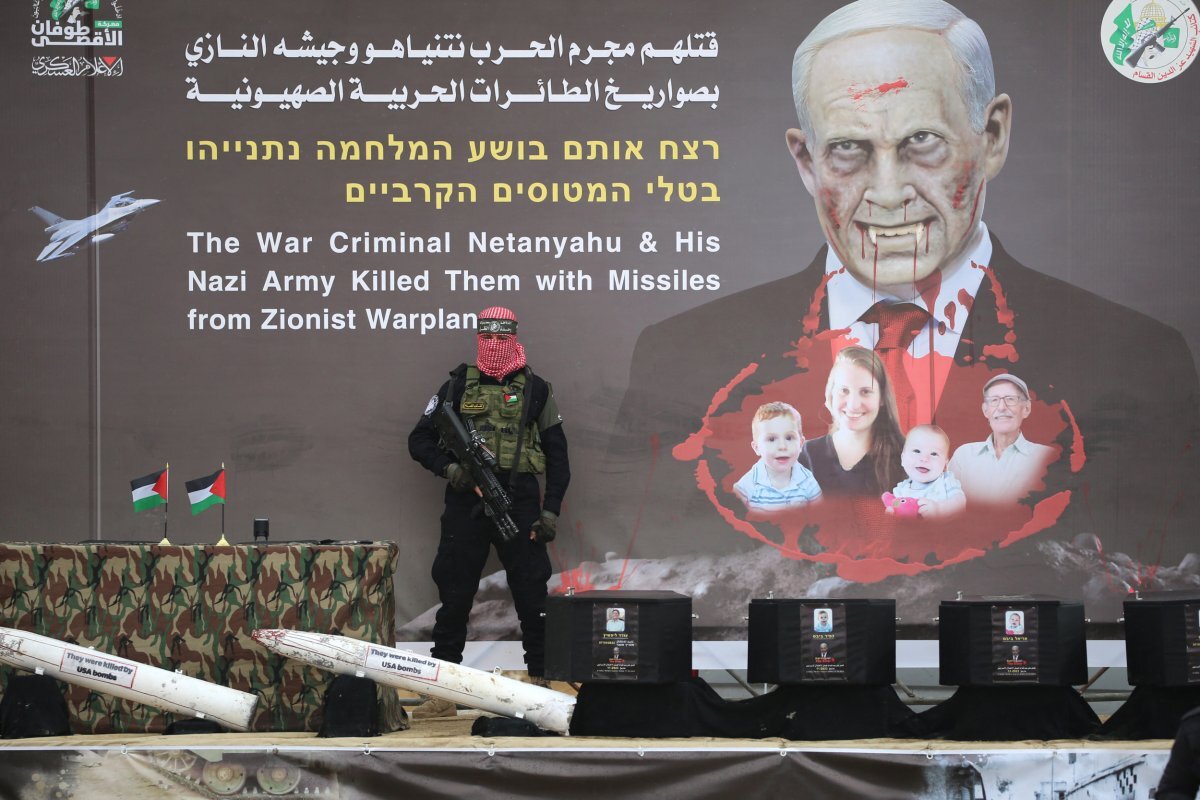
Hamas has handed over the bodies of four Israeli captives on Thursday, which the movement said were killed in Israeli air strikes on the Gaza Strip.
The bodies of Shiri Bibas, her two young sons Kfir and Ariel, along with the body of a fourth Israeli captive – Oded Lifshitz – were released in black coffins in the southern city of Khan Younis.
In a Telegram statement, Hamas said it has been keen on protecting the lives of these captives while treating them with humanity. Yarden Bibas, the father and husband, was released in the fourth captives-prisoners exchange a few weeks earlier.
According to Al Jazeera, the release of the deceased Israeli captives will be followed by the release of the remaining six living captives on Saturday, as confirmed by Khalil Al-Hayya, the leader of Hamas.
Al-Hayya stated on Wednesday that this decision is a “gesture of goodwill” aimed at accelerating the finalisation of the first phase of the ceasefire agreement between Hamas and Israel.
This move is also intended to pave the way for implementing the second phase, with the ultimate goal of ending the war.
In exchange, Israel is expected to release half of the Palestinian women and children detained by Israeli forces from the Gaza Strip since the war began. This number is believed to be about 500 Palestinians.
Second phase of the Gaza truce
Earlier this week, following U.S. pressure after Secretary of State Marco Rubio’s visit to Israel on Monday, Prime Minister Benjamin Netanyahu agreed to send the Israeli delegation to Cairo.
This move came after a delay of several weeks and marks the start of talks on the second phase of the Gaza truce, which was brokered by Qatar, Egypt and the U.S and initially announced on January 19.
The ongoing negotiations in Cairo aim to finalise the first phase of the agreement and advance to phase two, which is designed to end the war and terminate Israeli presence in the Gaza Strip.
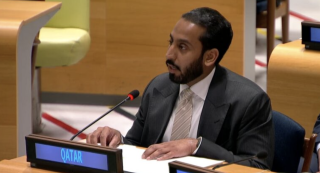
However, Qatar’s Foreign Ministry spokesperson, Dr. Majed Al-Ansari, clarified that official negotiations for the second phase have not yet started. He added that discussions on the matter are ongoing daily with all parties involved.
Since the ceasefire was announced last month, Israel has violated the truce 266 times and killing at least 132 people.
Netanyahu has continued to block the entry of mobile homes into the besieged enclave, a key condition of the agreement. This delay leaves hundreds of thousands of Palestinians without adequate shelter after their homes were destroyed in Israeli bombings.
Moreover, Israel’s far-right Finance Minister Bezalel Smotrich threatened to “open the gates of hell” and annex northern Gaza unless Hamas vacates the enclave, disarms, and releases all hostages.
Hamas dismissed the demand, calling it “unacceptable” and “ridiculous psychological warfare”.
‘Netanyahu’s intransigence’
Discussions on the phase two of the ceasefire aim to secure Israel’s full withdrawal from Gaza and the release of additional Palestinian prisoners. This phase is intended to mark the war’s conclusion, setting the stage for Phase Three, which focuses on Gaza’s reconstruction.
Given the current situation, the key question is: Does Netanyahu truly want to end the war in Gaza?
According to Mehran Kamrava, Professor of Government at Georgetown University in Qatar, the political will to move forward with phase two of the ceasefire is lacking, due to the ongoing violations.
‘Netanyahu’s precarious political predicament within his cabinet and the fact that some of his ministers have actively called for the ceasefire agreement’s abrogation is one,” Kamrava told Doha News.
“Another is [U.S President Donald] Trump’s posture towards the Palestinians and his open calls for the ethnic cleansing of Gaza, which only emboldens Netanyahu’s intransigence.”
Trump’s message could not be more clearer, as the U.S. sent Israel new MK-84 bombs this week.
Israel has also introduced a new government agency on Tuesday, to provide Palestinians with “extensive assistance” to “voluntarily” leave Gaza. It has also flown quadcopter drones over Gaza City broadcasting threats of a second and third Nakba – the 1948 war that led to the creation of Israel and the dispossession of hundreds of thousands of Palestinians from their homes.
Meanwhile, a planned Saudi Arabia-led meeting to discuss alternatives to Trump’s plan has been postponed until Friday.
The meeting will include leaders from the Gulf Cooperation Council, Egypt, and Jordan, and will discuss Arab alternatives to Trump’s plans without displacing Palestinians.
However, concerns about the fragile ceasefire persist, as many interpret recent developments as a signal from Netanyahu that he is willing to continue the conflict despite efforts to sustain the truce.