In its second edition this year, the Science Café series opens up conversations around autism care, exploring how genomics, AI, and personal experiences can come together to make a real difference, bringing science closer to the people it’s meant to serve.
As part of World Autism Month, Msheireb Museums and Sidra Medicine, entities of Qatar Foundation, hosted this year’s second edition of the Science Café Series at Bin Jelmood House.
Msheireb Museums is a dynamic community space, bridging global conversations with local engagement. By hosting critical dialogues between impactful leaders and academics and the community, it reinforces its mission to foster understanding, promote inclusivity, and inspire positive change.
Titled ‘Autism and Neurodiversity: From Breakthroughs to Real-Life Journeys’, Monday’s event coincided with the AutismTech Conference by Hamad Bin Khalifa University and brought together leading voices from the fields of neuroscience, genetics, paediatrics, psychiatry, assistive technology, and the autism community. Monday evening featured two panels, ‘The Power of Genomics in Diagnostics’ and ‘AI, Technology, and the Future of healthcare.’
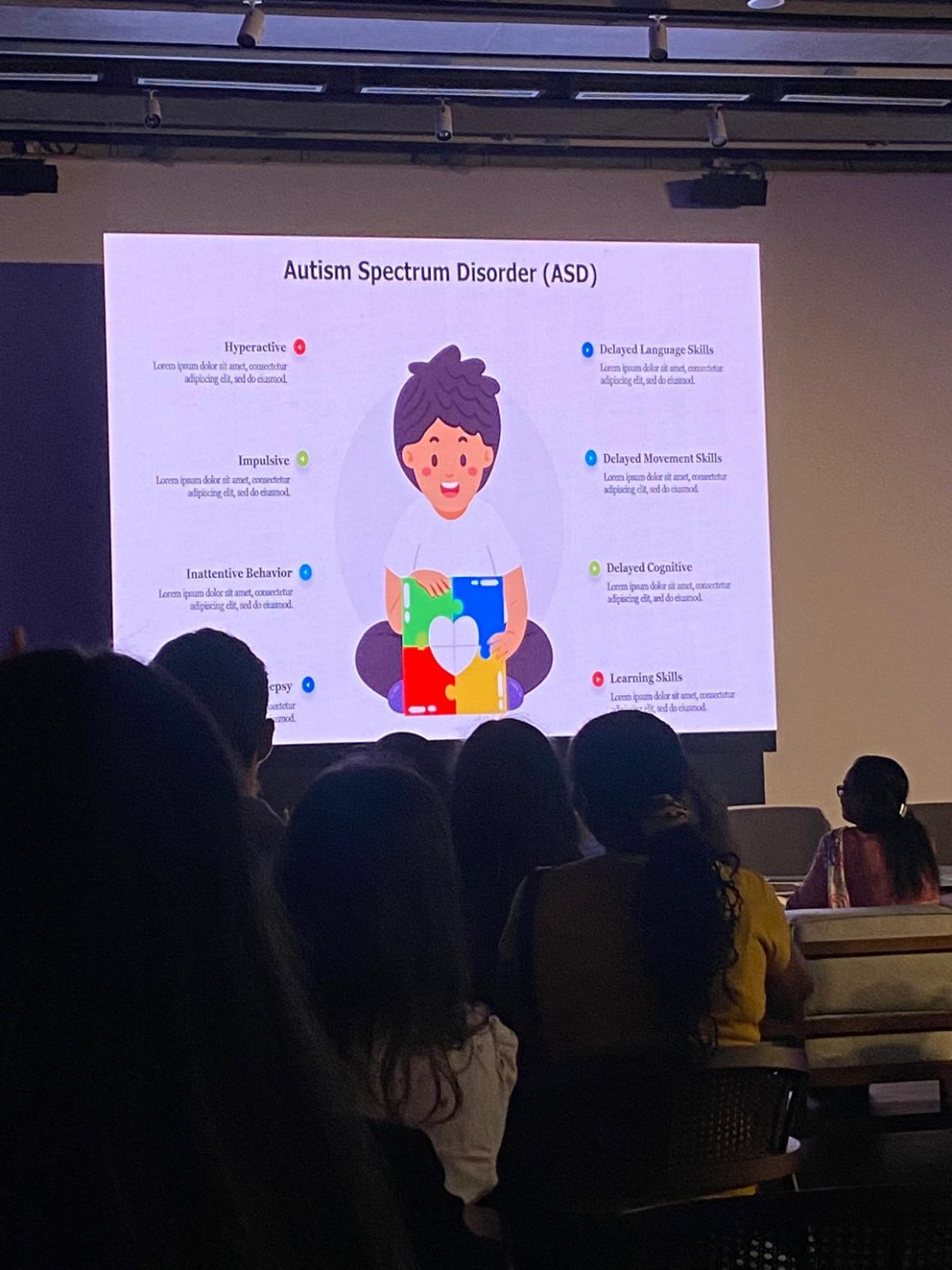
From observation to precision diagnosis with AI
“Earlier, diagnosis was based on experience, observation, asking parents questions, and having a multidisciplinary team assist,” said Dr Alia Satti, Attending Physician in Developmental Paediatrics at Sidra Medicine.
“AI is promising, offering tools and methods that will reduce the time in diagnosing and increase the number of children doctors will be able to assess.”
Dr Satti emphasised the importance of comparing emerging AI tools to existing clinical gold standards, noting that accurate diagnosis will help tailor more specific, behavioural therapy.
Dr Stephen Kanne, Director of the Center for Autism and the Developing Brain at Weill Cornell Medicine, explained the genetic complexity of autism, saying that genetics may indicate high risk, but it’s not definitive.
“Only twenty percent of autism cases are family-genetic, with 100 different genetic forms identified,” he said.
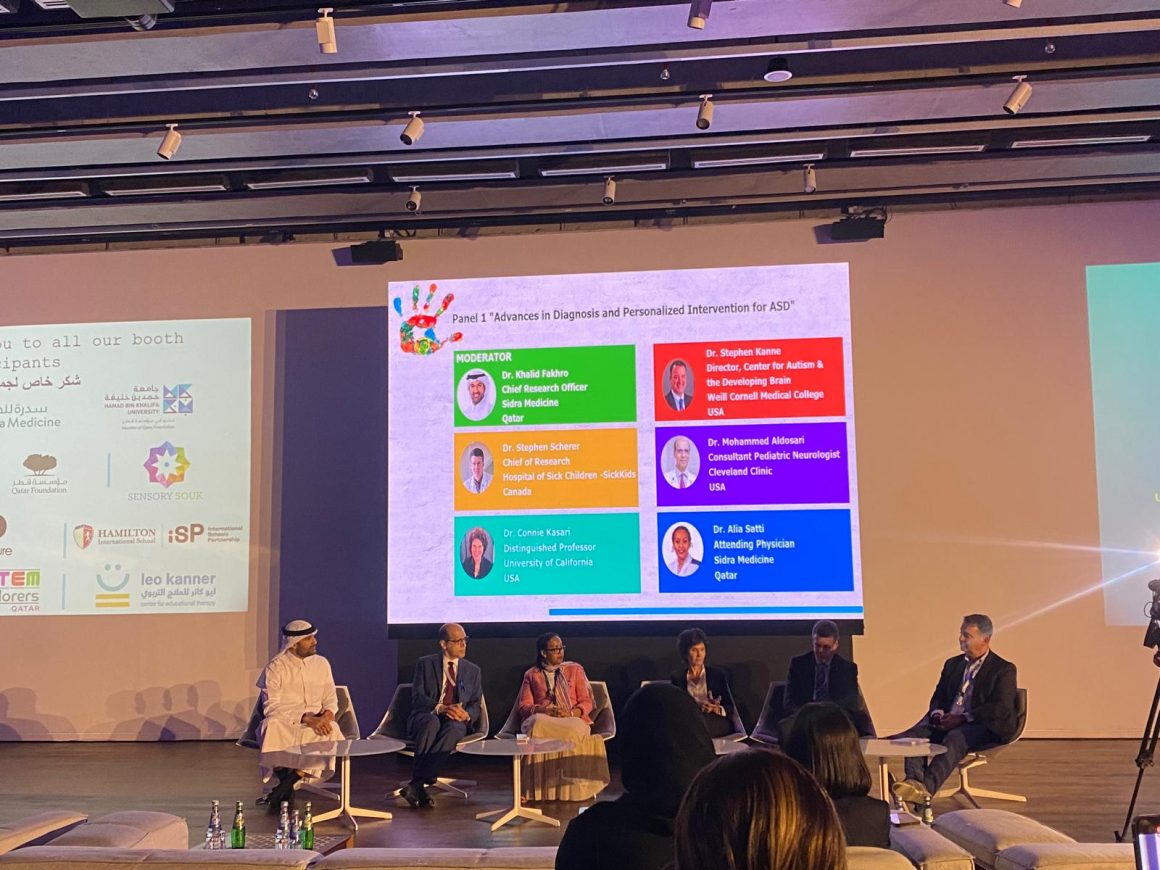
On the question of early AI-based autism prediction, Dr Kanne posed a powerful ethical reflection, saying, “ethically, what can we do with the information that a child might potentially have autism? Is it okay not to have that child? It’s better to focus on how to work with it and what can be done to help in that field, especially with AI”.
Dr Stephen Scherer, Chief of Research at SickKids, described how AI is now transforming genomics globally, “We use AI algorithms to do genetic interpretation, and the prediction is 95% accurate, better than humans”.
Real life journeys with Autism
While technology opens new paths in diagnosis and therapy, real life challenges remain central to families living with autism.
Opening the session, Dr Sahar Da’as, Research Manager at Sidra Medicine and founder of the Science Café series, said that it is empowering to witness global experts gathering in Qatar to exchange insights.
“As a mother of a teenager with autism, research transforming into hope and practical change for families like mine is the most meaningful progress of all.”
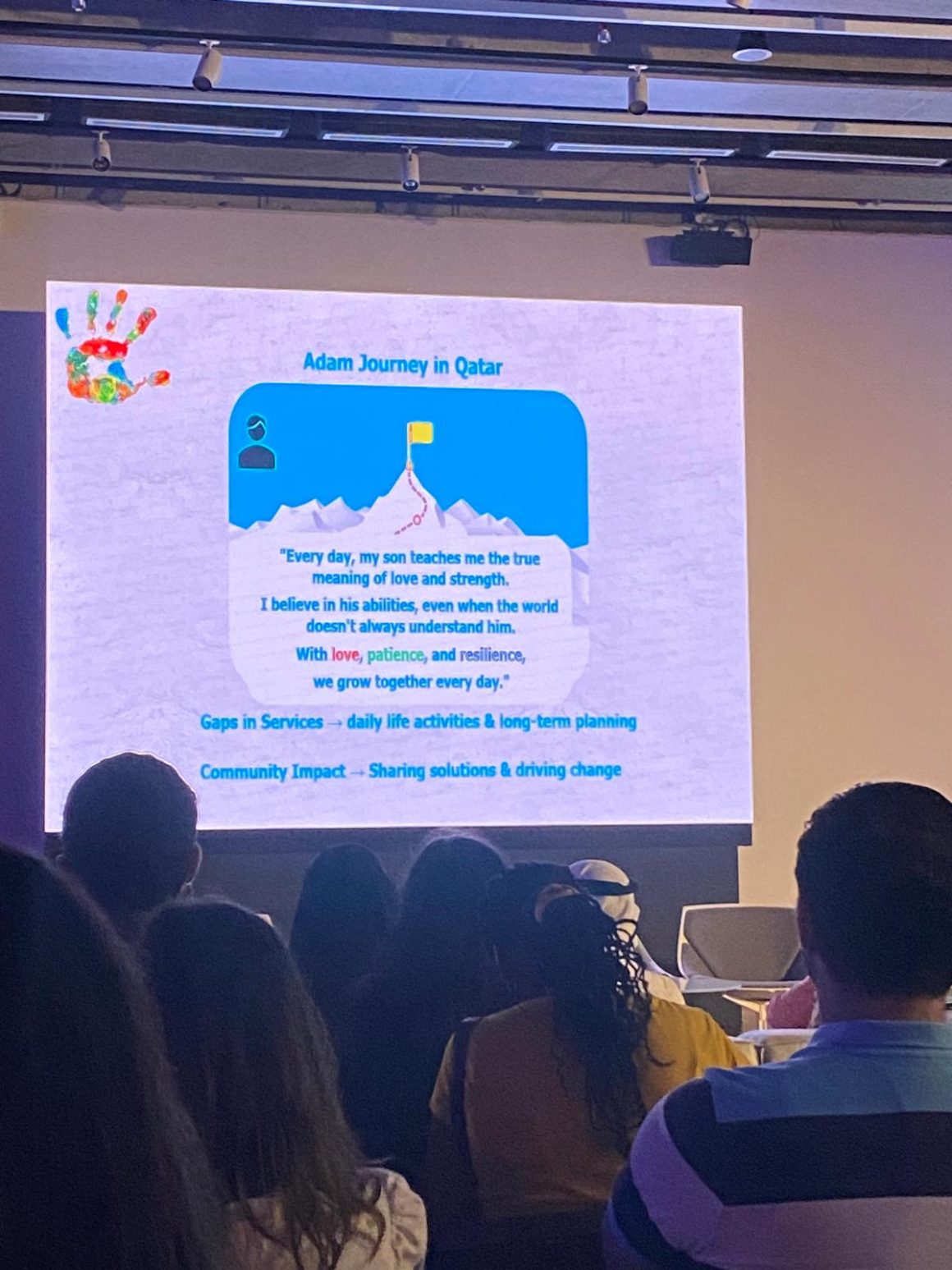
Christopher Banks, President and CEO of the Autism Society of America, shared practical examples of how AI supports inclusion with helping people be part of society in ways we hadn’t imagined before.
“There are people with autism using AI every day, tools that support communication, navigation, and work,” he affirmed.
Hamda Al-Hitmi, founder of Autism Parents Platform Qatar and a mother of two children with autism, emphasised that AI doesn’t replace human understanding “I want to be able to understand them. AI is promising, but only in some aspects of this journey”.
She continued, “We still need empathy from the community and awareness. AI can’t help with that. We are still at the human level of struggle”.
This emotional truth was echoed by Mursi Seraj, Technology Advocate at the MADA Centre, saying that love and support of the community is the irreplaceable part of the journey.
“Love and empathy are the emotions most needed, and they will never be delivered by AI. It all comes back to humans,” Seraj affirmed.
Bridging the gap between research and real life
Prof. Khalid Fakhro, Chief Research Officer at Sidra Medicine, emphasised Qatar’s strategic role in global autism innovation, with Sidra Medicine building unique programs around personalised medicine.
“Our BARAKA-Qatar study is a collaborative effort to advance autism research across the MENA region.”
Abdulla Al Naama, General Manager of Msheireb Museums, concluded that bringing science closer to the community by connecting research with real world impact is a main goal.
‘Through our partnership with Sidra Medicine and support for AutismTech, Science Café provides a platform where experts and the public engage meaningfully,’ Al Naama concluded.
The Science Café Series in 2025 will continue with sessions on AI, wellness, and rare genetic conditions, continuing its mission to make science more accessible and impactful for communities.