Qatar issued security alert and later ‘eliminated the threat’ amid rising U.S.-Iran tensions, as Doha condemned attacks on vessels and urged dialogue.
Qatar residents received an elevated security threat alert on Thursday morning, followed by an all-clear message approximately eight minutes later — the first such alert sequence in nearly three months.
The brief window between the two notifications points to a swift interception, consistent with Qatar’s established missile defence protocols.
Iran’s semi government Tasnim News Agency claimed its forces had targeted a satellite antenna used as an early-warning site in Qatar, alongside attacks on U.S. military targets in Kuwait and Bahrain.
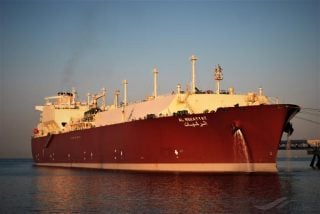
The alerts came amid a sharp escalation in the U.S.-Iran conflict, with U.S. Central Command launching strikes on more than 80 Iranian targets overnight, including air defence systems, radar sites and IRGC vessels in and near the Strait of Hormuz — in response to Iranian attacks on commercial shipping, including the Qatari tanker Al Rekayyat.
Qatar’s Ministry of Foreign Affairs had already summoned Iran’s Deputy Ambassador to hand over a formal protest note over the Al Rekayyat incident.
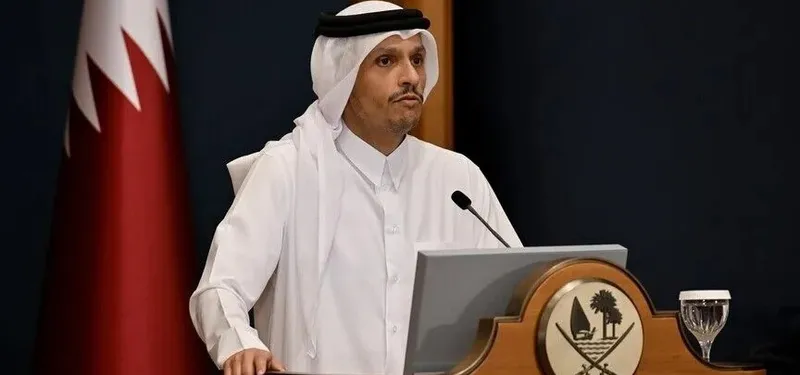
Against this backdrop, Qatar’s Prime Minister and Minister of Foreign Affairs Sheikh Mohammed bin Abdulrahman Al Thani and Iranian Foreign Minister Abbas Araghchi had a phone call where Sheikh Mohammed conveyed Qatar’s condemnation of attacks on commercial vessels and stressing the need for all parties to adhere to dialogue and implement the terms of the Memorandum of Understanding.
Sheikh Mohammed also held calls with Saudi Foreign Minister Prince Faisal bin Farhan, UAE Deputy PM and Foreign Minister Sheikh Abdullah bin Zayed Al Nahyan, Oman’s Foreign Minister Sayyid Badr bin Hamad Al Busaidi, and Turkey’s Foreign Minister Hakan Fidan — reaffirming in each call Qatar’s support for de-escalation and a comprehensive agreement that achieves lasting regional peace