A statement by the GCC on the meeting said the officials focused on “the blatant Iranian attacks” on the bloc’s members as well as Jordan.
Qatar’s Amir Sheikh Tamim bin Hamad Al Thani participated in a Gulf Cooperation Council (GCC) consultative meeting in Saudi Arabia on Tuesday, where the agenda focused on regional and international developments.
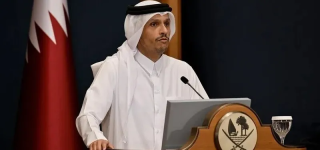
Sheikh Tamim was welcomed by Saudi Crown Prince Mohammed bin Salman upon his arrival in Jeddah. The Qatari leader was accompanied by a high-level delegation, which included Prime Minister and Minister of Foreign Affairs, Sheikh Mohammed bin Abdulrahman Al Thani.
“Our consultative Gulf summit today in Jeddah embodies the unified Gulf position toward the current developments and what they require in terms of intensified coordination and consultation in a way that strengthens our countries’ active role in supporting diplomatic paths, safeguarding the region’s security and the stability of its peoples,” Sheikh Tamim said on X.
The summit came amid an extended ceasefire in the U.S.-Israel war on Iran, which had major implications on the Middle East, particularly the Gulf.
Since the beginning of the war on 28 February, Iran has attacked its Gulf neighbours under claims of targeting U.S. interests—a claim widely rejected by the region.
A statement by the GCC on the meeting said the officials focused on “the blatant Iranian attacks” on the bloc’s members as well as Jordan in addition to ways to diplomatically end the crisis.
The GCC said Iran’s attacks violated the “principles of good neighbourliness”, resulting in “a sharp loss of confidence by the Council states” in Tehran, which requires it “to take the initiative to make serious efforts to rebuild trust”.
“They [GCC members at the meeting] also affirmed full solidarity among the Member states, that the security of its GCC countries is indivisible, and that any attack against any member state is considered a direct attack against all its states,” it said.
There was also great emphasis on the need to intensify “military integration among the member states” and accelerate “the completion of the early warning system project against ballistic missiles”.
The meeting saw the GCC’s rejection of Iran’s closure of the Strait of Hormuz, the obstruction of navigation through it and threats to its security.
“The Leaders of the Council states expressed their categorical rejection of Iran’s illegal measures to close the Strait of Hormuz[…]including the imposition of fees under any circumstance or designation for the passage of ships through it, stressing the need to restore the security and freedom of navigation and return conditions in the Strait to what they were before February 28,” the statement said.
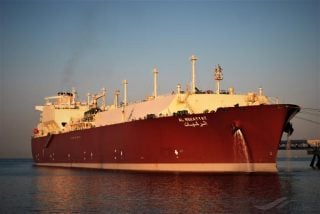
Iran’s closure of the vital Strait of Hormuz has also been a major issue of concern, given the waterway’s critical importance in global shipments. The Strait is used for roughly 20 percent of the world’s oil and liquefied natural gas (LNG) trade.
U.S. President Donald Trump has maintained the naval blockade on Iran since 13 April, further fueling tensions between Washington and Tehran.
At least 3,000 vessels passed through the Strait of Hormuz every month, according to Lloyd’s List Intelligence.
Oil tankers passing through the vital waterway also accounted for an estimated 15 million barrels per day of oil products, amounting to about one-fifth of the global oil trade, according to data Kpler. However, only 154 vessels passed through in March, according to the analytics firm.