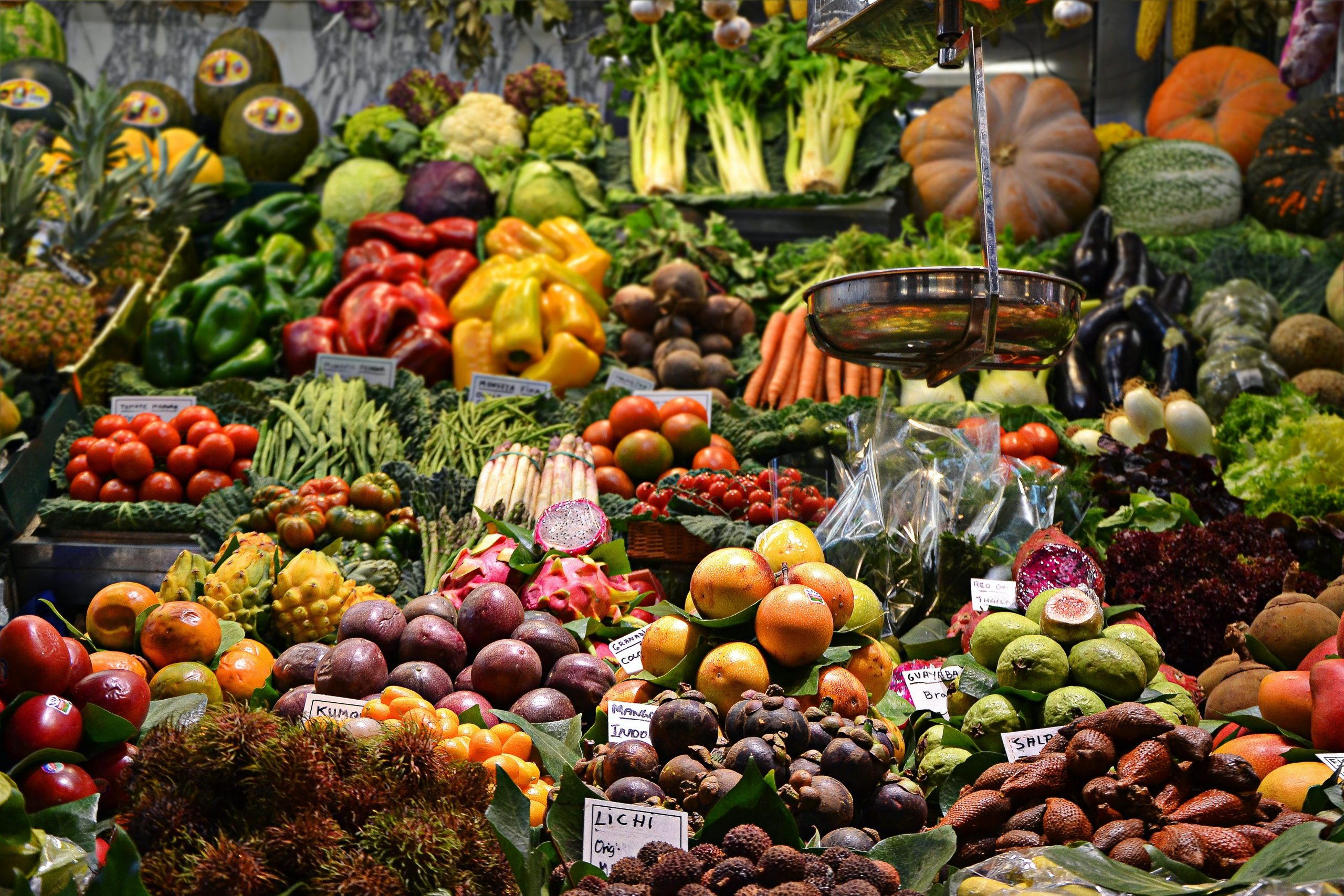
Encouraging domestic production and developing robust supply chains to enhance food security have started showing progress for Qatar.
Qatar’s efforts to boost food security are showing concrete results, with the Gulf state now fully self-sufficient in fresh dairy products and poultry, according to the latest figures.
Domestic production has met up to 98% of the country’s demand for fresh dairy and poultry for over four years, with other basic food products also seeing significant progress.
A central pillar of the National Food Security Strategy 2030, designed to overcome challenges linked to low domestic production in its arid and water-scarce land mass, is the drive to expand local production.
The increase in output of “highly perishable goods” such as staple vegetables, fresh milk and derivatives, poultry, eggs, fish, and red meat reflects that focus, said Hamad Hadi Al-Hajri, Assistant Director of the Ministry of Municipality’s Food Security Department.
“The focus on sustainability and local production has positively impacted self-sufficiency rates for basic food commodities, especially perishable commodities,” Al-Hajri told Qatar News Agency.
Under its six-year plan, Qatar aims to raise self-sufficiency in fresh fish, eggs, staple vegetables, and fresh red meat by more than 15 percentage points.
However, climate change and scarce natural resources remain significant challenges. Last year, Dr. Jarallah Al-Marri, Director of the Food Security Department at the Ministry of Municipality, stressed that Qatar’s production model relies heavily on “technology integration and sustainable agriculture” to address these pressures.
The strategy also targets efficiency gains by reducing water use per tonne of crops by 40%, cutting food loss and waste by 55–70% through sustainable methods, and lowering primary wastage within five years.
“These goals constitute a clear framework for an advanced stage of work toward achieving sustainable and comprehensive food security, capable of adapting to future environmental and economic challenges,” Al-Hajri said.
Strategic storage and private sector partnerships
Despite ranking as the most food secure country in the Middle East and North Africa, 30th globally out of 113 nations on the Global Food Security Index, Qatar’s reliance on imports leaves it exposed to global supply chain disruptions and price volatility.
To mitigate this, Al-Hajri said “building a strategic stockpile” remains a priority. The strategy includes storing 11 key commodities with long shelf lives, such as wheat, rice, sugar, and edible oils, for two to eight months, supported by a 48-hour crisis alert system.
Collaboration with the private sector is vital in meeting these targets, he added: “The private sector participates actively in strategic food stock projects by managing storage and recycling operations, ensuring the preservation of stock quality and its availability in times of need.”
Qatar has also strengthened supply chains and trade relations internationally to support its food security goals, said Mohamed bin Ahmed Al-Obaidli, Chairman of the Qatar Chamber’s Food Security and Environment Committee.
“Qatar has achieved advanced and tangible steps in enhancing food security by adopting a clear strategy,” Al-Obaidli said in remarks to QNA, adding that the Chamber is encouraging domestic companies to invest in food security projects.
“[Qatar Chamber] is providing specialised information and studies, and encouraging the establishment of joint ventures with leading international companies in the fields of storage, transportation, and other sectors,” he said.
The private sector’s role has already proven critical, Al-Obaidli noted, citing its swift response during the COVID-19 pandemic and Qatar’s resilience during the 2017 blockade, which accelerated domestic production and strengthened long-term preparedness.