Doha and Islamabad said participants agreed on new negotiation and deconfliction mechanisms aimed at reaching a final U.S.-Iran deal within 60 days.
Qatar and Pakistan announced Sunday that the first High-Level Committee meeting between U.S. and Iranian representatives had concluded in Switzerland with “encouraging progress,” as the parties agreed to establish new technical working groups and pursue a final deal within 60 days.
In a joint statement issued following the Lake Lucerne Summit in Bürgenstock, the two mediating countries said the discussions were conducted in a “positive and constructive atmosphere” and had resulted in the creation of “a mechanism for further technical talks”.
The meeting brought together representatives from Iran and the United States, alongside officials from Qatar and Pakistan, marking the first session of high-level negotiations since the signing of the Islamabad MoU last week.
According to the statement, the parties agreed to establish a High-Level Committee that will provide political oversight of the mediation process.
Chief negotiators will report regularly to the committee and lead specialised working groups on nuclear issues, sanctions, and monitoring and dispute-resolution mechanisms to ensure the effective implementation of the memorandum.
“The High Level Committee has agreed upon a roadmap towards reaching a final deal within 60 days,” the statement said, adding that technical talks would begin immediately.
The parties also agreed to establish a direct communication line to prevent incidents and miscommunication during the negotiation period, with particular emphasis on ensuring the safe passage of commercial vessels through the Strait of Hormuz, one of the world’s most strategically important maritime corridors.
In a further development, the statement announced the creation of a deconfliction cell involving the parties and Lebanon, facilitated by Qatar and Pakistan, to support adherence to the cessation of military operations in Lebanon as outlined in the MoU.
Technical discussions on all outstanding issues are expected to continue throughout the week at the Bürgenstock resort.
The Lake Lucerne Summit follows months of diplomatic efforts aimed at easing tensions between Washington and Tehran.
The Islamabad Memorandum of Understanding established a framework for negotiations covering Iran’s nuclear programme, sanctions relief, regional security arrangements and mechanisms to prevent escalation.
Qatar and Pakistan, which have acted as mediators throughout the process, expressed appreciation to both the United States and Iran for their “ongoing commitment to diplomacy and a peaceful resolution to the conflict”, and thanked partner countries for supporting the negotiations.
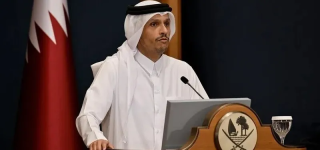
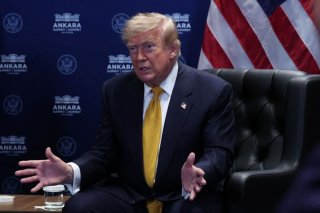
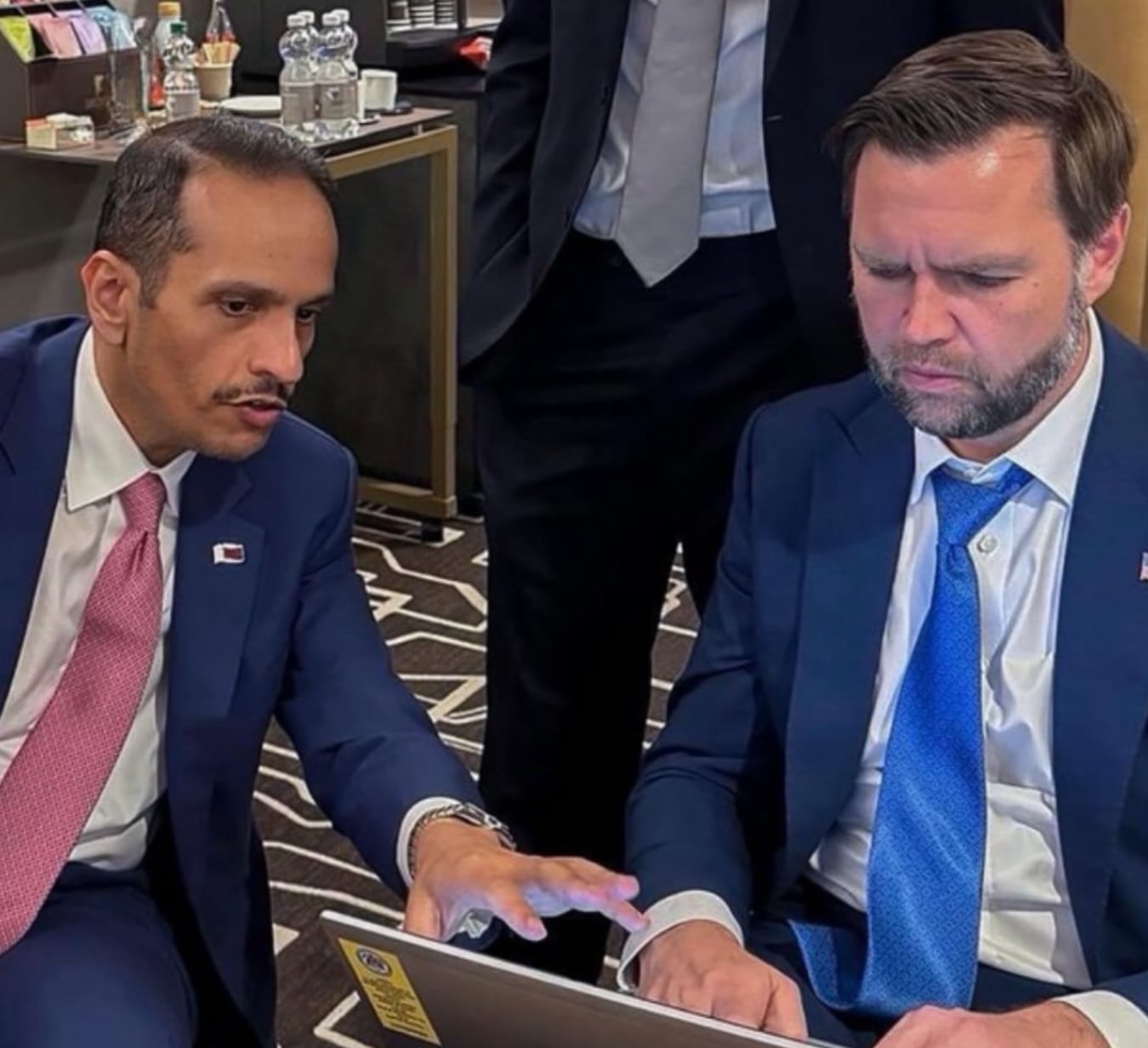
Qatar’s Prime Minister and Minister of Foreign Affairs, Sheikh Mohammed bin Abdulrahman Al Thani, led Doha’s delegation at the Lake Lucerne Summit. The US delegation included Vice President JD Vance, Middle East Special Envoy Steve Witkoff and Jared Kushner.
Iran was represented by Foreign Minister Abbas Araghchi and Parliament Speaker Mohammad Bagher Ghalibaf, while Pakistan’s mediation team was led by Prime Minister Shehbaz Sharif and Chief of Defence Staff and Army Chief Field Marshal Syed Asim Munir.
Following the summit, Araghchi took to X to praise the efforts of Islamabad and Doha to mediate between Washington and Tehran.
“Tireless Pakistani and Qatari mediation has delivered major progress to end the Lebanon War. Oil and petrochem exports are waived, blockade lifted, some frozen assets released, and a major reconstruction & development plan launched for Iran,” he said.
The focus on Lebanon comes amid continued Israeli military operations in the country despite ongoing diplomatic efforts to reduce regional tensions.
Israeli airstrikes and drone attacks in southern Lebanon have killed dozens of people in recent weeks, according to Lebanese authorities, while large areas of the south have sustained extensive damage and thousands of residents remain displaced.
The violence has fuelled concerns that further escalation could undermine broader efforts to secure a lasting regional settlement.