Efforts by Qatar, Oman, Saudi Arabia, Egypt, and Türkiye to push the U.S. and Iran into direct negotiations aimed at averting a potential conflict.
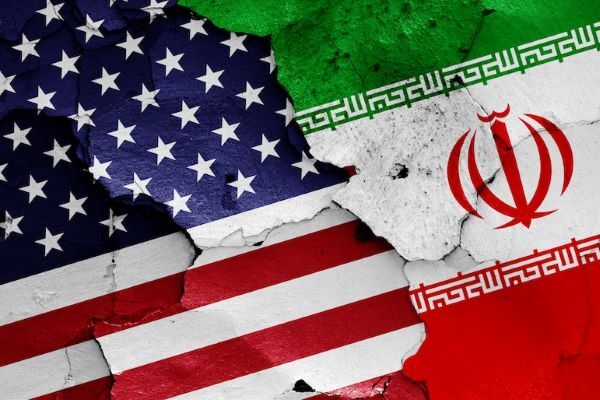
A concerted push by Arab governments, including Qatar, Oman, Saudi Arabia and Egypt, to draw the U.S. and Iran to the negotiating table has so far failed, with both sides dug into opposing demands as rising tensions fuel fears of broader conflict, according to reports by The Wall Street Journal.
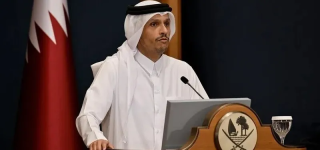
In recent days, Qatar and Oman have spearheaded diplomatic outreach to revive talks between Washington and Tehran, with Qatari Foreign Minister Sheikh Mohammed bin Abdulrahman Al Thani engaging in direct discussions with his Iranian counterpart, Abbas Araghchi.
Qatari officials have reiterated their support for de-escalation and their desire to see diplomatic channels reopened between the two reopened
On Wednesday, the foreign ministers of Egypt and Qatar held a joint call stressing the urgency of resuming U.S.-Iran talks, highlighting shared Arab concerns over regional stability.
Egyptian Foreign Minister Badr Abdelatty also held separate calls with U.S. and Iranian officials, though no progress was reported. Regional partners have stressed that sustained dialogue is essential to prevent escalation across the Middle East.
The diplomatic push comes amid heightened military activity and open confrontation.
Satellite imagery from the Chinese commercial provider MizarVision shows that an additional U.S. Patriot air defense battery has been deployed at Al Udeid Air Base in Qatar, the largest American military installation in the Middle East.
The backdrop to these diplomatic efforts is an intensification of military posturing and open confrontation.
Satellite imagery from the Chinese commercial satellite company MizarVision indicates that an additional battery of the U.S. Patriot air defense missile system has been deployed at Al Udeid Air Base in Qatar, the largest American military installation in the Middle East.
Open-source analysts were the first to highlight the images, which depict missile launchers, radar systems and support vehicles. However, a review of Sentinel Hub imagery up to January 23 showed no such equipment at the site, suggesting a recent deployment.
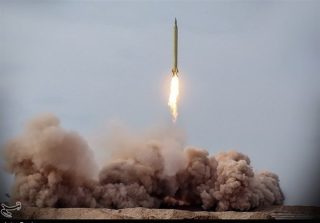
On June 23, 2025, Iran launched ballistic missiles toward the Al Udeid Air Base in Qatar, in retaliation for U.S. strikes on Iranian nuclear facilities.
Qatari and allied air defenses intercepted the missiles, and no casualties or significant damage, though the incident triggered temporary closures of several Gulf airspaces as a precaution.
Qatar condemned the attack as a violation of its sovereignty and territorial integrity, affirming its position that such actions could have “catastrophic consequences for international peace and security.”
Doha’s longstanding ties with both Washington and Tehran have positioned it as a potential intermediary in times of crisis.