Qatar strongly condemned Iranian strikes targeting the commercial port of Duqm and an oil tanker off the coast of Oman, describing the attacks as a violation of Omani sovereignty and a “cowardly targeting” of a country actively engaged in mediation efforts between Iran and the international community.
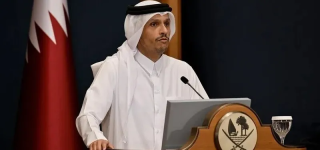
Majed Al Ansari, official spokesperson of Qatar Ministry of Foreign Affairs, warned that the targeting of Oman threatens diplomatic efforts in the region.
“The deliberate targeting of the Sultanate of Oman, a country that has made sincere efforts to mediate and prevent bloodshed, and has sought to keep the door to diplomacy open until the last moment, is an attack on the very principle of mediation,” he said on his official X account.
He added: “As we warned when Qatar was targeted for its mediation, this attack represents a dangerous pattern that threatens the role of mediators and undermines one of the most important tools for containing crises and preserving peace and stability.”
In a statement, Qatar’s foreign ministry reaffirmed Doha’s full solidarity with Oman and its support for measures taken to safeguard the sultanate’s sovereignty, security and stability.
The condemnation follows a widening wave of retaliatory strikes across the region after joint attacks by the United States and Israel on Iranian territory, which Iranian officials said crossed a “red line” and would trigger a harsh response.
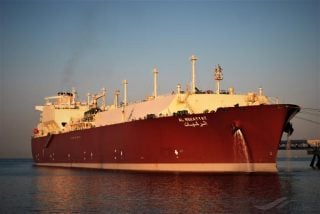
According to Omani authorities, a Palau-flagged oil tanker identified as the Skylight was struck off the coast of the Musandam Peninsula on Sunday, injuring four crew members.
The vessel was hit roughly five nautical miles north of Khasab Port, prompting the evacuation of all 20 sailors on board, including 15 Indian nationals and five Iranian nationals.
The maritime incident followed earlier drone strikes on the strategic commercial port of Duqm, where one expatriate worker was injured while debris from another drone landed near fuel storage facilities without causing further casualties or material damage.
The attacks mark a significant escalation in the rapidly expanding war, as Oman had previously remained outside the theatre of retaliatory strikes launched by Iran against U.S. and allied targets across the Gulf on Saturday.
The retaliation followed a large-scale U.S.-Israeli military operation that reportedly killed senior Iranian leadership figures, including Iran’s Supreme Leader Ali Khamenei, dramatically intensifying tensions across the region.
Iranian officials vowed a harsh response to the strikes. Iran’s parliament speaker Mohammad Bagher Ghalibaf warned that the United States and Israel would face “devastating blows” for the attacks, declaring that the two countries had “crossed our red line and must pay the price.”
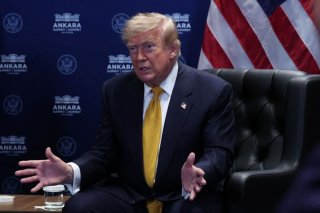
Meanwhile, U.S. President Donald Trump issued a stark warning against further escalation. In a message posted on Truth Social on Sunday, Trump wrote: “Iran just stated that they are going to hit very hard today, harder than they have ever hit before. THEY BETTER NOT DO THAT, HOWEVER, BECAUSE IF THEY DO, WE WILL HIT THEM WITH A FORCE THAT HAS NEVER BEEN SEEN BEFORE!”
The expansion of strikes to Oman has raised particular concern given the country’s longstanding diplomatic role in the region. Muscat has repeatedly served as a key intermediary in sensitive negotiations, including indirect talks between Washington and Tehran.
Oman’s geographic position also heightens the stakes for global energy markets. The Musandam Peninsula overlooks the Strait of Hormuz, one of the world’s most critical maritime chokepoints through which roughly a fifth of global oil consumption passes, meaning any instability in the surrounding waters could disrupt international shipping and energy flows.