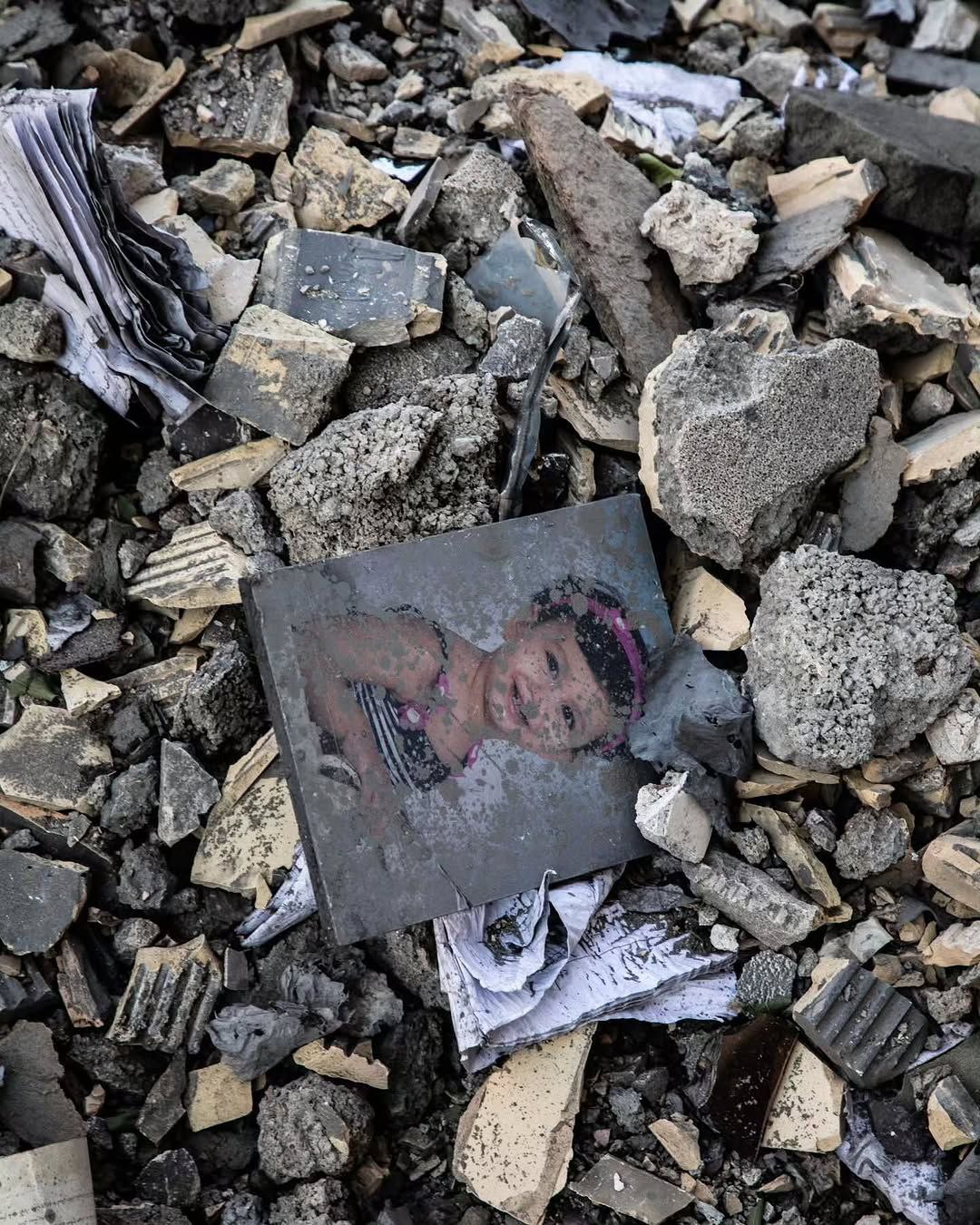
The latest escalation began in the early hours of Friday, when Israeli air raids reportedly hit multiple sites in and around Tehran, including areas believed to house civilian and energy infrastructure.
As missile exchanges between Iran and Israel continue into a fourth day, Iranian nationals living abroad are grappling with a mix of fear, helplessness, and a growing sense of national unity.
In Doha, where a sizable Iranian expatriate community resides, many are closely following developments back home. Among them is Mohammad Firoozi, who lives in the Qatari capital with his parents. He vividly recalls the moment he first heard about the Israeli strikes.
“When I woke up on the 13th of June, I saw my parents sitting in the living room. That’s when they told me that Israel has attacked Iran and people have been killed.”
The latest escalation began in the early hours of Friday, when Israeli air raids reportedly hit multiple sites in and around Tehran, including areas believed to house civilian and energy infrastructure. Iranian authorities condemned the strikes, calling them “a violation of international law and an act of aggression”.
Iran’s death toll has climbed to 224, with more than 1,200 injured while Israel reports 13 people killed.
Israeli strikes have also destroyed critical infrastructure, including Tehran’s Shahran oil facility and the Natanz nuclear site, prompting radiation monitoring by the International Atomic Energy Agency.
Separated from his family back home, Firoozi expressed the helplessness many diaspora Iranians are feeling.
“I’m just watching them through TV or phone… I really feel helpless. Part of me wishes that I was there in Iran to support the Iranian people instead of just being far away from them.”
Despite the pain, he says morale has shifted since Iran began its retaliation. “Iran has all the right to defend itself.” says Firoozi, showing happiness that Israel got a taste of its own medicine.
“They have been bombing Gaza, Yemen, Syria, Lebanon, and now Iran…It was time that someone stood up against them”
“Now we are united”
An Iranian couple living in Doha for six years, she a teacher from Golestan, he an HR officer from Karaj, spoke anonymously about the conflict and its effect on friends and family still in Iran.
Though critical of domestic politics, they believe the threat from outside has unified the country.
“We had our own issues with our governments, but that’s an internal thing. Now we are fighting an enemy from outside. I am proud that Iran is defending itself.”
Their friends in Tehran, especially in neighbourhoods like Tajrish and Sadeghiyeh, have seen missiles fall and buildings collapse.
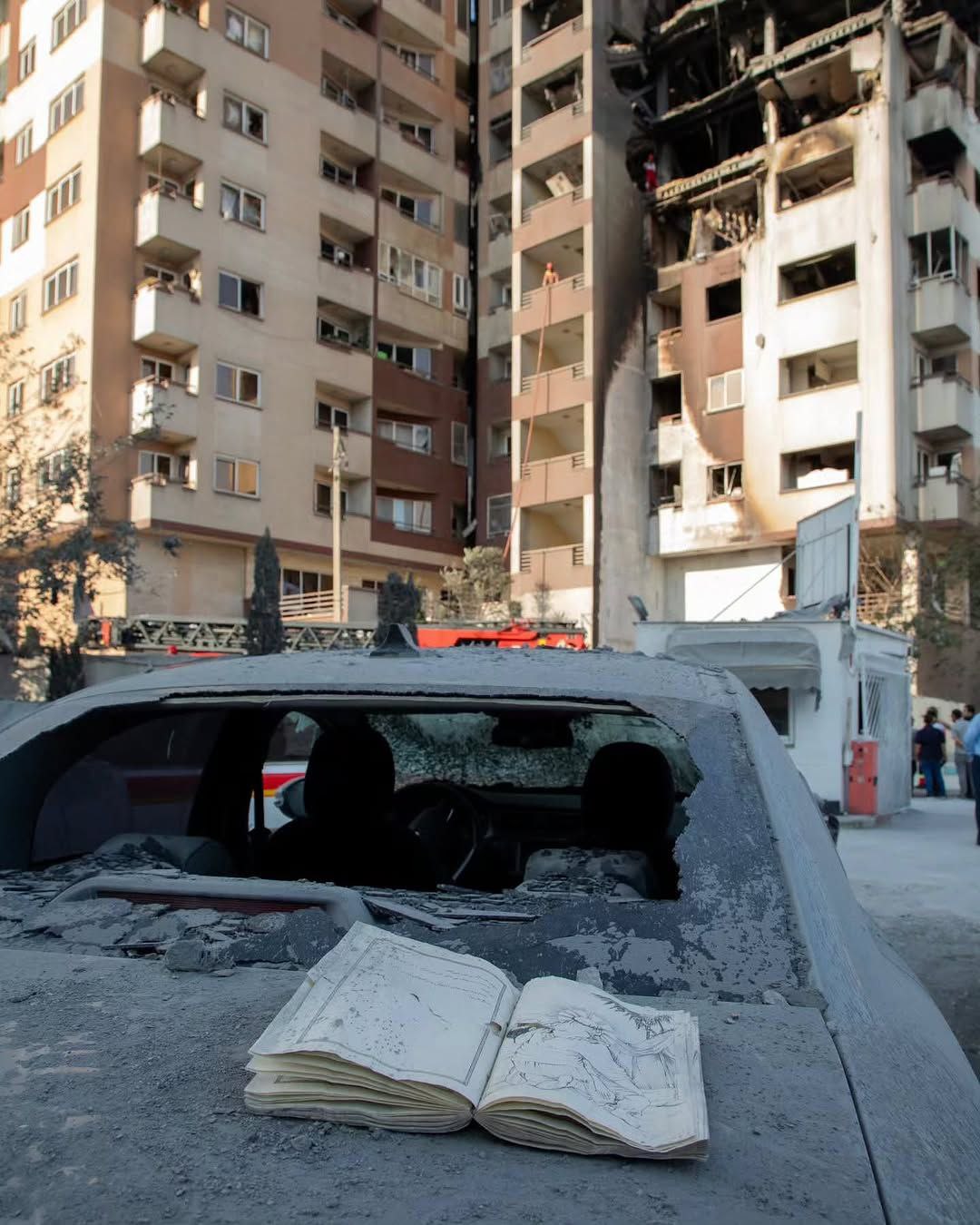
“My friend is alone in Tehran, far from family, having panic attacks. It’s really intense, we haven’t been at war for almost 40 years.”
Many residents are attempting to flee Tehran for nearby villages, but fear leaving the safety of shelters, unsure when the next Israeli strike might hit. Worsening the situation are frequent internet disruptions, making it difficult to stay in touch with loved ones or access reliable information.
”There’s no sleep. I’m constantly scrolling for news,” she says while remaining cautiously optimistic. Her husband, however, fears a much longer, bloodier conflict.
“When I saw the message from my sister that Iran was attacked, it shocked me. Our military commanders were killed. That was scary to see.” he says.
Many Iranians gathered at the Holy Shrine of Imam Reza in Mashhad day after the Israel strikes, to demand a response against Israel.
“While Israelis are hiding in shelters or running to the airport, Iranians are on the streets, demanding the government fight back,” says his wife proudly.
After shock, retaliation was expected, says an Iranian resident in Doha but it came with the fear that it meant war.
“When they retaliated, I felt fear, it means we’re entering a real war. And with the kind of support Israel has, you never know how long it will last.”
“I guess that’s Israel’s legacy”
Israeli Prime Minister Benjamin Netanyahu declared that the strikes had hit “the heart of Iran’s nuclear enrichment programme” and pledged operations would continue “as many days as it takes”.
In a message to Iranians, he claimed the attacks were meant to protect, not harm them. But Iranian residents in Doha found the statement offensive and out of touch.
“What is he saying? Bombing our cities and people is for our protection? This is sad and crazy. They are bullying one country after another. And no one is stopping them.” says Iranian resident in Doha.
The couple’s deepest concern remains the long-term toll on Iran’s infrastructure.
“Missiles don’t just kill people. They destroy water, electricity, and nuclear facilities. The consequences could be catastrophic.”
As the attacks continue, scenes of devastation are taking their toll emotionally. Iranians in Doha like many Iranians abroad, are struggling with grief.
“I have seen images of dead people already, parents holding children. I feel helpless, desperate, and scared… I guess that’s Israel’s legacy.”
As airstrikes and retaliation enter a fifth consecutive night, many Iranians brace for yet another sleepless evening, waiting for the next wave of strikes and desperately trying to reach family through unstable communication lines.