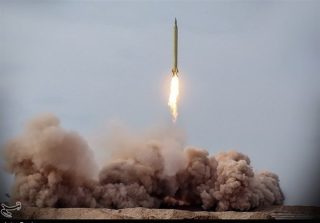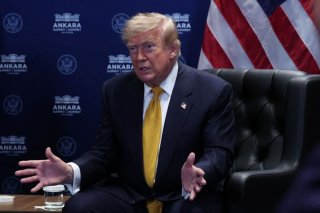
Iran’s joint military command says the Strait of Hormuz is closed over Israeli strikes in southern Lebanon, while Pakistan says technical U.S.-Iran talks will be held in Switzerland on Sunday.
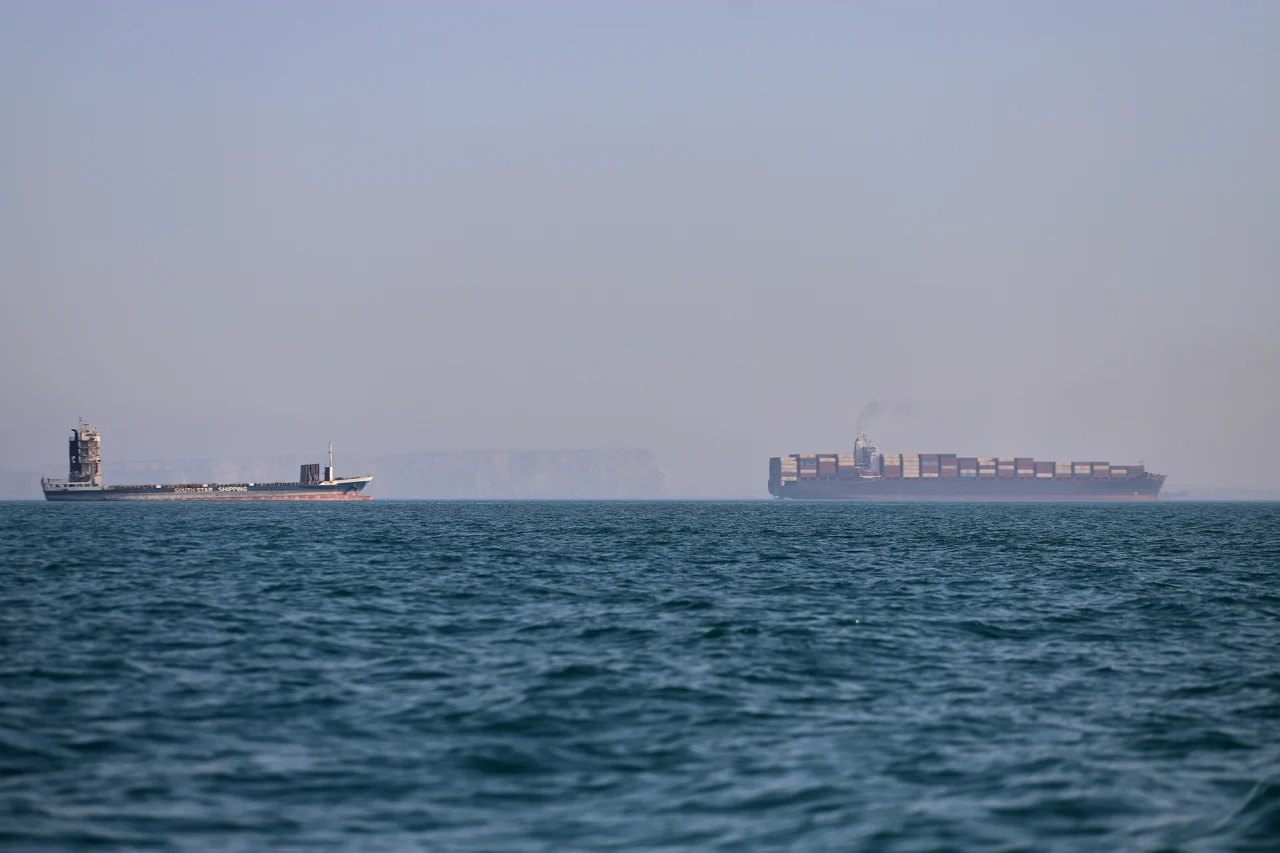
Iran has declared the Strait of Hormuz closed to maritime traffic, warning that vessels approaching the vital waterway would face security risks, in a move that escalates tensions despite ongoing diplomatic efforts to stabilise the region.
The announcement, made by Iran’s top joint military command, Khatam al-Anbiya Central Headquarters, comes just days after the strait had reopened under a newly signed memorandum of understanding aimed at ending hostilities, and hours after Israeli strikes killed at least 16 people in southern Lebanon overnight.
In a statement carried by state media, Iran said the closure was in direct response to what it described as the United States’ “clear breach” of its commitments and Israel’s “continuous and ongoing violation of the ceasefire” in southern Lebanon.
It said the Strait of Hormuz “will be closed to the passage of vessels,” adding that the measure marked only the first step and warning that further actions could follow if the situation persists.
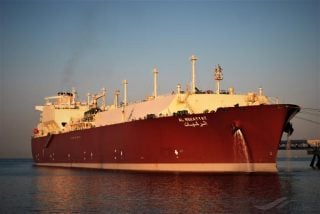
The development threatens a critical global trade route through which roughly one-fifth of the world’s oil supply passes under normal conditions. Although the waterway had been effectively disrupted earlier this year due to U.S.-Israeli war on Iran leading to a spike in oil prices, markets had briefly stabilised after Washington and Tehran agreed on a 14-point memorandum to end the war and reopen maritime transit.
That progress now appears fragile, with the agreement’s clause calling for an “immediate and permanent cessation of military operations on all fronts, including in Lebanon” yet to be fully implemented.
Iranian officials have insisted that the current conditions do not meet the requirements for moving towards a final agreement. Foreign ministry spokesman Esmail Baghaei said Tehran would use upcoming talks in Switzerland to follow-up “on the implementation of the other side’s commitments”, stressing that negotiations on a comprehensive deal could only begin once key provisions of the interim agreement are enacted. “Given our experience with the other side’s failure to honour commitments, we must naturally be very firm and serious in demanding fulfilment of obligations during the implementation phase,” he said.
However, on Saturday, the United States Central Command (CENTCOM) reported that commercial activity through the strait continued, stating that “safe passage through the international waterway remained intact”, with 55 merchant vessels transiting in a single day, transporting more than 17 million barrels of oil.
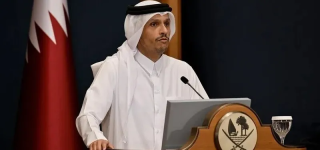
Pakistan’s Foreign Ministry has also confirmed that technical-level talks between the United States and Iran are expected to begin on 21 June at the Bürgenstock resort in Switzerland, mediated by Pakistan and Qatar.
However, uncertainty continues to surround the talks, with Iranian officials warning that meaningful progress will depend on Washington fulfilling its commitments, particularly regarding the ceasefire in Lebanon, as the fragile agreement faces mounting pressure from ongoing regional violence.