Multiple flights across the Middle East have been disrupted after U.S. and Israeli strikes on Iran triggered widespread airspace closures.
Multiple flights across the Middle East were disrupted on Saturday after the United States and Israel launched strikes on Iran, triggering widespread airspace closures and forcing airlines to divert or cancel services.
Both Israeli and Iranian airspace were closed until further notice shortly after the attacks, with several Gulf countries also taking precautionary measures.
Authorities in Qatar, Bahrain and the United Arab Emirates subsequently suspended operations in their airspace, significantly affecting regional and international flight routes linking Europe, Asia and the Gulf.
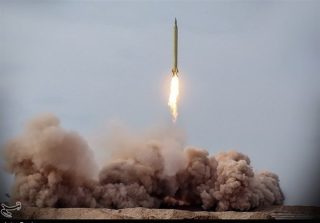
Early on Saturday, explosions were reported in several Iranian cities, including Tehran, Isfahan, Qom, Karaj and Kermanshah. In response, Iran launched retaliatory attacks on U.S military bases across the region, prompting immediate aviation restrictions across parts of the region.
The attacks on Iran follow what the U.S. described as coordinated military action alongside Israel.
U.S. President Donald Trump confirmed that Washington had launched “major combat operations” against targets in Iran together with Israeli forces.
Meanwhile, Israeli Prime Minister Benjamin Netanyahu said the two countries had “embarked on an operation to remove the existential threat posed by the terrorist regime in Iran.”
The aviation impact has been immediate. Flights bound for Israeli destinations have largely been diverted or cancelled, with several long-haul services rerouted to alternative airports in Europe.
Data from Flightradar24 showed U.S. carriers redirecting flights originally destined for Tel Aviv to Athens, while many European services returned to their departure airports.
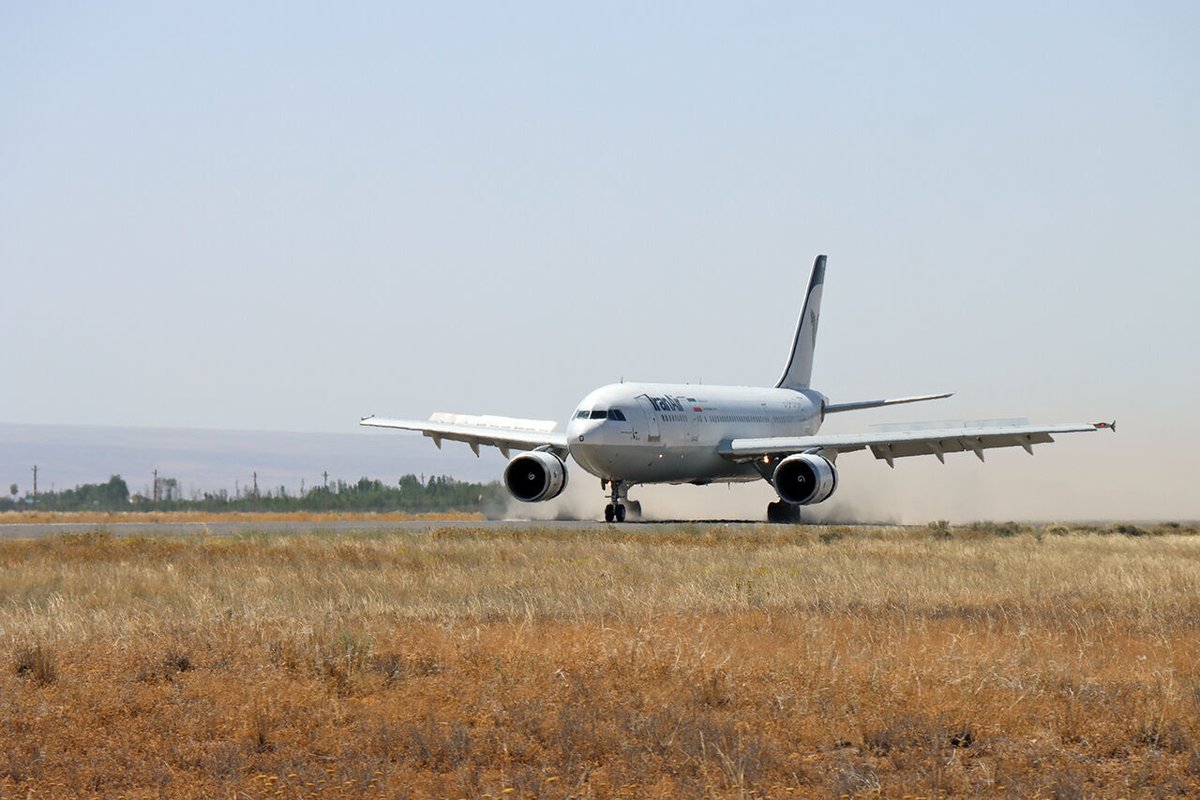
Airlines serving Iran have also been affected. Major carriers, including Emirates, Turkish Airlines and Qatar Airways, have reportedly diverted or cancelled flights to Iranian destinations amid the rapidly changing security situation.
The closure of multiple airspaces is expected to cause wider disruptions to global aviation networks, particularly for flights travelling between Europe, Asia and the Gulf.
With Iraqi airspace already considered unsafe due to the exchange of missiles, airlines have been forced to reroute aircraft along alternative paths, including through the Sinai Peninsula, which has quickly become heavily congested.
Regional carriers are also likely to face operational challenges as aircraft become stranded at diversion airports and flight schedules are reshuffled.
Authorities and airlines said they are continuing to monitor developments as the war escalates.