Eid Al-Adha, one of Islam’s most sacred festivals, is marked differently across the Muslim world. Yet in Qatar, expatriates cling to their cultural roots, striving to revive the soul of Eid despite the distance from their families.
As Eid al-Adha approaches in Qatar, many expatriates find themselves navigating the bittersweet task of celebrating one of Islam’s most sacred festivals far from their families.
For those hailing from countries where the Eid rituals are deeply rooted in community, culture, and tradition, the holiday becomes not just a day of worship and festivity, but also a moment of quiet reflection, longing, and adaptation.
Expats from Morocco, Yemen and Palestine shared their experiences with Doha News, reflecting on how distance, war, and shifting traditions shape their celebrations while living in Qatar.
Moroccan traditions and the quiet shift
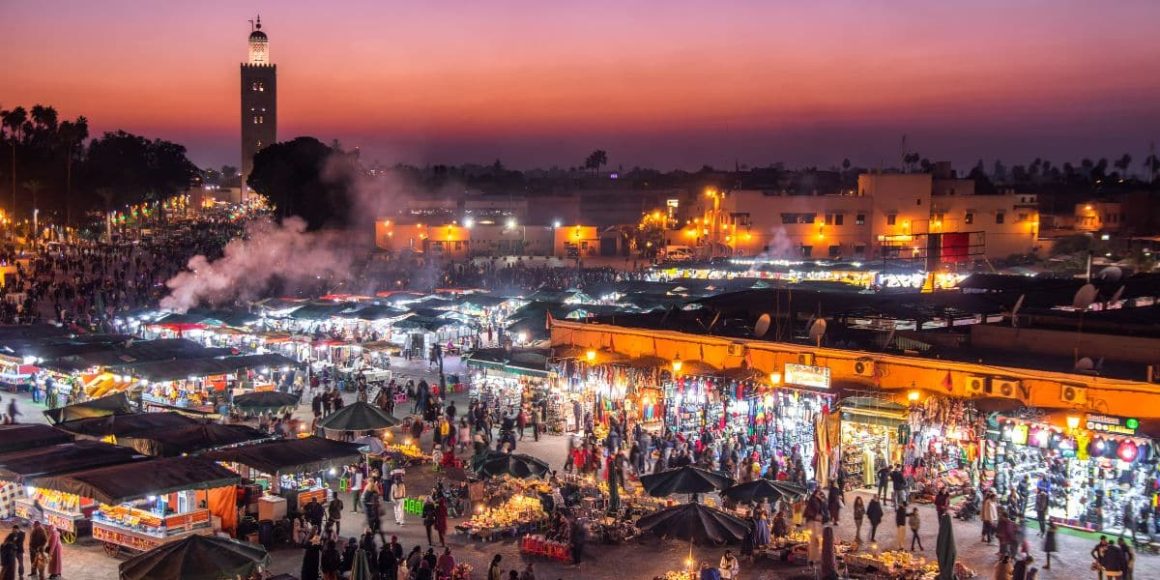
In Morocco, Eid al-Adha—also known as Eid Kabir—is more than a religious ritual. It is an all-encompassing celebration of family, community, and faith.
But this year, some Moroccans will not be slaughtering animals for the Eid al-Adha sacrifice ritual.
As reported by Aljazeera, Morocco’s King Mohammed VI has called on citizens to forgo the Eid al-Adha sacrifice this year. The message, delivered by Minister of Religious Affairs Ahmed Toufiq on national television on Wednesday, February 26, urged the public to refrain from the ritual amid dwindling livestock caused by severe drought.
“The climate and economic challenges our country is facing, which have led to a significant decline in livestock numbers,” he added.
The King also stated, “taking into account that Eid al-Adha is a strongly recommended Sunnah for those who are able, performing it under these difficult circumstances would cause real harm to large segments of our people, especially those with limited income.”
For those abroad, like Soukayna Ait Hammou and Youssef Mjida, the absence of the traditional sacrifice adds a layer of emotional distance.
Soukayna Ait Hammou has been living in Qatar for almost four years. She explained, “Eid al-Adha is one of the main celebrations in Morocco, not just for me, but for all citizens and the entire community.”
She intentionally spent her last Eid al-Adha in 2024 at home to gather with her family and experience the Moroccan rituals of the holiday, which she had missed for almost three years.
Ait Hammou painted a vivid picture of the preparations that begin days before Eid. She shared, “before the day of Eid Al-Adha, we clean the house, make sweets with my mother, make sure everything is crystal clear and ready for the next day”.
But in Qatar, things are different. “Firstly, because my family isn’t with me. And secondly, because the celebration itself feels different,” Ait Hammou explained.
While she still makes sweets and gathers with friends, the absence of the morning rituals and the atmosphere back home is deeply felt. She said, “the saddest part of the day is the morning. Back home, that’s when we’re preparing for the slaughtering, welcoming family and neighbours. On my first Eid in Qatar, I missed all of that. I missed every single step”.
Still, Ait Hammou finds comfort in the presence of her Moroccan friends, and even joy in sharing traditions with people from different countries.
“Living abroad has actually made me appreciate Eid more, everything about it: the family, the food, the visits, going to the mosque in the morning. But here in Qatar, it’s completely different. Yet, I try not to focus on the loneliness, because I don’t think that’s the spirit of Eid,” she said.
Her fellow Moroccan, Youssef Mjida, echoed this deep emotional attachment to Eid saying, “It’s a real celebration, a time for family, connection, and tradition. Children get new clothes and are overjoyed to wear them. Also the meat during this time is sacred.”
Now based in Qatar for almost five years, he tries to recreate that feeling with friends. “We go to the mosque for Eid prayers, and then we prepare the meat at home. We do our best to celebrate, because in Morocco, Eid simply isn’t complete without loved ones, family or friends.”
Still, celebration in Qatar feels rather contained than the extended festivities back home. “In Morocco, Eid doesn’t really end until the meat runs out,” he laughed.
What saddens Youssef most is celebrating Eid in Qatar on a different day from his family. Morocco often marks Islamic occasions a day later than other Arab countries. This difference stems from variations in moon-sighting, as Eid can fall on different days depending on each country’s Islamic authority.
Mjida explained, “They forget to call me on my Eid day here in Qatar. Instead, I end up calling them the next day to let them know that Eid has already started here. That makes me feel sad. On that day, I feel invisible.”
Yet he chooses to find meaning in new ways. “In Qatar, the meaning of Eid has shifted for me. It’s no longer about slaughtering or food, it’s more about being with friends, creating a sense of belonging, and building happy memories so I don’t feel alone.”
From Yemen to Doha: Coping with distance through faith
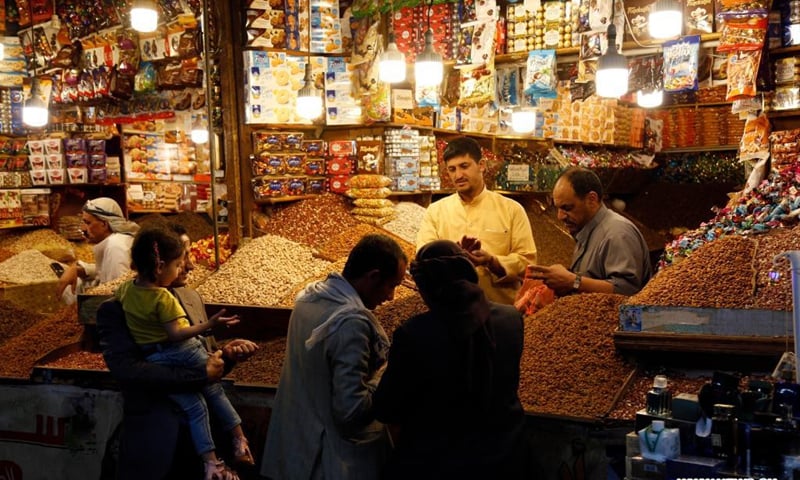
Just like Moroccans, Yemenis living in Qatar also carry the emotional weight of spending Eid far from home, each trying to hold on to their own cultural traditions while adapting to new surroundings.
Faozi Alghuwaidi, a Yemeni expat in Qatar for over five years, observed that Eid al-Adha traditions have evolved over time, especially due to the ongoing war in Yemen.
“In Yemen, Eid al-Adha is quite different from Morocco,” he noted. Previously, the holiday involved time off work, communal prayers, and family visits. However, “Now, even during Eid al-Adha, people often continue working, trying to make a living, even on this sacred day.”
In Qatar, Alghuwaidi and his friends adapt by gathering for meals and outings. “It’s mostly spent with friends. We try our best to come together and celebrate.”
He recalled a memorable celebration of his first Eid Al-Adha at the Doha Institute for Graduate Studies in 2020, where students showcased various cultural traditions. Yet, the emotional weight of being away from family is still significant.
He said, “The truth is, Eid or Ramadan, or any Islamic celebration, is when you truly feel the weight of being away from home. You feel the weight of alienation.”
He emphasised, “Family. That’s the hardest part. Even in Yemen, the only time the whole family really comes together is during Eid, and now I’m not there to be part of it.”
Palestine: Eid amid war and genocide
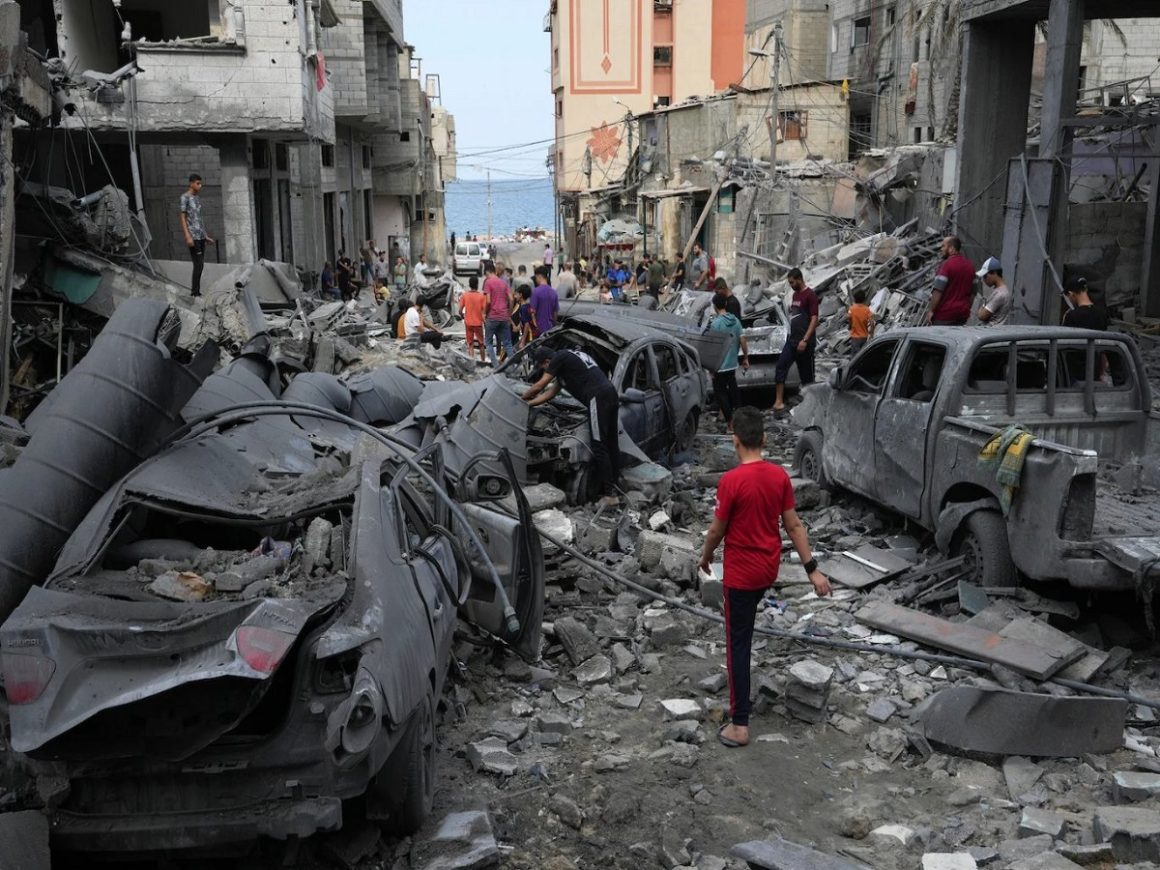
Similarly, for Palestinians living in Qatar, Eid is marked not only by distance from home but also by the heavy shadow of ongoing genocide in the Gaza Strip.
Nour Abulqomsan* has been in Qatar since 2023, before the war on Gaza began.
She stressed, “I have never had the luxury of visiting the rest of Palestine. I’ve never stepped foot in it, and so I can only speak of what I know. And for the past 30 years, all I’ve ever known is one patch of land: Gaza. A place where people live with natural simplicity.”
“Eid was always something eagerly awaited,” she reflected, “a kind of longing that everyone pretended to lamented about, but in the end, everyone took part.”
Signs of its approach begin with the markets, bursting with energy. She explained, “you could witness the peak on the eve of Eid, it’s nearly impossible to move through the suffocating crowds. It’s as if people go out just to witness the crowds themselves,”
Yet Eid al-Adha comes with added worries. Amid regular electricity cuts, people face practical dilemmas. “There’s always this worry, will the meat spoil in the fridge? What about keeping water cold for guests?” Such concerns, while seemingly mundane, become daily negotiations within the household. “Then begins the classic fridge battle, sacrificing space for meat versus space for water,” she added
As dawn breaks on Eid day, the city echoes with the prayer and Takbirs. “Most people head to the mosque. The mosques are so packed that prayers spill out into public spaces,” she said. Women, too, take part, some attending the prayers, others dedicating themselves to preparing food and sweets (ka’ak and ma’amoul).
Yet, since the war began, she said, “Eid has disappeared; Gaza has all but vanished. This war hasn’t just destroyed buildings. It has erased the way of life we once knew. Eid now is just another morning, uncertain if we will wake to see it or not.”
For her, Eid in Gaza is now reduced to survival. “It’s about whether there’s water or food, or even the space to stand up.” She explained that in the current devastation, people aren’t thinking about Eid clothes or sweets, they’re thinking about staying alive. “The best gift now is a bag of flour or a loaf of bread. That’s what Eid looks like in Gaza today.”
Living in Qatar, Nour no longer understands how to celebrate Eid.
she said, “the very idea of Eid has become impossible for me, existing in two different places at once. living physically in one place, while my mind is elsewhere. I don’t even bother to start comparing or questioning Eid anymore because, in reality, it no longer exists.”
*Nour Abulqomsan is a pseudonym used at the request of the interviewee, who wished to remain anonymous.