The Earthna Summit 2025 in Qatar drew over 2,000 attendees, highlighting women’s leadership in sustainability and the Arid Cities Network and with discussions on climate solutions and urban resilience.
The Earthna Summit 2025, organized by Earthna Center for a Sustainable Future, a member of Qatar Foundation, concluded on Wednesday after two days of cross-sector collaboration, ideas, and dialogue under the theme, “Building Our Legacy: Sustainability, Innovation, and Traditional Knowledge.”
The Summit drew more than 2,000 attendees.
Day two opened with a session titled “Women Leading Collaboration: Partnerships for Sustainable Development,” which emphasized the crucial role women play in advancing Sustainable Development Goal (SDG) 17: Partnerships for the Goals.
The panel brought together leaders from government, diplomacy, and the development sector to discuss the importance of inclusive leadership in shaping effective partnerships, new financing models, and policies to accelerate global sustainability efforts.
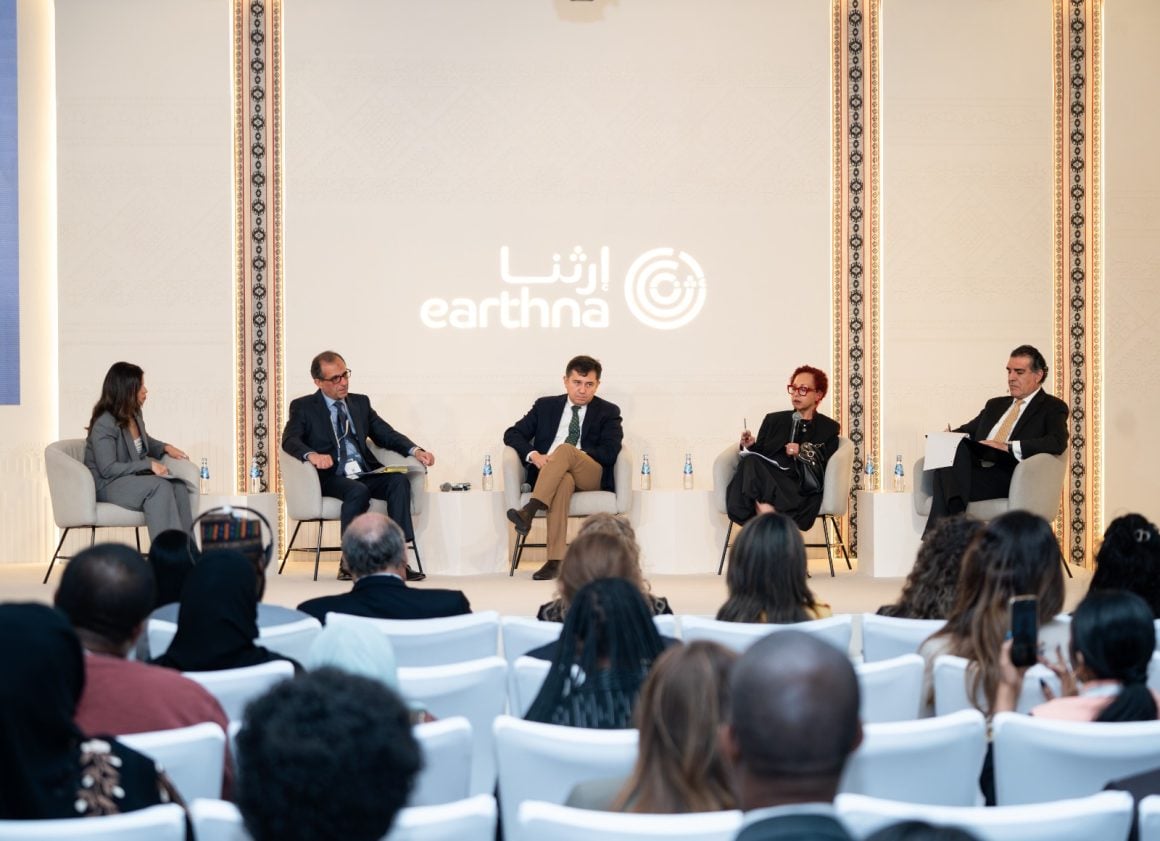
“It is time to support their leadership with the tools and resources they need, and to walk alongside them in shaping a more collaborative and equitable future. The moment to act together is not coming: it is already here,” said Patricia Espinosa Cantellano, founding partner and CEO of onepoint5 and former Executive Secretary of the United Nations Framework Convention on Climate Change.
“Change does not happen in isolation. It happens when we invest, innovate, and generate impact together,” she added.
Dr. Hamda Al-Sulaiti, Deputy Speaker of the Shura Council, underlined the importance of advancing SDG 17.
“It is the voices, vision, and values of women that are forging the most resilient and transformative pathways toward a more sustainable and equitable world,” she remarked.
Curated networking was also a major focus, paving the way for high-level panels later in the day that addressed pressing environmental challenges—from sustainability frameworks beyond GDP to the role of faith-based approaches in advancing environmental stewardship.
Another highlight of the Summit was the plenary session on the Arid Cities Network, where leaders advanced plans for an alliance aimed at facilitating knowledge sharing of climate solutions for arid urban centers.
“What I’ve witnessed here is more than a summit—it’s a movement,” said Rafael López Aliaga, Mayor of Lima.
“Over the past two days, I’ve had the honor of reconnecting with peers and engaging with inspiring individuals from across sectors and around the world. There’s a shared energy here—everyone is eager to go home, stay connected, and continue driving forward toward real, scalable solutions. This momentum is only the beginning, and I want to thank Earthna for bringing us all together,” Aliaga said.
The roundtable conversations tackled pressing issues, including the challenges facing displaced populations, the insights found in traditional urbanism, and the critical need for regional air quality coordination.
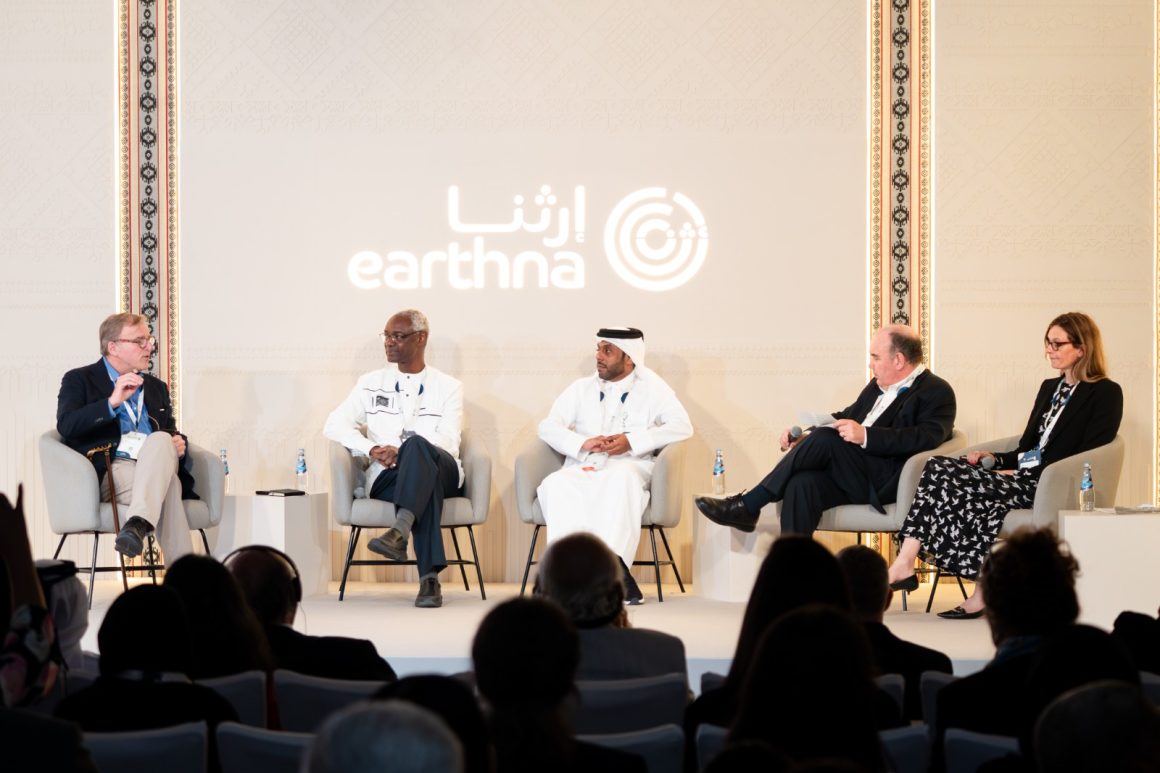
Meanwhile, the interactive Agora Sessions and Earthna Village spotlighted community-led solutions, social enterprises, and grassroots innovation, with examininations into how traditional architecture and heritage preservation can play a pivotal role in rebuilding cities after conflict, fostering resilience, and reclaiming community identity.
“It has been an honor to host the Earthna Summit in Msheireb—a living example of what sustainable urban innovation can achieve in arid environments,” said Eng. Ali Al Kuwari, CEO of Msheireb Properties.
“Cities like ours face immense challenges, but through collaboration, shared knowledge, and bold thinking, we can shape resilient cities for generations to come,” he concluded.
The Summit was delivered in strategic partnership with the Ministry of Environment and Climate Change, alongside corporate and content partners.