Indians and Pakistanis living in Qatar express relief and cautious optimism after a ceasefire is announced between their home countries. Amid years of tension, the diaspora finds a rare moment of unity and shared hope for lasting peace.
As news of a ceasefire between India and Pakistan broke on Saturday, the first emotion that washed over Sabah Zubair, Pakistani national residing in Doha was relief.
“Just spoke to my father. There is breaking news all over Pakistani channels, ceasefire has been agreed,” Sabah told Doha News hours after the India-Pakistan truce was announced.
She finally reached her father, Muhammed Mirza Zubair, in Kashmir after repeated failed attempts, as calls were not getting through for hours. Her parents, having lived under the shadow of falling bombs on the Pakistani side of Kashmir, echoed her emotion from afar.
“We were relieved when the immediate ceasefire was announced, there hadn’t been any shelling, Alhamdulillah, but unfortunately, the firing resumed later on Saturday night with heavy artillery that continued until morning,” said her father, Muhammed Mirza Zubair, in a brief, shaky call with Doha News from their village Samahni near India-Pakistan de facto border in Jammu and Kashmir, called Line of Control (LoC).
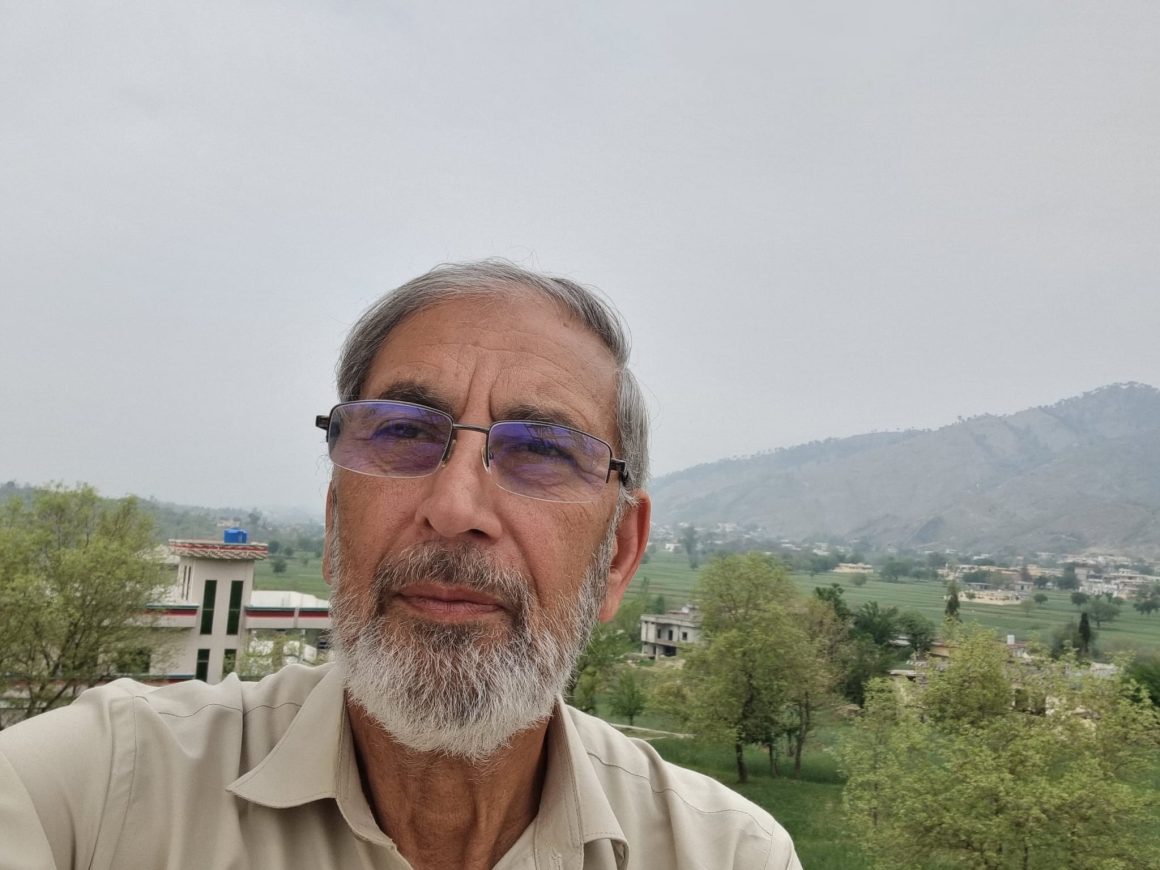
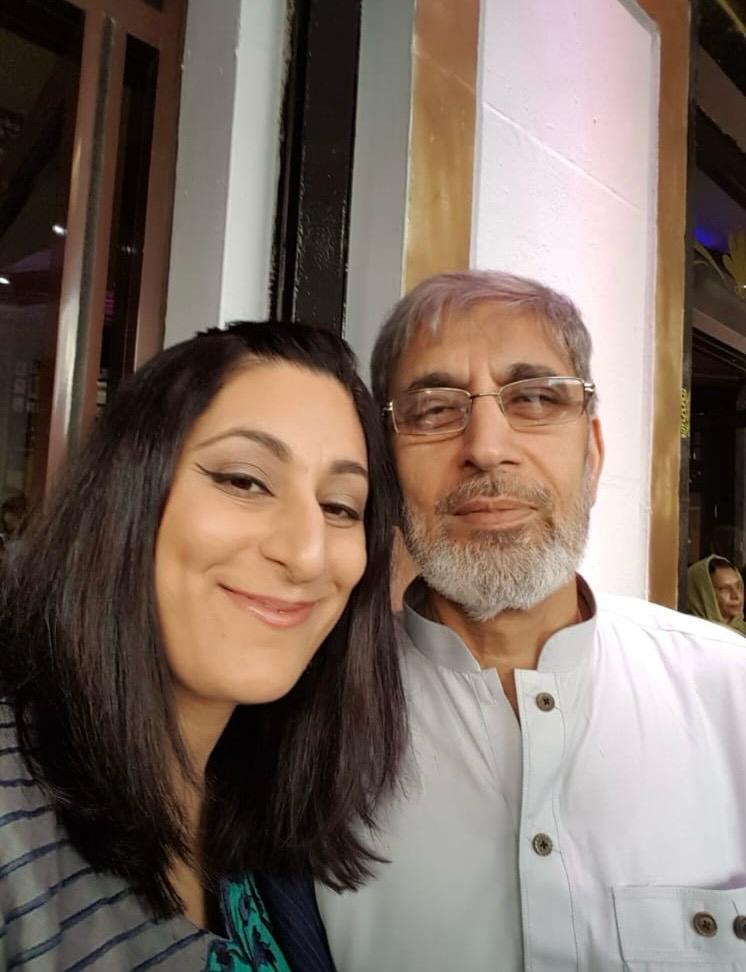
Sabah, a teacher who has lived in Qatar for 13 years, had been enduring days of emotional turmoil, desperately trying to reach to her parents, Nargis Firdous and Muhammed Zubair Mirza. Semi-retired British citizens, the couple travels to Kashmir annually for rest, but this year their peaceful retreat turned into a nightmare.
“They’ve been there since October and were supposed to come back to Doha now. But with flights cancelled, they’re completely stuck,” Sabah said.
Though the guns may have fallen silent for now, fear still looms. The couple lives just two kilometres from the LoC, where only hours before the ceasefire, heavy shelling and aerial strikes had been rattling their village. “My father told me that missiles fell barely a kilometre-and-a-half away,” Sabah said.
Pakistan and India have agreed to a ceasefire
The ceasefire, announced by U.S. President Donald Trump following overnight talks between Indian and Pakistani officials mediated by Washington, has been met with cautious hope. Pakistan’s Foreign Minister Ishaq Dar confirmed the truce on social media, stating: “Pakistan and India have agreed to a ceasefire with immediate effect. Pakistan has always strived for peace and security in the region, without compromising on sovereignty.”
India’s statement, however, was more guarded: “The ceasefire remains in effect as long as Pakistan refrains from future terrorist activities, which will be treated as acts of war.”
Despite this uneasy truce, Sabah’s anxiety has not eased. “Even with this ceasefire, we’re scared. They have no bomb shelters. They’re just in their home, hoping and praying,” she says.
“We don’t want war”, Doha community speaks
In Doha, where both Indian and Pakistani communities live side-by-side, the reaction has been a mix of sorrow, fear, and a unified call for peace.
Shanid, a 35-year-old Indian national working as a Key Account Manager, said:
“As a human being, I stand firmly against harm and violence in any form. The news is both shocking and deeply upsetting. My heart goes out to all those affected on both sides — I do not support war or the suffering of innocent people. I sincerely pray for peace.”

Ramshad, 38, another Indian national and Business Development Manager, shared:
“As an Indian, I am against this war. We are all humans, whether from India or Pakistan. We lost our innocent brothers and sisters on both sides. No one truly wins in war; it’s always a complete loss.”

Mahas, 29, also from India, reflected on the shocking turn of events:
“It’s completely unexpected. I never imagined it would escalate into war or reach this level of devastation.”

From the Pakistani community, Saadat, 40, a Procurement Specialist, urged for long-term peace-building:
“Decades of tension between these two nations have persisted, but my perspective is clear: we must prioritise open channels for diplomacy, people-to-people exchanges, and cultural connections. These efforts pave the way for hope and lay the foundation for peaceful dialogue and stronger neighborhood relations.”
Life under fire
In the last 48 hours preeceeding the ceasefire, the Kashmir region had witnessed some of the most intense cross-border exchanges in years. At least 13 civilians were killed and over 50 wounded in Indian airstrikes on Pakistan-administered Kashmir on the intervening night of May 6 and 7, according to regional disaster authorities.
Indian jets had launched Operation Sindoor on May 6, targeting what India said were “terrorist infrastructure,” prompting a fierce Pakistani response under Operation Bunyan Marsoos four days later. Drones, missiles, and shelling followed in rapid succession, with multiple blasts reported near Srinagar airport and Ferozepur in India’s Punjab. Pakistan even temporarily closed its airspace, citing safety concerns.
Caught in the crossfire, Sabah’s parents, like many Kashmiris, had no way out.
“There’s no way to flee,” she explains. “The army has closed the roads, and the village they’re in doesn’t have any bomb shelters. Everyone is just staying inside, terrified.”
The emotional cost
“We’re more worried being away from them than they seem to be,” Sabah says, describing how her siblings in the UK and she in Doha are on constant edge. “They’ve grown used to this level of danger over the years, but this time, it felt different. They said it’s never been this bad.”
Communication has been sporadic at best. WhatsApp calls rarely go through, and when they do, they often drop after a few seconds. “We’re lucky if we get even a few minutes with them,” she adds.
The ceasefire has brought a momentary sense of relief, but for Sabah and thousands of others like her, the worry hasn’t ended. It lingers, just as the echoes of shelling still haunt the borderlands of Kashmir.