Al-Ansari says Gulf states are united on de-escalation, support diplomacy, and must be part of any Hormuz solution.
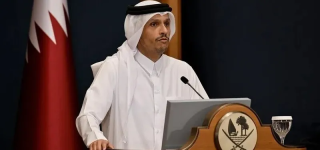
Qatar’s foreign ministry spokesperson Majed Al-Ansari announces that Gulf states are “very unified” in calling for de-escalation and an end to the war, as regional tensions continue to escalate into a second month.
Speaking during a weekly press briefing in Doha on Tuesday, Al-Ansari said Gulf leaders were working towards ending the conflict and remain in “daily contact” on efforts to contain the situation.
“What we understand is that there is a very unified position in the Gulf calling for de-escalation and an end to the war,” he said, adding that Qatar had called for calm since the first day of the escalation, including halting all military movements.
He also confirmed that Doha supports Pakistani efforts aimed at reducing tensions, while maintaining communication with regional and international partners.
Hormuz and regional role
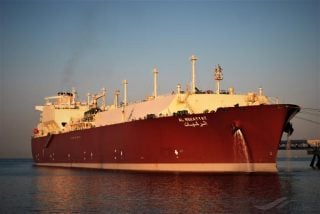
Addressing the Strait of Hormuz, Al-Ansari said the waterway is a global passage and cannot be subject to the control or decisions of a single country.
“The issue of the Strait of Hormuz is regional and has repercussions for everyone in the world,” he said, noting that Gulf Cooperation Council states have taken a collective decision to seek a solution to the issue.
He stressed that Gulf countries must be part of any future agreement in the region, particularly in matters affecting maritime security and energy flows.
Al-Ansari added that the Qatari prime minister and foreign minister had also discussed freedom of navigation in the strait during recent talks in Washington, warning that any closure would pose a serious threat to global energy security.
Infrastructure attacks and ‘red lines’
Al-Ansari warned against the targeting of infrastructure, saying attacks on civilian, energy and nuclear facilities represent a dangerous escalation.
“There are many red lines that have been crossed in this war,” he said, particularly highlighting strikes on infrastructure and nuclear-related sites.
He stressed that halting such attacks “does not require initiatives, but political decisions” from the parties involved.
Qatar has repeatedly called for all sides to refrain from targeting vital infrastructure, warning of the broader regional and global consequences.
Defence and Iranian attacks
On Iranian attacks targeting Gulf countries, Al-Ansari said Qatar’s armed forces have been effective in responding, noting they had intercepted around 90 percent of incoming attacks.
He said Doha’s priority remains defending its territory, while continuing to support diplomatic efforts to reduce tensions.