Amid famine and relentless Israeli bombardment, families in Gaza face a hollow Eid marked by hunger, grief, and the fading memories of joy.
In the days leading up to Eid in Gaza City, there is no joy; only destruction and hunger as far as the eye can see. Nuha Al Najjar, a mother and grandmother, never imagined she would live to witness such desperation.
“We hear neighbour children screaming from hunger, and no one can help,” she says. “I swallow the lump in my throat and carry on.” She needs that strength. Her two-year-old granddaughter has been crying since morning.
“She needs milk. It’s been months since we’ve seen a single bottle,” she says.
For months, Israel has blocked the entry of food and medicine into Gaza. More than two million Palestinians are being starved, surviving on little more than a piece of dough or a small serving of lentils each day.
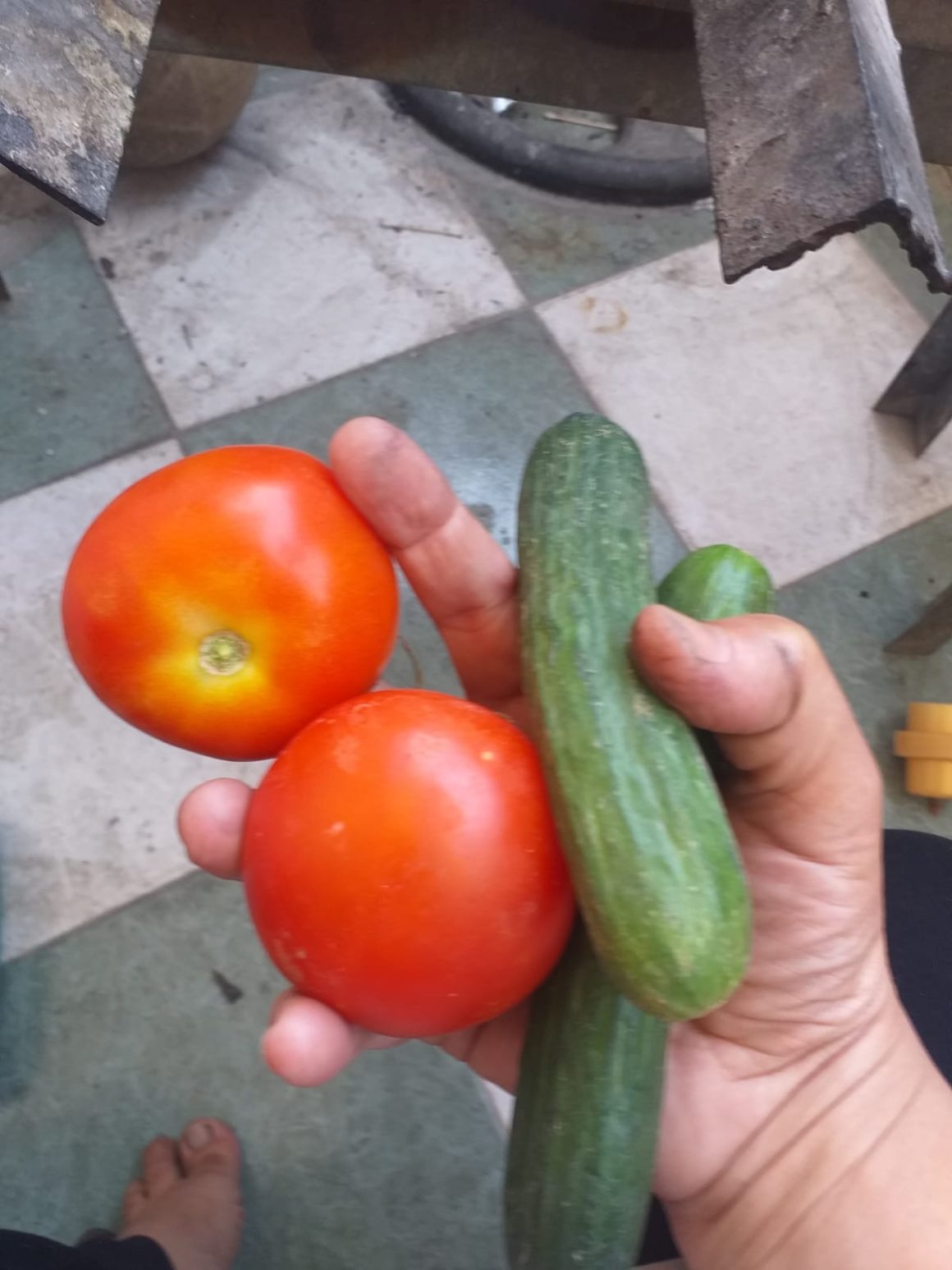
“Sometimes I buy one cucumber and two or three tomatoes,” Nuha says. “I divide them into small pieces so everyone can have something. That’s all we eat in a day.”
Under famine and airstrikes, the idea of marking Eid al-Adha by sacrificing animals feels surreal. While Muslims elsewhere prepare new clothes and festive meals, Gaza marks Eid in silence and pain.
What was once a holiday of family reunions, grilled meat, and children’s laughter is now a ghost of memory. This is Gaza’s fourth Eid under Israeli bombardment. Joy has been replaced by mourning, and homes once filled with relatives now lie in rubble.
“There is nothing left to sacrifice but ourselves,” Nuha says. “The bombing doesn’t stop. Neither does the sound of our growling stomachs, or our children’s.”
Nuha lives in northern Gaza with four of her children and several grandchildren. Her youngest son, ten-year-old Mohammed, was evacuated to Egypt with his father.
“He’s my spoiled little one,” she says softly. “He loved the Eid atmosphere. He still tells me: ‘Mom, I wish I could go back and bring back those days’.”
Buried joy
Nuha’s memories of Eid lie buried beneath the rubble, thick with grief.
“Before the war, our life was simple, peaceful. Eid al-Adha was pure joy,” she recalls. “We’d make cookies – maamoul, petit fours. On the first day, everyone visited. There was laughter, Eidiya for the kids, and grilled meat in the yard.”
Her husband, who worked at an auto company, always made time for the family. They would gather at her sister’s house, share meals, and celebrate together. “We had everything: food, safety, each other.”
That life is gone. Now, there’s no electricity, no clean water, and barely enough food to survive.
“There’s nothing in the house except salt,” she says. “We eat one small meal a day. The rest of the time we’re just searching for something – anything – to keep us going.”
Nuha’s granddaughter Alma is too young to understand war. But she cries all day from hunger. There’s no milk. No diapers. Just the constant question: how to feed her?
Her 12-year-old daughter, Mayar, once full of joy during Eid, now stays silent.
“I ask if she’s hungry, and she says no. But I know she is,” Nuha says. “She doesn’t complain because she knows there isn’t enough.”
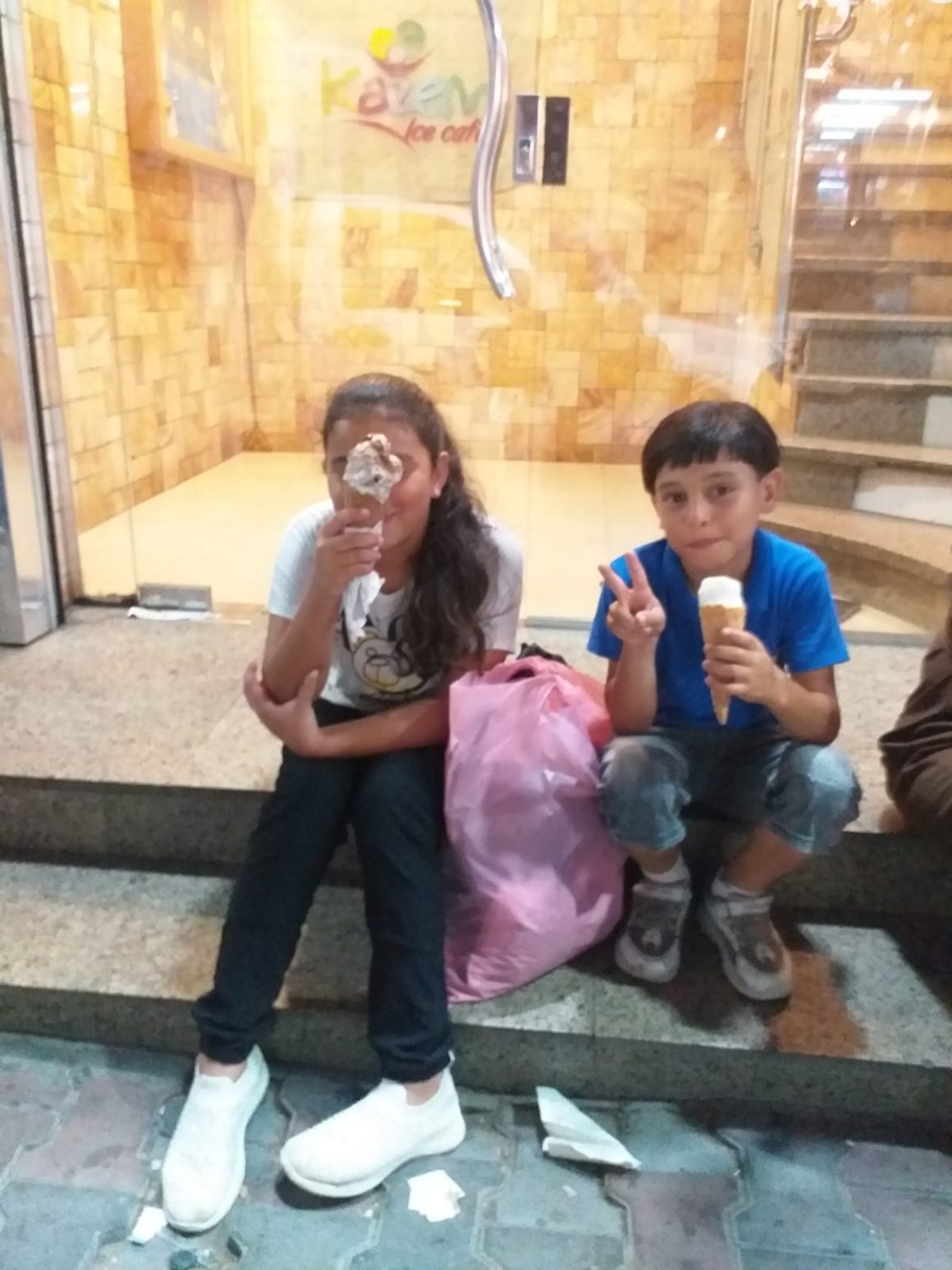
Eid under war means no visits, no celebration – only prayers for survival.
“The children are terrified by the shelling,” Nuha says. “All I can do is make dua and ask Allah to protect us.”
Her sister, Samar Abu Elouf, now evacuated to Doha, carries the weight of separation.
‘There is no Eid while my family starves‘
“There’s no Eid without family,” says Samar, an award-winning photojournalist from Gaza. “There’s no Eid while my family suffers from hunger and the threat of death.”
Her entire family – parents, sisters, brothers, uncles – remain in Gaza. Reaching out fills her with guilt.
“I can’t offer them anything. I just cry or check constantly to make sure they’re still alive.”
Samar once captured joyful Eid scenes in Gaza – children in new clothes, families embracing. Now, her camera has recorded more dead children than she ever imagined.
“Every picture I take feels like a knife in my chest,” she says.
Though comforted by being among other evacuated Palestinians in Doha, “a small version of Gaza”, nothing replaces her mother’s touch or the sound of her family around her.
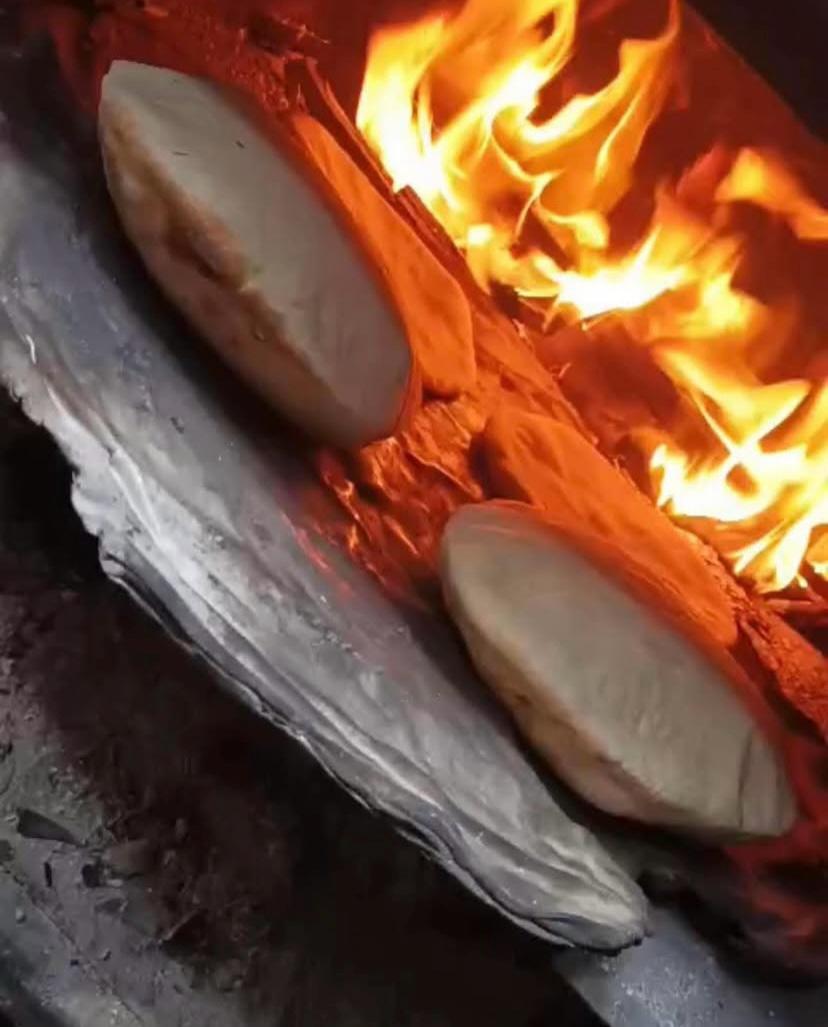
Her family back home has resorted to baking bread from pasta flour. When even that runs out, they survive on cucumbers and tomatoes. “My sisters can barely stand from hunger,” she says. “There’s no flour, no sugar, no fuel.”
Cooking over firewood has become routine. The smoke harms their lungs. Their energy is gone.
“They’re weak, exhausted. Their bodies can’t cope.”
“May you never know our pain”
Despite everything, Nuha and Samar hold onto something that survives war: love, memory, and hope.
“Eid has become a lump in the heart,” says Samar. “Happy memories hurt more than sad ones. But we hold on. Because we still dream of returning home.”
Often, Nuha denies herself even a mouthful so her children can eat.
“We see people celebrating Eid around the world,” she says. “We just pray that no one else has to live what we’re going through.”
Her final words are quiet, resolute:
“May blessings surround you all, always.”