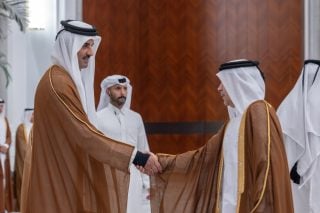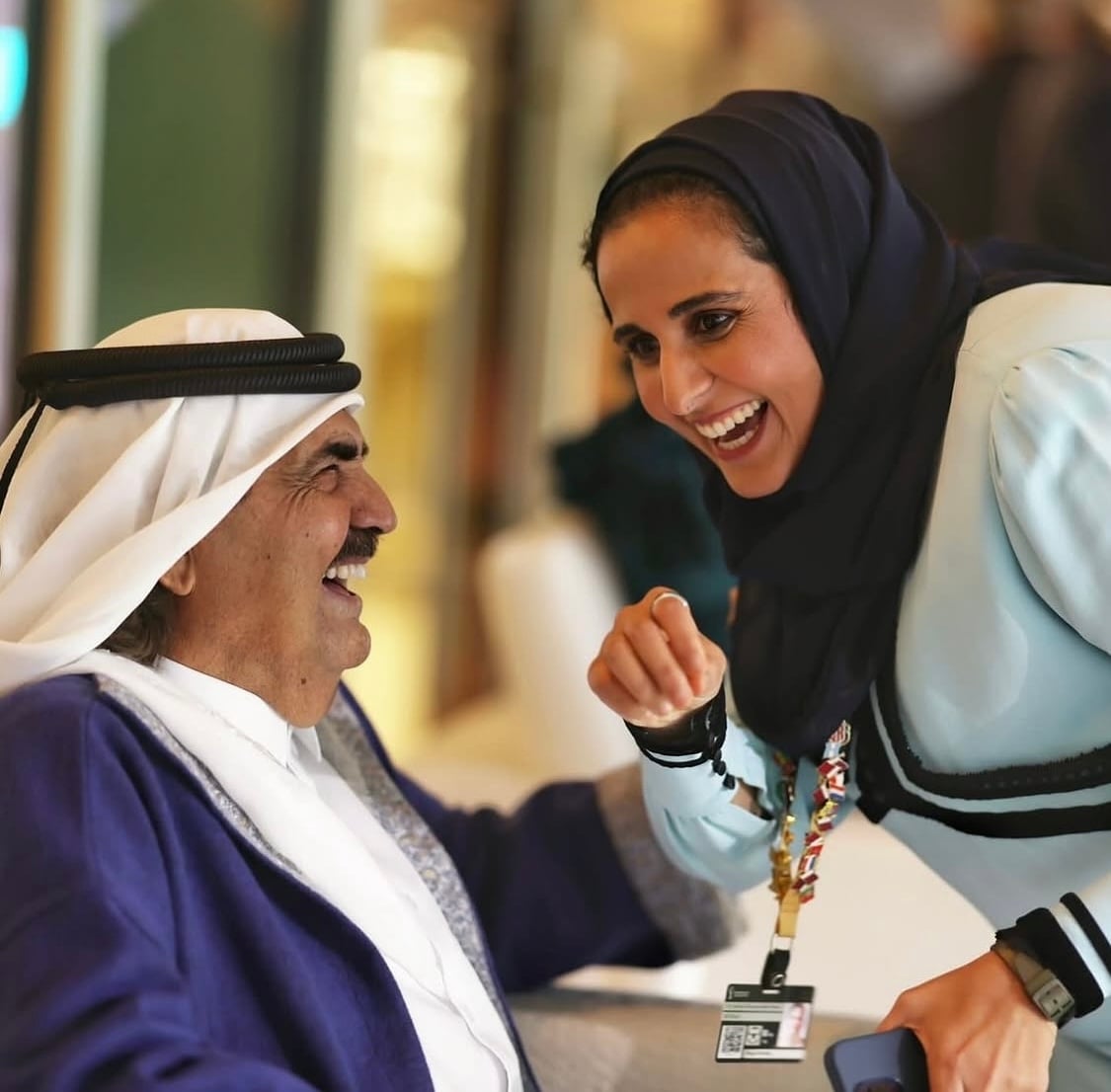
Sheikha Al Mayassa bint Hamad bin Khalifa Al Thani has shared a deeply personal tribute to Father Amir Sheikh Hamad bin Khalifa Al Thani, reflecting on his leadership, his guiding principle that “the measure is Qatar”, and the values that shaped modern Qatar.
In a heartfelt tribute published by Al Jazeera English, Sheikha Al Mayassa bint Hamad bin Khalifa Al Thani reflected on the life, leadership and enduring legacy of Father Amir Sheikh Hamad bin Khalifa Al Thani, describing how his guiding principle, “The measure is Qatar”, shaped both his vision for the nation and her own life.
Sheikha Al Mayassa wrote that the phrase had no direct literal translation, but embodied the belief that everything should be done for the benefit of Qatar rather than for personal recognition or gain.
“It means that whatever is done is done for Qatar – not for personal gain, recognition, or ego, but for the benefit of the nation and its people,” she wrote.
She described the phrase as “the compass that guides me in all I do”, explaining that it was a principle she had learned from her father, whom she affectionately called “Yuba”, and who devoted every aspect of his life to serving Qatar.
“He put his country and his people before himself,” she wrote, adding that his vision was rooted in the belief that “Qatar deserves the best.”
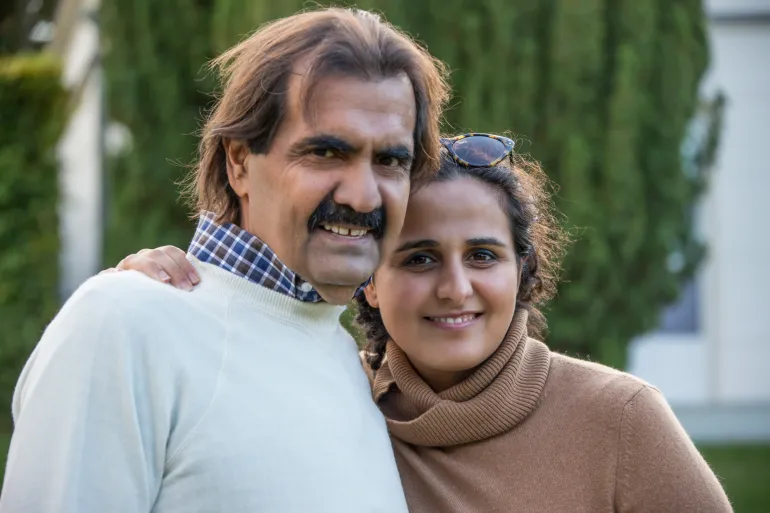
[Image: Rik Van Lent via Al Jazeera English]
A vision for Qatar
Reflecting on the Father Amir’s leadership, Sheikha Al Mayassa said he transformed ideas that once seemed unattainable into realities that inspired generations of Arab talent.
She wrote that under his leadership, projects that had once seemed like distant dreams became institutions that nurtured creativity across the Arab world, recalling that many people had told her “it was only in Qatar that they felt proud to be Arab”.
She also reflected on his decision to step down from power, describing it as another expression of his belief that “the measure is Qatar”.
She wrote that his objective had always been to transform the country “from poverty into a strong economy that prioritised the human soul above all else”, before entrusting a younger generation with carrying that vision forward.
Recalling their final moments together, she said the Father Amir had spoken of how proud he was of Amir Sheikh Tamim bin Hamad Al Thani, adding that she later understood his abdication, “however unusual for our region”, had been “intuitively the right thing to do”.
Lessons from a father
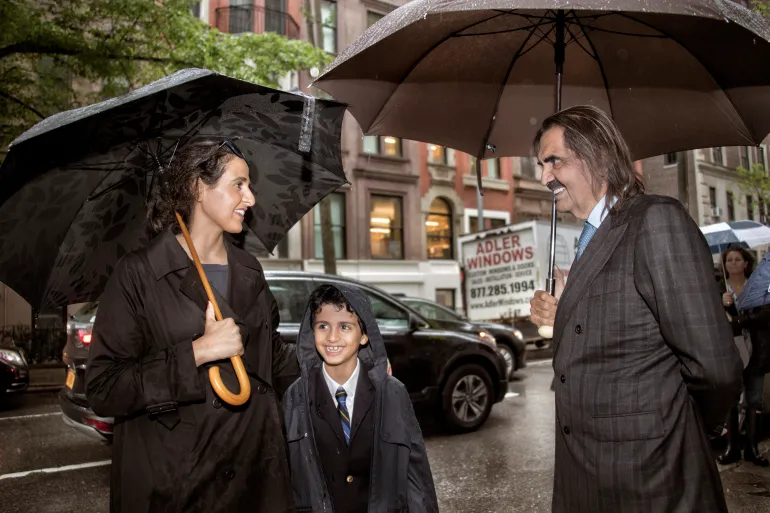
[Image: Rik Van Lent via Al Jazeera English]
Remembering her upbringing, Sheikha Al Mayassa said her father empowered her just as he did her brothers, never allowing her to believe there were limits to what she could achieve.
She wrote that he taught her “to swim, to dive, to drive, to play cards, to play tennis, to travel, to love, to laugh, to live – and, most importantly, to give.”
She described him as both “strong and sensitive”, recalling his instinct for recognising talent, his willingness to trust others with responsibility and what she considered his greatest gift: “the way he listened and cared.”
She also reflected on beginning to work alongside her father after graduating from university in 2005, describing his relentless energy and his conviction that culture was central to Qatar’s development.
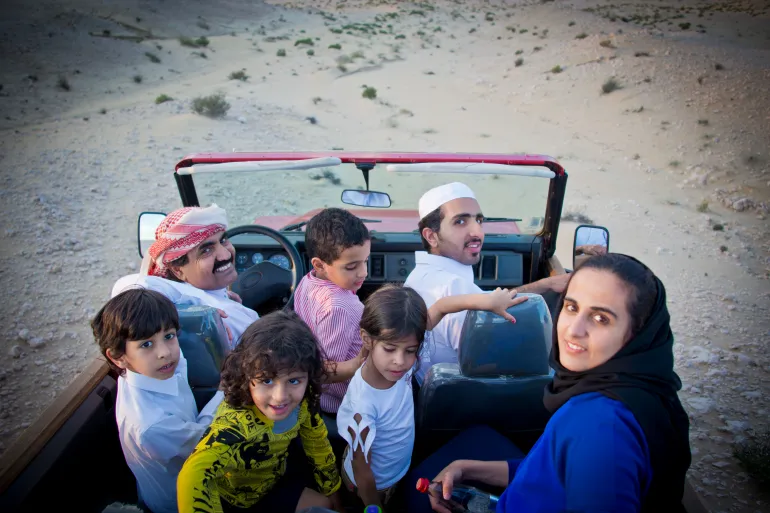
[Image: Rik Van Lent via Al Jazeera English]
Recalling being asked to lead the Museum of Islamic Art at the age of 23, she said that after its opening he immediately turned his attention to the future, asking: “What is the next museum we are opening?”
To him, she wrote, cultural infrastructure was “a socioeconomic catalyst, a driver of quality of life and human development.”
Abolishing censorship and creating Al Jazeera
Among the achievements she highlighted most prominently was her father’s decision to abolish censorship and create Al Jazeera.
“I believe this was his proudest achievement, not just for Qatar, but for the Arab world as a whole,” she wrote.
She said he wanted to elevate the lives of Arabs by empowering their voices across media, education, culture, film and sport, while believing that dialogue—not confrontation—was the path to resolving conflict.
According to Sheikha Al Mayassa, every major decision was guided by Qatar’s interests rather than personal preference because “Qatar deserved the best, and whatever needed to be done had to be done in the best way possible.”
A leader close to his people
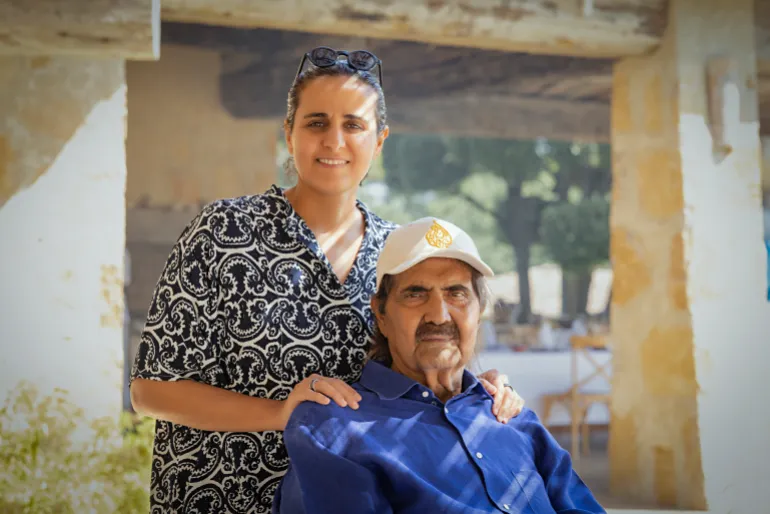
Beyond public life, Sheikha Al Mayassa remembered her father as someone who remained deeply connected to ordinary people, recalling how he would spend afternoons driving through neighbourhoods and sometimes stopping to visit families in their homes.
She described him as a devoted husband, father and grandfather whose values at home reflected those he expected in public life, saying he was generous with his time, endlessly curious and made everyone around him feel valued.
Despite his international stature, she wrote that he often introduced himself simply as “Hamad”, leaving a lasting impression through “his infectious smile and warm brown eyes.”
[Image: Rik Van Lent via Al Jazeera English]
‘Love and legacy’
Concluding her tribute, Sheikha Al Mayassa wrote that “when death arrives, it strips away everything but love and legacy.”
She said the mourning witnessed in Qatar had revealed what she considered her father’s greatest achievement: “A nation united in grief by mourners from near and far.”
Calling on Qataris to honour his memory, she urged them to remain united, disciplined and committed to serving the country, encouraging everyone to strive to make “the impossible possible” while remaining “humble, kind, generous, and hospitable”.
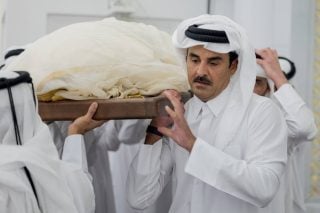
Father Amir Sheikh Hamad bin Khalifa Al Thani died on Sunday at the age of 74.
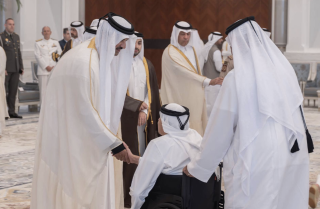
Qatar observed four days of national mourning, while heads of state, monarchs and senior officials from across the world travelled to Doha to pay their respects during three days of official condolences at Lusail Palace.