A Qatari diplomat has rejected an Israeli analyst’s claim that Qatar halted LNG production as part of a plan with Iran, calling the allegation “blatant disinformation” and saying the shutdown followed Iranian drone strikes on energy facilities.
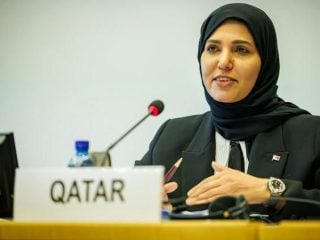
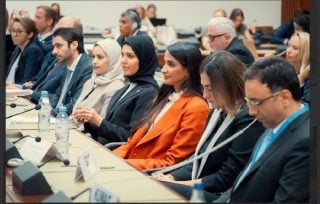
Hamad Al-Muftah, deputy chief of mission at the Qatari embassy in Washington, DC, has slammed Israeli political analyst Amit Segal for spreading “blatant disinformation” and attempting to demonise Qatar.
Segal had alleged in a Substack newsletter on Thursday that Qatar’s decision to halt liquefied natural gas (LNG) production was part of a broader plan involving Iran aimed at influencing the course of the U.S.-Israeli war on the Islamic Republic and pressuring the United States.
Al-Muftah dismissed the claim in a post on X on Thursday, saying the analyst’s remarks either amounted to an attempt to demonise Qatar or reflected a “complete lack of understanding of geopolitics and regional conflict”.
“This is just blatant disinformation. I can only assume one of two things. Either you simply want to demonise Qatar, plain and simple, and don’t care about the consequences. Or you have a complete lack of understanding of geopolitics and regional conflict,” Al-Muftah said.
On March 2, Qatar’s Ministry of Defence announced that two Iranian drones had targeted a water tank and an energy facility in the country.
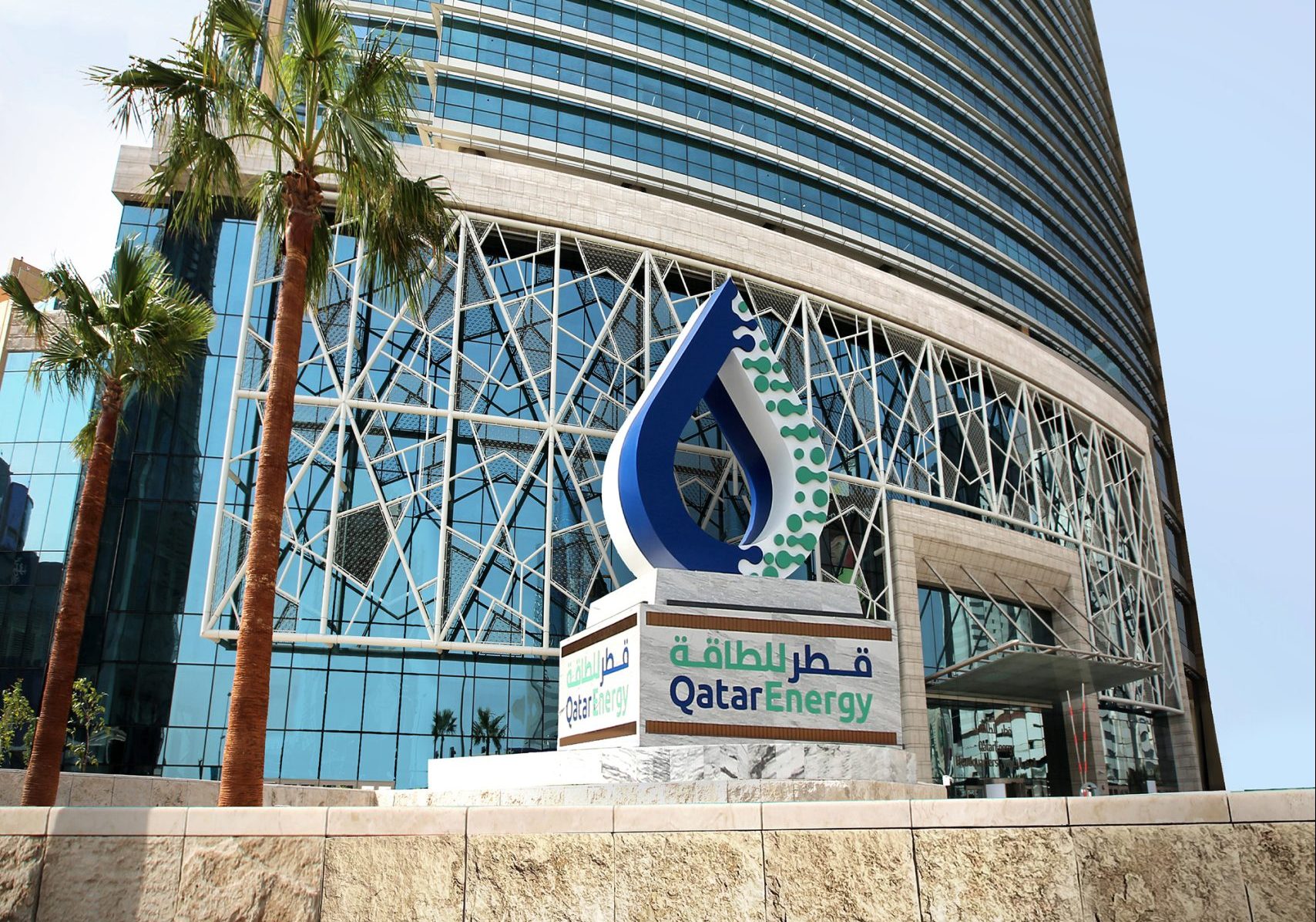
One drone struck a water tank belonging to a power plant in Mesaieed, while the other targeted an energy facility in Ras Laffan Industrial City belonging to QatarEnergy. No casualties were reported.
At the time, the ministry said that “all damages and losses resulting from the attack will be assessed by the relevant authorities, and an official statement will be issued later”.
Following the attack, QatarEnergy halted LNG production and associated operations as a precaution. On March 4, the company declared force majeure to affected buyers.
Responding to Segal’s allegations, which disregarded the facts surrounding the attack, Al-Muftah said the shutdown was the safest course of action.
He noted that “restarting the trains is much easier to do than rebuilding an entire facility blown up in a strike”.
“Where did you think the gas was going to go? We put the gas on ships, and ships need to sail. Have you not seen the news about what’s happening to ships in the Strait of Hormuz as a result of this conflict? The ships can’t pass,” Al-Muftah said, questioning the analyst’s claims.
The Qatari diplomat, who has repeatedly tackled disinformation campaigns targeting Qatar online, added that US President Donald Trump had reacted angrily to the attacks on the Gulf state.
“No one wants a global energy crisis. You do realise we don’t make any money if the gas isn’t flowing, right? I think my argument is pretty clear and sound. Unlike yours,” Al-Muftah said.
“Do your research or just admit you’re interested in publishing disinformation,” he added.
Meanwhile, a Qatari official also rejected Segal’s remarks in a statement obtained by Doha News on Thursday.
The official accused media figures close to Israeli Prime Minister Benjamin Netanyahu of promoting narratives aimed at creating friction in the region and drawing additional countries into the conflict.
The official also rejected a pattern of misinformation in recent days, including claims circulated in Israeli media that Qatar had attacked Iran.
“It is no surprise that unofficial mouthpieces of Prime Minister Netanyahu are attempting to exploit this period of global instability to sow further tension and division across the region,” the official said.
He added that Netanyahu had for more than two years pursued a regional agenda that had “fuelled conflict and chaos in pursuit of his own political interests”.