A new analysis says the U.S. spent about $3.7bn in the first 100 hours of its war on Iran, driven largely by the cost of munitions and missile strikes.
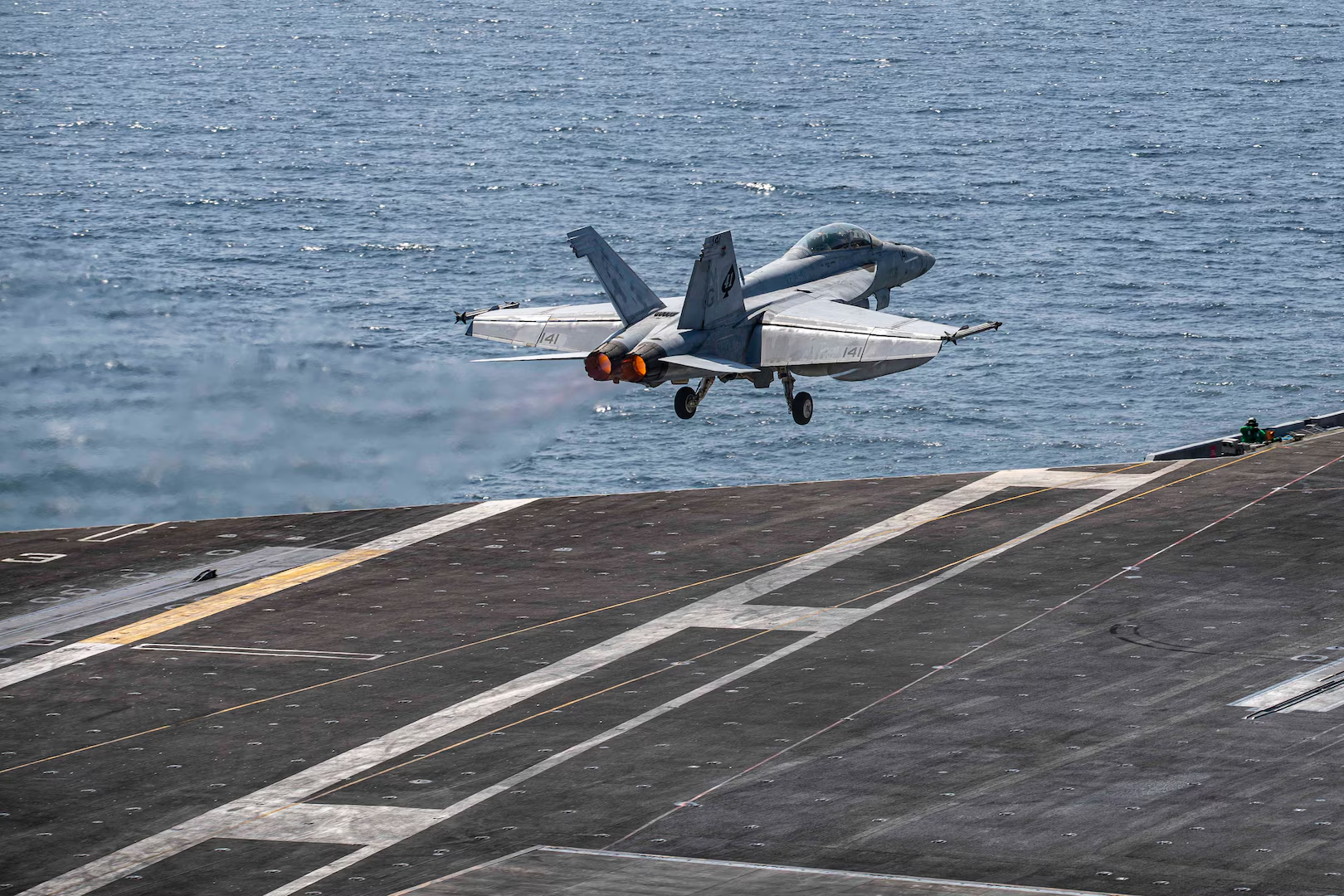
A new analysis by the Center for Strategic and International Studies (CSIS) estimates that the United States spent roughly $3.7bn in the first 100 hours of its ongoing war on Iran, highlighting the immense financial cost of the rapidly escalating conflict.
The assessment comes as the U.S.-Israeli campaign against Iran enters its seventh day, raising concerns about the long-term economic and political consequences for Washington if the fighting continues.
Nearly $900m spent per day
According to the CSIS study authored by defence analysts Mark Cancian and Chris Park, the opening phase of the war cost Washington an estimated $891.4m per day.
accounted for in the Pentagon’s current budget.
“The first 100 hours (H+100) of the operation are estimated to cost $3.7bn, or $891.4m each day,” the researchers wrote.
They added that around $3.5bn of the spending was not previously budgeted, meaning the U.S. Department of Defense will likely need to request additional funds from Congress.
Weapons and missile defence driving costs
The study found that most of the cost stems from replacing weapons and munitions used during the early phase of the war, rather than day-to-day operational expenses.
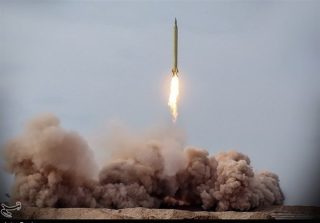
Researchers estimate that the United States fired more than 2,000 munitions of various types during the first 100 hours of the conflict.
Replacing those weapons could cost about $3.1bn, the analysis said.
The report notes that costs vary widely depending on the weapons used.
“A Tomahawk missile costs about $3.6m, while a JDAM precision-guided bomb costs roughly $80,000,” the researchers said.
Unbudgeted costs could force funding request
The analysts warned that the scale of unplanned spending means the Pentagon will likely need to seek additional funding from Congress in the near future.
“The unbudgeted costs here will be substantial,” the report said, noting that internal budget cuts large enough to cover the war would be politically and operationally difficult.
The report suggests the Trump administration may need to request a supplemental funding package, similar to those approved by Congress during the early stages of the wars in Iraq and Afghanistan.
Any such request could become a focal point for political opposition to the war, particularly as rising energy prices and cost-of-living pressures affect U.S. voters.
War costs expected to rise
U.S. Defense Secretary Pete Hegseth has indicated the military campaign could intensify in the coming days, warning that the bombardment of Iran is “about to surge dramatically”.
Researchers said that although air campaigns typically slow after the intense opening phase, the overall cost of the war is likely to keep rising.
Reporting from Washington also indicates the Pentagon may be preparing a $50bn supplemental budget request to replenish missile stockpiles and replace equipment used during the first week of the conflict.