Qatar and Türkiye called for regional de-escalation as US-Iran talks resumed and Trump insisted negotiations must continue despite Israeli pressure.
Qatar and Türkiye renewed calls for regional and international efforts to reduce tensions during high-level talks in Ankara on Wednesday, as Washington and Tehran cautiously re-engage in negotiations over Iran’s nuclear programme.
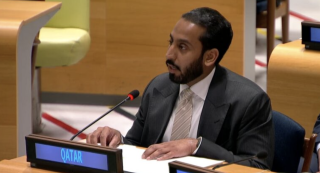
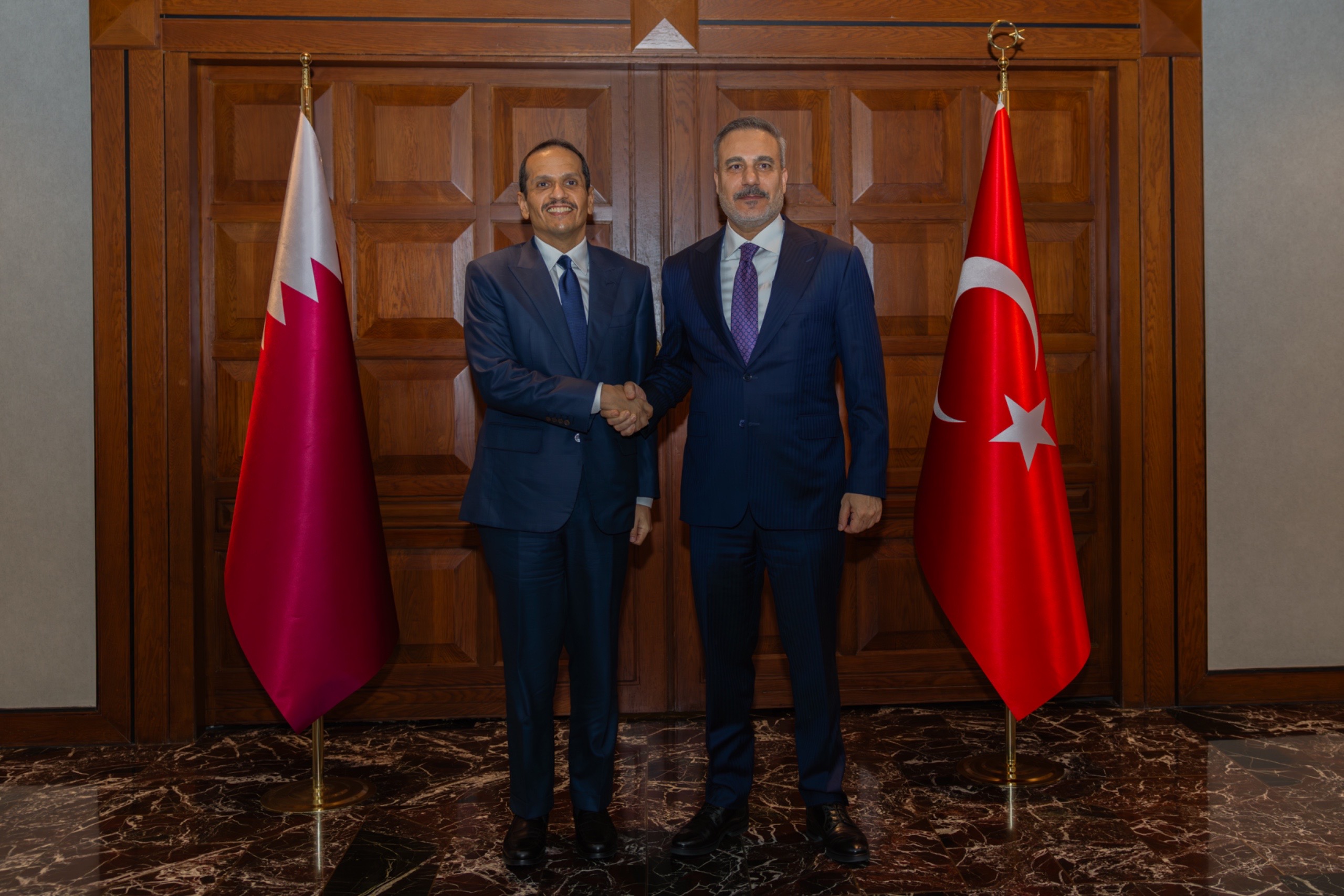
Qatari Prime Minister and Foreign Minister Sheikh Mohammed bin Abdulrahman bin Jassim Al Thani met Turkish Foreign Minister Hakan Fidan in the Turkish capital, where the two reviewed bilateral cooperation and discussed the latest regional developments.
According to official statements, both sides stressed the importance of intensifying diplomatic efforts to reduce tensions through dialogue and peaceful means, amid renewed uncertainty surrounding Iran’s nuclear file.
Indirect negotiations between Washington and Tehran resumed in Oman last week, following months of military signalling that included the deployment of a U.S. naval flotilla to the region.
President Donald Trump has said he is considering sending a second aircraft carrier to the Middle East, even as talks proceed.
In an interview with the Financial Times published on Thursday, Fidan said both Washington and Tehran were “demonstrating flexibility”.
He suggested the United States appeared willing to tolerate limited Iranian uranium enrichment within clearly defined parameters.
“It is positive that the Americans appear willing to tolerate Iranian enrichment within clearly set boundaries,” Fidan said, adding that both sides now recognise each other’s limits.
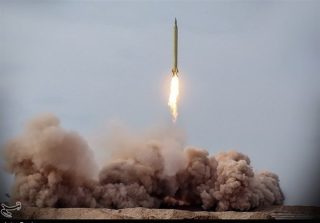
He also warned against expanding negotiations to include Iran’s ballistic missile programme, saying such a move would bring “nothing but another war”.
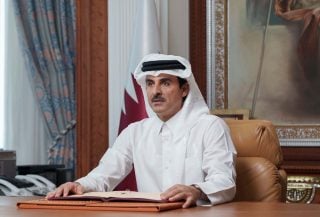
On Wednesday, Qatar’s Amir Sheikh Tamim bin Hamad Al Thani discussed regional de-escalation in a phone call with Trump, focusing on efforts to strengthen security and resolve crises through dialogue.
Later the same day, the Amir met Ali Larijani, head of Iran’s Supreme National Security Council, in Doha, with Sheikh Mohammed also present.
The talks addressed regional developments and efforts to reduce escalation.
Meanwhile, in Washington, Trump met on Wednesday with Israeli Prime Minister Benjamin Netanyahu, who had rushed to the U.S. in a sudden visit widely seen as an attempt to influence the course of the Iran negotiations.
After nearly three hours of talks, Trump said “nothing definitive” had been agreed other than his insistence that negotiations with Iran continue “to see whether or not a deal can be consummated”.
While Trump said a diplomatic agreement remained his preference, he warned that if no deal were reached, “we will just have to see what the outcome will be”.
Netanyahu, who has long pushed for a tougher U.S. stance, including curbs on Iran’s ballistic missile programme and regional alliances, said the two leaders discussed Israel’s “security needs” in the context of the negotiations.