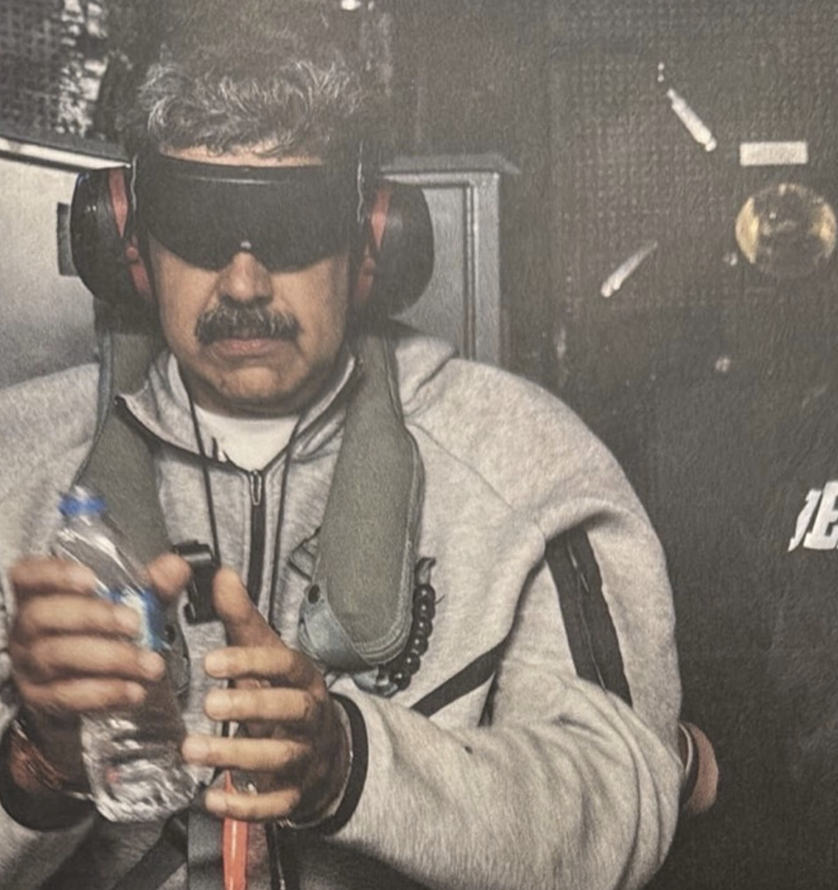
Trump confirmed that Maduro and his wife will soon face “the full force of American justice” and stand trial in the United States.
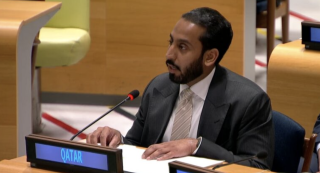
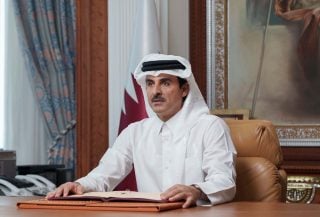
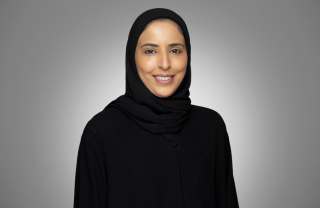
Qatar has expressed deep concern over the latest developments in Venezuela, calling for restraint and de-escalation, and urging all parties to pursue dialogue as the primary means of resolving outstanding issues.
Qatar’s Ministry of Foreign Affairs, in a statement on Saturday, reaffirmed the country’s commitment to the United Nations Charter and established principles of international law, emphasising the obligation to resolve international disputes through peaceful means.
The Ministry also reaffirmed Qatar’s readiness to support any international initiative aimed at securing an immediate peaceful resolution, emphasising its commitment to maintaining open channels of communication with all parties involved.
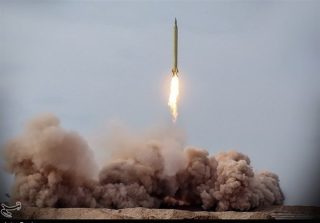
On Saturday, U.S. President Donald Trump held a press conference alongside senior officials, including Secretary of State Marco Rubio and Secretary of Defense Pete Hegseth, following a U.S. military operation in Venezuela. Trump described the operation as a “large‑scale strike” that led to the capture of Venezuelan President Nicolás Maduro and his wife, Cilia Flores.
Trump told reporters that the operation, executed in conjunction with elite U.S. special forces including Delta Force, had been “one of the most stunning, effective and powerful displays of American military might and competence in American history”.
Confirming Maduro’s capture and removal from Venezuelan soil, Trump said the United States had “successfully carried out a large‑scale strike against Venezuela and its leader,” adding that both Maduro and his wife had been captured and flown out of the country and were being transported aboard the USS Iwo Jima, with plans to bring them to New York to face charges.
He claimed that “all Venezuelan military capacities were rendered powerless” during the operation and added that “not a single American service member was killed,” though some sustained injuries.
Trump gave the order for the operation at 10:46 pm on January 2 [03:46 GMT, January 3], after months of preparation. Over 150 U.S. aircraft were deployed to support the interdiction force targeting Maduro’s compound in central Caracas.
In his remarks, Trump framed the intervention as necessary to “bring [Maduro] to justice,” pointing to long‑standing U.S. indictments against the Venezuelan leader dating back to 2020 on charges including narco‑terrorism and drug trafficking.
Trump stressed that the U.S. would “run the country until such time as we can do a safe, proper and judicious transition,” making clear that American involvement in Venezuela’s governance would continue until a new leadership structure is established.
Trump also issued stern warnings to other Venezuelan political and military figures, saying the operation “should serve as a warning to anyone who would threaten American sovereignty or endanger American lives”. He added, “the American armada remains poised, in position, and the US retains all military options until the U.S.’s demands have been fully met and fully satisfied,” Trump said.
“All political and military figures in Venezuela should understand that what happened to Maduro could happen to them and it will happen to them if they aren’t just, fair, even to their people,” he warned.
Rubio, echoing the president’s comments, said, “when Trump says he’s serious about something, he means it,” while Hegseth declared that “America can project our will anywhere, anytime,” praising the precision and coordination of the forces involved.