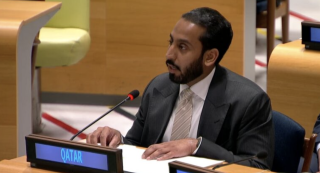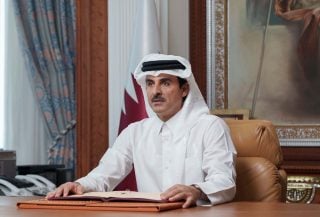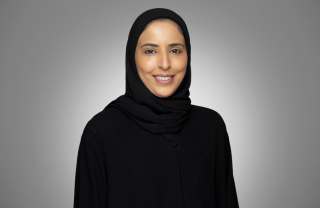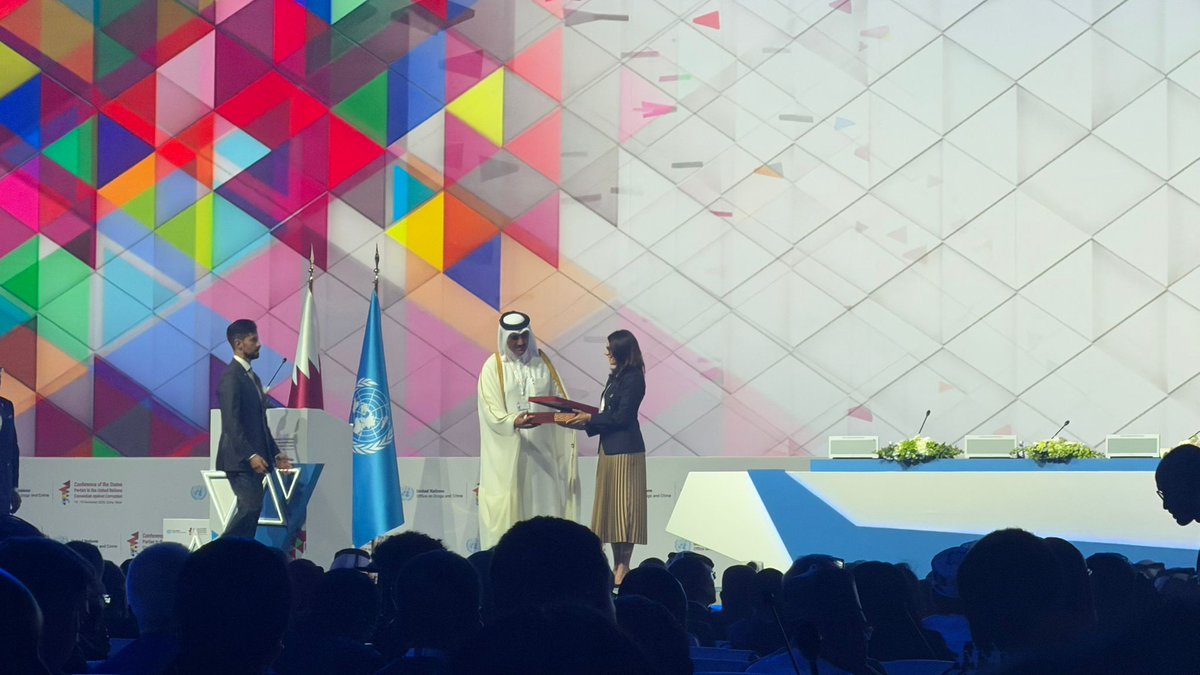
The conference, running from 15 to 19 December, brought together more than 2500 participants from around the world to discuss strengthening global cooperation, combating corruption, and promoting integrity and transparency.
The 11th session of the Conference of the States Parties to the United Nations Convention against Corruption (UNCAC) has officially begun in Doha, bringing together world leaders and anti-corruption experts to reinforce global integrity efforts.
The opening session of the conference was was attended by Qatar’s Minister of Interior and Commander of the Internal Security Force Lekhwiya, Sheikh Khalifa bin Hamad Al Thani, and Sheikh Saoud bin Abdulrahman bin Hassan Al Thani, Deputy Prime Minister and Minister of State for Defence Affairs.
The session also saw high-level attendance from heads of state, law enforcement leaders, and officials from integrity and anti-corruption bodies, alongside representatives of civil society, the private sector, and youth organisations.
As corruption remains one of the foremost challenges of the 21st century, with far reaching social, economic, and political consequences, Secretary-General António Guterres highlighted during his opening speech, “corruption is not a victimless crime. It fosters conflicts, entrenches inequalities, and drains the resources needed to protect people and the planet. Every dollar lost to economic crime is a dollar stolen from those striving for a better future”.
“This conference is about shaping tomorrow’s integrity, because in our rapidly evolving world, corruption is evolving too. Emerging technologies like artificial intelligence have the potential to accelerate corruption, but also to help us detect and prevent it. But this requires regulation and accountability. It also requires us to work together across government, the private sector, and civil society,” Guterres added.
The UNCAC provides the only legally binding framework for combating corruption worldwide, covering preventive measures, criminalisation and law enforcement, international cooperation, asset recovery, and technical assistance.
It’s mechanisms are essential for identifying gaps, advancing reforms and reinforcing trust in public institutions.
The president of the UN General Assembly Annalena Baerbock underscored the consequences of corruption in everyday life, noting, “when building codes are bypassed through corrupt shortcuts, unsafe structures rise and then collapse, resulting in lives lost. When corporate bribery spreads unabated, wealth is siphoned to a privileged few, while economies grow uneven, unstable, and bereft of public trust. And when corruption affects the legal system, cases are mishandled, justice is delayed or denied, and victims are silenced”.
She stressed that tackling corruption is a shared responsibility, declaring, “preventing and ultimately eradicating corruption is a duty we share. We owe it to the people we serve”.
Qatar’s Administrative Control and Transparency Authority (ACTA), the organiser of the conference, has emphasised that the event is a forum to strengthen international cooperation and build capacity, particularly in developing countries.
Hamad bin Nasser Al Misnad, President of ACTA, stressed that Qatar’s hosting of this conference embodies its deep commitment to strengthening multilateral action and consolidating good governance, in line with Qatar’s National Vision 2030.
He highlighted that the conference features over 120 official side events and 12 draft resolutions under negotiation, alongside pre-conference activities such as the 5th Anti-Corruption Academic Forum, which this year is dedicated to exploring the role of artificial intelligence in anti-corruption efforts.
In addition, more than 2,500 participants are taking part in discussions focused on using technology and AI to fight corruption, addressing the links to economic and organised crime, and amplifying youth voices in shaping tomorrow’s integrity.
The conference also builds on Qatar’s national commitment to integrity through its recently launched National Strategy for Integrity, Transparency, and Anti-Corruption 2025-2030.
Al Misnad explained that the strategy is a forward-looking initiative that will reinforce citizen and resident confidence in state institutions and foster a culture of responsible work.
The strategy comprises 78 projects coordinated across 16 main entities and 35 supporting agencies, aiming to strengthen societal and institutional trust, raise public awareness – particularly among youth – and foster national and international partnerships.
Throughout the conference, discussions emphasised the need for adaptive approaches to combat corruption in an increasingly digital world.
Secretary-General Guterres noted, “emerging technologies like artificial intelligence have the potential to accelerate corruption, but also to help us detect and prevent it. But this requires regulation and accountability. It also requires us to work together across government, the private sector, and civil society”.
Experts at the event highlighted that successful anti-corruption efforts contribute to equitable wealth distribution, reinforce societal trust, and provide practical mechanisms to halt the exploitation and monopolisation of resources by a select few.