The U.S. has announced it would only fund reconstructions of areas in Gaza under Israeli control.
Jared Kushner, son-in-law to U.S. President Donald Trump, announced that U.S.-backed reconstruction efforts in Gaza will commence exclusively in regions under Israeli occupation.
He emphasised that “no reconstruction funds will be going into areas that Hamas still controls,” highlighting a strategic approach to rebuilding efforts.
The reconstruction plan envisions the establishment of a so-called “new Gaza,” featuring housing, employment opportunities, and essential infrastructure. Kushner described the initiative as a means to provide Palestinians with “a place to go, a place to get jobs, a place to live.”
Oversight of the reconstruction projects will be managed by a newly formed entity known as the “Board of Peace,” led by Trump. The board will review and approve all major reconstruction projects before their implementation.
The reconstruction efforts are part of a broader peace plan that includes the creation of an International Stabilisation Force (ISF).
This multinational peacekeeping force aims to provide security, train a new Palestinian police force, and oversee the demilitarization and redevelopment of Gaza.
The ISF is intended to facilitate Israel’s staged withdrawal from the territory and ensure long-term internal security.
Critics of the plan argue that the exclusion of Hamas-controlled areas from reconstruction efforts could exacerbate existing tensions and hinder the prospects for lasting peace.
Egyptian President Abdel Fattah al-Sisi announced on Sunday that his nation would host an international conference on Gaza reconstruction in November.
The conference aims to gather donor states, international organisations, and regional partners to coordinate post-war reconstruction in Gaza.
The United Nations recently estimated that approximately $70 billion will be required to reconstruct Gaza and ensure its safety following two years of Israeli genocide.
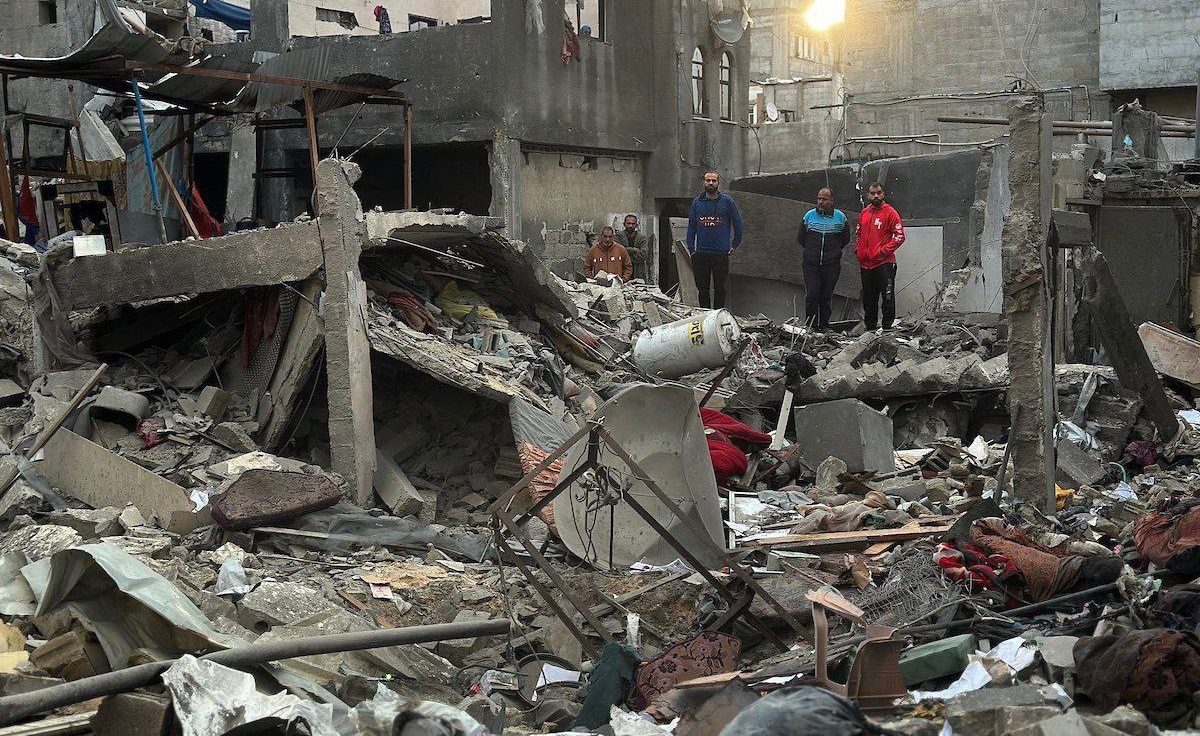
Data from the UN Satellite Center indicates that nearly 83% of buildings in Gaza City suffered damage, with schools, hospitals, and critical infrastructure also severely affected.