Julen Lopetegui finally finds redemption as Qatar secure a historic 2026 World Cup berth with a dramatic 2-1 win over the UAE, ending decades of near misses and personal heartbreak.
Even when the mood around him was one of uncertainty following a frustrating goalless draw against Oman, Julen Lopetegui appeared calm and assured.
Since taking charge of Qatar in May, the Spaniard had overseen a run of inconsistent performances but remained confident that his team could achieve their first World Cup qualification on merit.
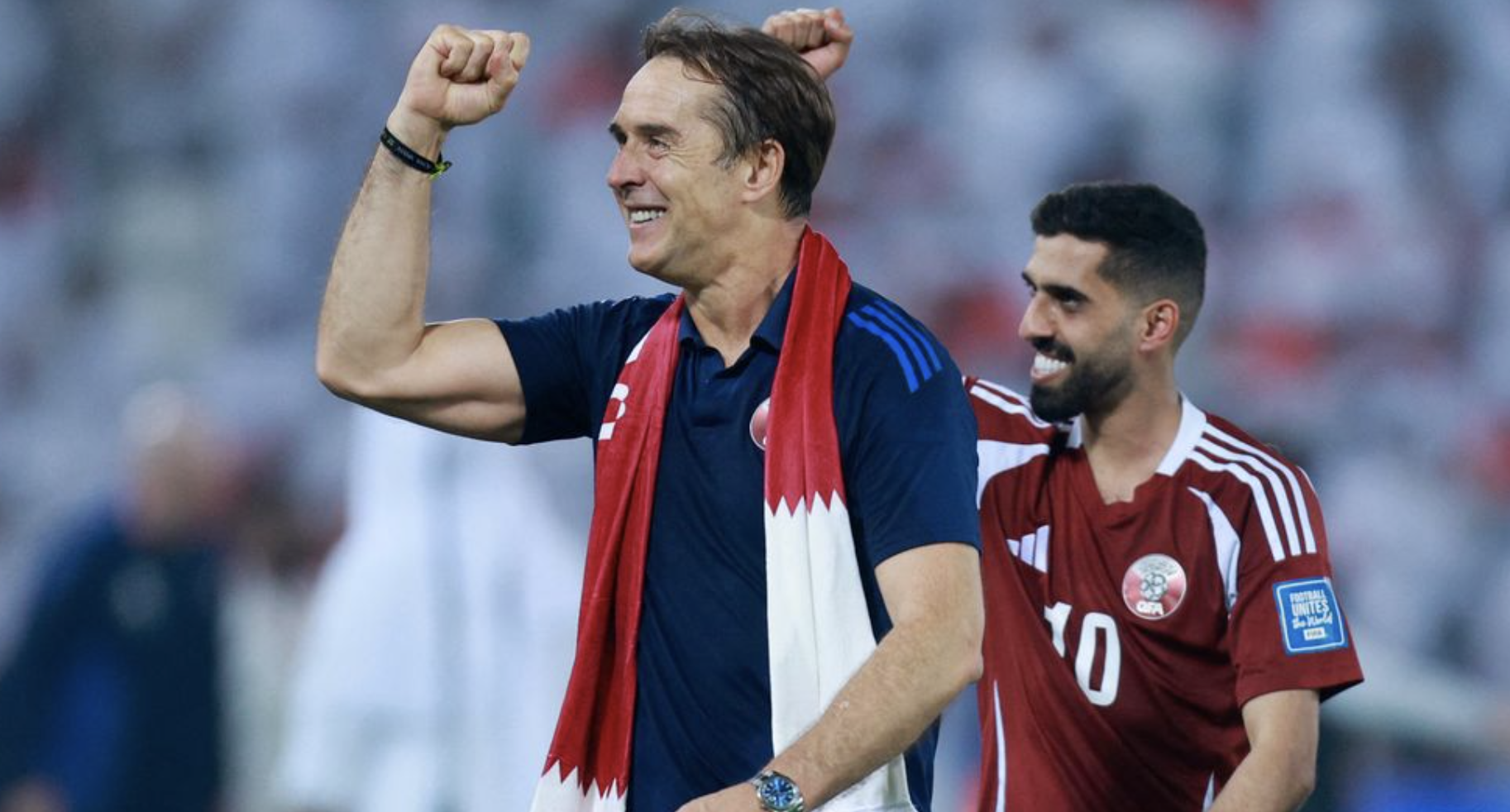
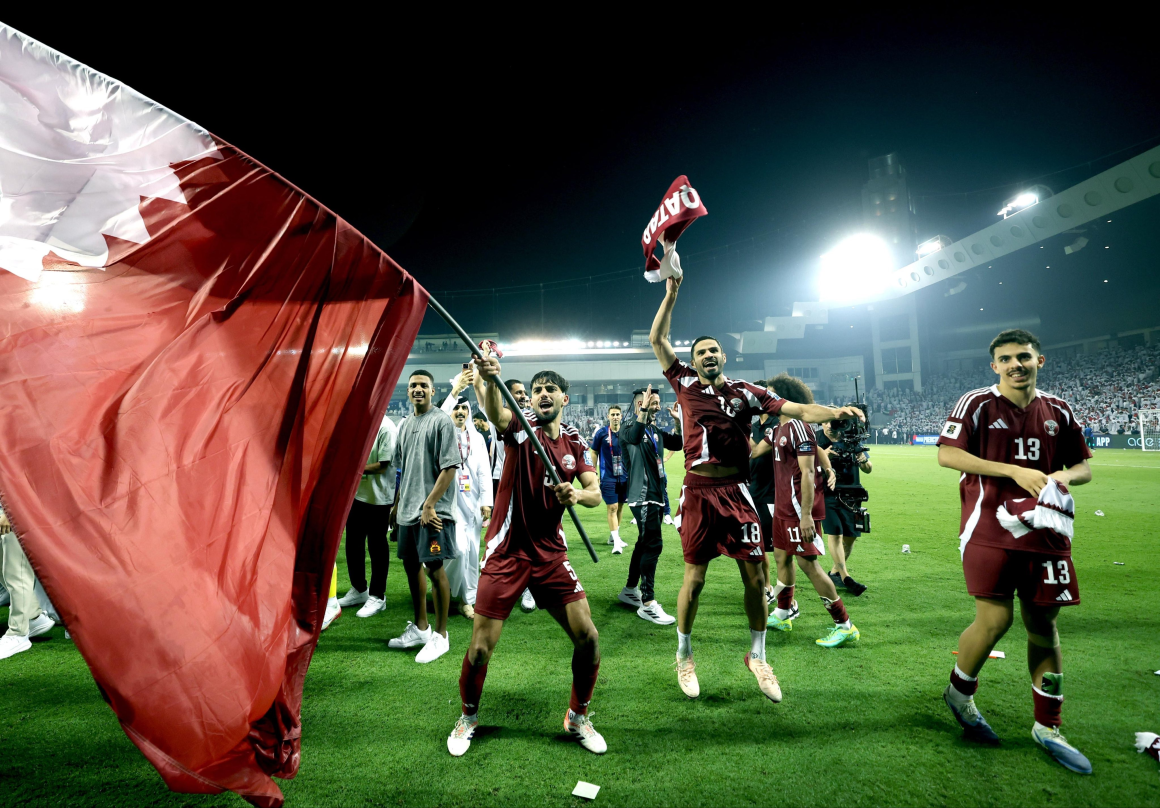
So when Al Annabi sealed their place at the 2026 tournament with a tense 2-1 win over the United Arab Emirates on Tuesday, Lopetegui’s relief was palpable.
Moments after the final whistle, the former Spain manager sprinted onto the pitch to celebrate with his players. Later, at Al Messila Resort, he was seen joining in the dance moves as the celebrations continued.
“This has to be the best day of my career as a coach,” Lopetegui said after the match.
“We’ve achieved our dream and are very happy for the country and the fans. Everyone did what was necessary. We overcame a difficult stage and qualified.”
Lopetegui had been typically pragmatic throughout the fourth round of qualifiers, intent on restoring composure to a side often unsettled by pressure.
“When you’re preparing for an important match, you want to be quiet and focus on football,” the former Real Madrid boss said before the opening fixture against Oman, defending his decision to keep team preparations private.
He repeatedly insisted that the magnitude of the task – World Cup qualification – was the ultimate motivator. On Tuesday, he credited that belief for pushing the team over the line.
“I always told [the players] that when you’re chasing a big dream, there’s a magical force that drives you, but you have to believe until you make it happen,” a visibly elated Lopetegui said.
After all, there are striking parallels between Lopetegui’s own World Cup journey and that of the team he now leads.
As a player, the 59-year-old was Spain’s third-choice goalkeeper at the 1994 World Cup and never featured in a match. As a coach, he was famously sacked on the eve of Spain’s 2018 opener after his move to Real Madrid was announced.
Qatar’s history has been similarly bittersweet. Their debut as hosts in 2022 ended with three defeats, while earlier qualification campaigns were marked by near misses.
They topped their group in the first round of the 1990 qualifiers but fell short by a single point; the UAE qualified instead. Eight years later, a 1-0 defeat to Saudi Arabia in Doha denied them another chance, with the Saudis heading to France 1998.
Heading into Tuesday’s game, the Emiratis needed a draw to progress, and after a goalless first half, it looked as though Qatar might again be on the brink of heartbreak.
But just four minutes into the second half, captain Boualem Khoukhi headed in Akram Afif’s free-kick to break the deadlock. Pedro Miguel doubled the lead soon after, also from an Afif delivery.
Although Sultan Adil pulled one back in stoppage time and Qatar played the final 15 minutes with ten men, they held firm to secure a historic qualification.
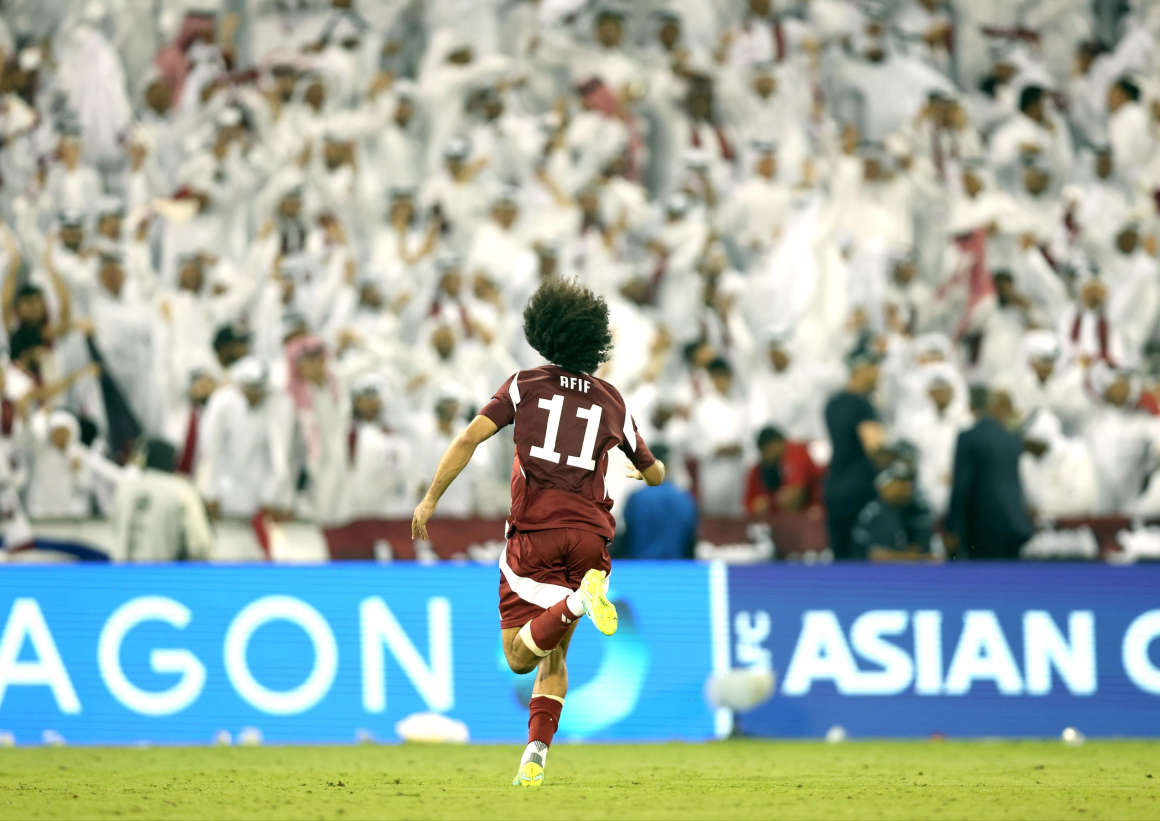
The significance of the moment was clear. Qatar’s Amir, Sheikh Tamim bin Hamad Al Thani, and the Prime Minister were among those to quickly congratulate the team and fans.
“I can’t describe the feeling,” Khoukhi said. “This generation deserves to qualify for the World Cup. No one was satisfied with our performance last time around, but now we’ve made up for it – and we’ll do better.”
The night wasn’t without controversy. Tensions among UAE fans, already high due to disputes over ticket allocations, spilt over after Qatar’s opening goal. Bottles and shoes were thrown at Qatari players and officials, with the situation worsening after Pedro’s goal.
“These are things that should never happen,” Lopetegui said of the clashes, which saw some Emirati supporters invade the pitch. “I love a passionate atmosphere – that’s football – but bottles on the pitch aren’t right. I understand the emotion, but we must avoid this.”
UAE coach Cosmin Olăroiu downplayed the incident, claiming “it happened on both sides” and suggesting Qatar used it to run down the clock.
“The problem is they kept interrupting the game,” he said. “It gave them time to rest and regroup. Otherwise, they could have been in trouble.”
Like Lopetegui, Olăroiu had been appointed late in the qualifiers in a bid to rescue his team’s campaign. The UAE will now face Iraq in a two-legged play-off in November for a place in the intercontinental qualifier, the winner of which will advance to the 2026 World Cup.
But for Lopetegui, except for an unexpected turn of events, revelling in World Cup experience will finally come true with a squad which will value it as much.