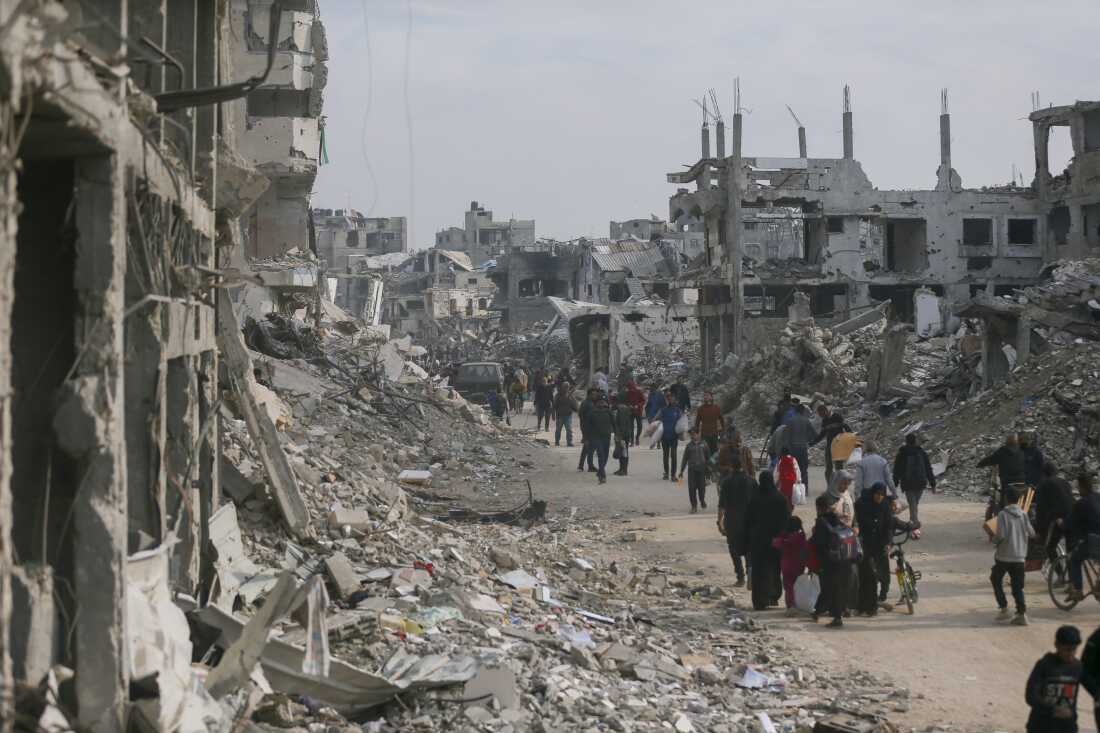
With the ceasefire holding and humanitarian aid beginning to enter Gaza, the world now turns its attention to the implementation of the second phase of the deal.
The release of Palestinian prisoners and detainees, along with Israeli captives, marked a significant step toward ending two years of genocide in Gaza.
After months of tense negotiations mediated by the U.S., Qatar, Egypt, and other regional actors, Israel and Hamas reached a first-phase agreement that included a ceasefire, the release of nearly 2,000 Palestinian prisoners as well as 20 living and four dead Israeli captives, and the delivery of humanitarian aid.
With these immediate objectives achieved, attention has now shifted to the deal’s second phase, which will address Gaza’s demilitarisation, governance, and future security arrangements.
Negotiations for phase two are expected to begin once the release of the captives has been completed.
The proposed strategy for Gaza’s future includes the dismantling of Hamas’s offensive capabilities, such as tunnels and military infrastructure.
The 20-point Gaza peace plan dictates that the Strip will be “a deradicalised, terror-free zone that does not pose a threat to its neighbours.”
It also offers amnesty to Hamas members who commit to peaceful coexistence, with safe passage provided for those choosing exile.
Additionally, a temporary international stabilisation force — comprising U.S., Arab, and European personnel — would be deployed to maintain security and assist in training a Palestinian police force, aiming to establish lasting peace and stability.
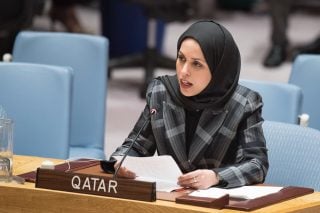
Qatar’s foreign ministry spokesperson, Majed Al-Ansari, told Fox News on Monday that the upcoming negotiations would be challenging.
“The next steps are going to be very difficult. We have delayed a lot of the discussions over stage two in order to make sure that stage one happens,” he said.
He added, “The difficult discussions have begun about how it’s going to look like to secure Gaza, how it’s going to look like to administrate Gaza, how it’s going to look like to make sure that we don’t go to war again.”
He also confirmed that teams are working around the clock to ensure a seamless transition between stages of the deal.
Al-Ansari emphasised the importance of cooperation: “[We have been] working with President Trump even before he came to the White House […] we believe in what he has said [Monday]. We believe in the plan, and we have worked with him very closely on this plan and getting it on the ground. But I have to say, the challenges ahead are not easy. We all have to work together to make sure that it happens.”
With the first phase now complete, major questions remain around Gaza’s governance, Hamas disarmament, and the potential establishment of a Palestinian state, which Israeli Prime Minister Benjamin Netanyahu has repeatedly ruled out.
Phase Two will also involve deploying an international body to oversee Gaza’s daily administration, working alongside Palestinian technocrats to manage public services and municipal affairs.
Al-Ansari also urged cautious optimism.
“We have learned throughout this war and the many conflicts in the region to be always cautiously optimistic. And to be honest, if we are not hopeful, there is no way for us to go forward. We have to keep hope. And we have to keep hoping that peace will happen at the end,” he said.