Arab and Muslim nations held urgent meetings on Monday to address the ongoing humanitarian and political crisis in Gaza and the occupied West Bank.
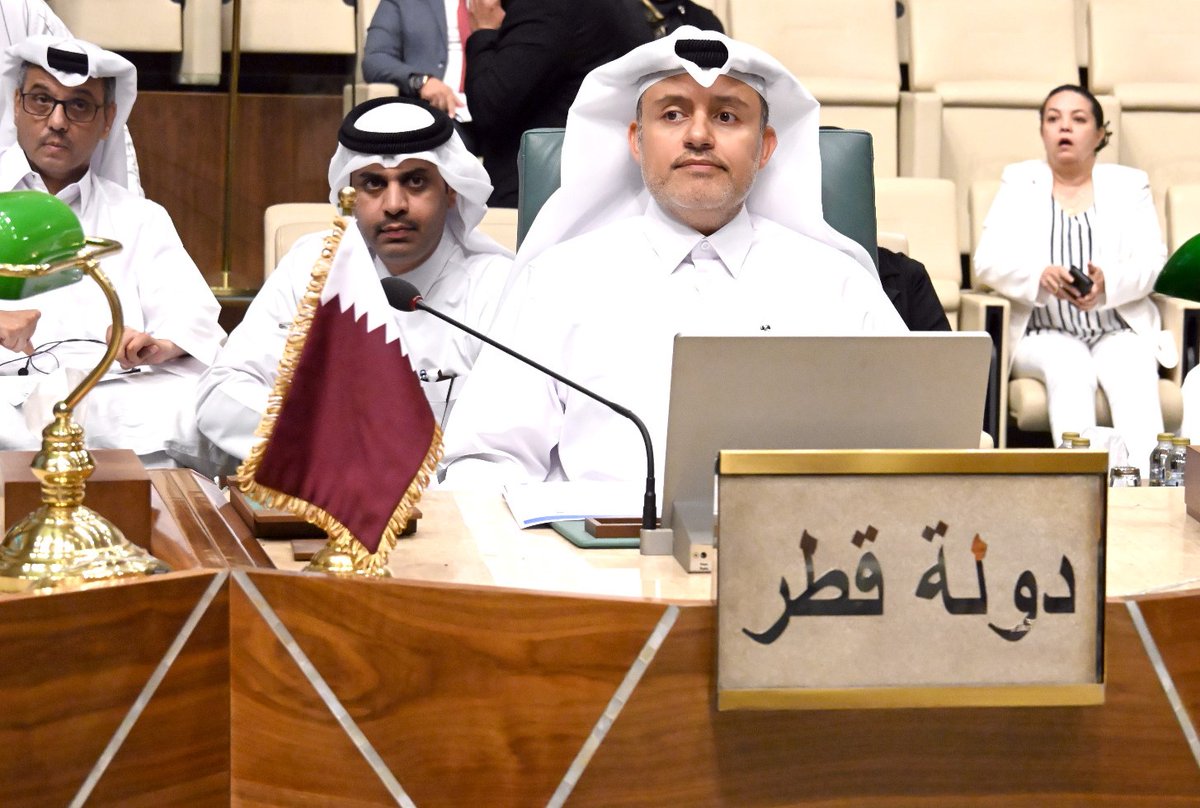
The Arab League Council held an extraordinary session on Tuesday at the level of permanent representatives in Cairo, following a request by the State of Palestine.
Qatar participated in the session, represented by its Ambassador to Egypt and Permanent Representative, Tariq Ali Faraj Al Ansari.
The session at the Arab League’s General Secretariat focused on the intensifying Israeli military actions in the Gaza Strip and the tightening blockade that has worsened humanitarian conditions in the besieged enclave already reeling under 21 months of genocide.
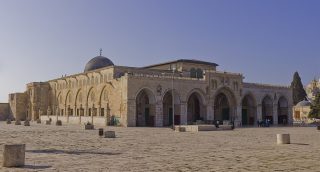
Al Ansari, in remarks made to Qatar News Agency, stressed that among the critical issues discussed was Israel’s attempt to seize administrative control over the Ibrahimi Mosque form Hebron’s municipality and the Palestinian Ministry of Awqaf (Religious Endowments).
He noted that “such actions fuel hatred and contravene numerous resolutions passed by UN General Assembly, UN Security Council, various regional organisations, and UNESCO, which granted the site global heritage and historical status.”
Al-Ansari also stressed the need for the international community to be held accountable, stressing the dire urge for United Nations Security Council to take action.
Qatar’s representative at the Arab League also stressed the responsibility on all regional organizations, specialized UN agencies, and key international actors, including the five permanent members of the Security Council.
The Council issued a communiqué calling for immediate international intervention to end Israel’s siege on Gaza and ensure the delivery of crucial humanitarian aid.
Simultaneously, the Organization of Islamic Cooperation (OIC) held a meeting of its Open-ended Ministerial Committee on Israeli Settlements at its headquarters in Jeddah, Saudi Arabia.
The meeting centred on the ongoing expansion of illegal settlements in the West Bank and the displacement of Palestinians, particularly in Occupied Hebron and Jerusalem. It highlighted the urgency of unified Islamic action to protect Palestinian land and religious heritage.