In Qatar’s searing summer heat, residents are offering water and snacks to delivery riders, providing much-needed relief alongside new government protections.
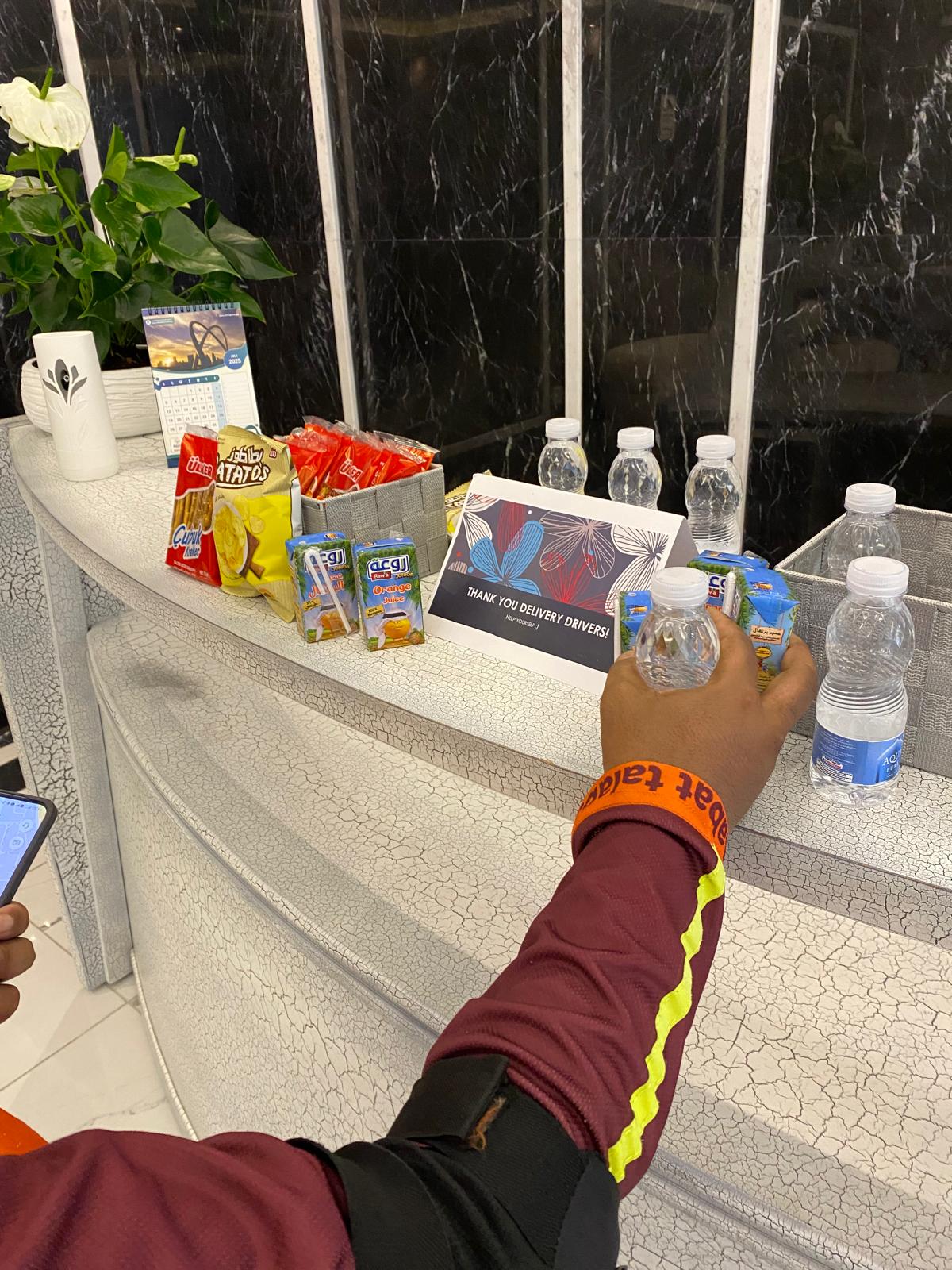
At a residential building in central Doha, Ahmed, a Pakistani delivery driver with nearly three years on the job, finishes a lunch delivery just after 4 p.m. Before heading off, he stops at the entrance to grab a chilled bottle of water and a granola bar from a modest table set up by a resident.
“I started noticing more and more that people leave snacks and water for us,” Ahmed said, smiling. “It’s really nice.”
Ahmed isn’t alone. Many riders, hailing from Pakistan, Bangladesh, Nepal and elsewhere, say such gestures of care have become more common.
“I was not sure at the beginning if this was free or if I would have to pay for it,” said a Nepali rider who has worked two summers in Qatar. “But people here always give something, either tips or water,” he says, adding that he was not surprised by the gesture.
This summer, Qatar’s Labour Ministry introduced new seasonal regulations to protect outdoor workers. As of 1 June, delivery companies are barred from using motorcycles between 10 a.m. and 3:30 p.m., when the heat is at its peak. Only air-conditioned vehicles can operate during this window.
“It’s much easier now,” said a Bangladeshi rider who has worked three summers in Doha. “We don’t work during the harshest sun. I rest until evening.”
Even with the new rules, riders still face daily challenges. Delivery work is high-paced and time-sensitive, and exposure to the sun is hard to avoid.
“When I’m riding, I’m OK. I’ve gotten used to it,” said Ahmed. “But standing outside waiting for food to be ready, that’s hard. Dehydration is the biggest problem. I get thirsty very often, so I always carry extra water.”
The face behind the refreshment table
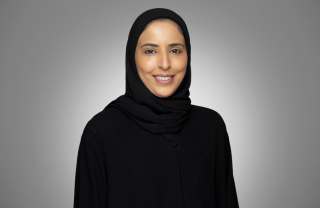
For Zainab, a teacher and Doha resident, setting up the snack table was a personal decision.
“I saw the post online – a trend where people left water and snacks for drivers, and I decided to do it too,” she explained.
After getting permission from her building manager, she set up a small table in the lobby with bottles of water, juice, and healthy snacks, “things they can grab quickly,” she said. Zainab hopes others will follow suit.
Her motivation, she explained, goes beyond practicality.
“With everything going on in the world, we need to champion humanity. Prophet Muhammad (peace be upon him) said: ‘The best of you is those who are best in character.’ We want to embody him, the way we deal with people and the way we treat them.”
As a Muslim, Zainab sees the gesture as a way to communicate something deeper, especially to non-Muslims who may have misconceptions about Islam.
“People study us before they study Islam,” she said. “Sometimes the narrative they hear is negative. I want to be part of a story that shows the real picture.”
These small, community-led efforts resonate with many riders who often feel invisible in the daily rush.
“But Muslims are like this,” said a Nepali rider. “They never say anything bad to me. They always have something to offer, such as water or dates.”
Not every interaction is perfect. Some riders feel self-conscious about the toll the heat takes on them.
“I apologise a lot because I know sometimes I don’t smell good after being outside,” said one rider, wiping sweat from his forehead.
Still, even the smallest tokens, a bottle of water, a smile, help ease the strain of long hours in the heat.
While official government regulation is widely welcomed, riders say gestures like Zainab’s provide something the rules alone can’t: a sense of being seen, and a reminder that someone cares.