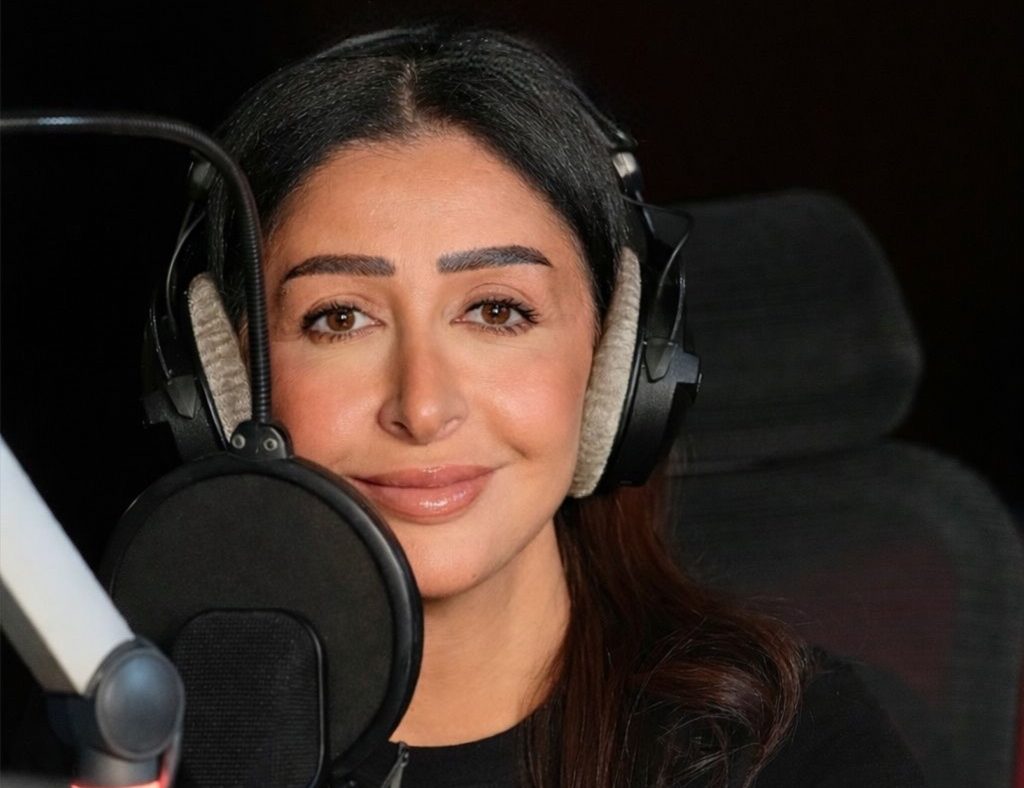
Huda Walid, a lead radio presenter with over two decades at QBS Radio, reflects on the enduring power of radio as a trusted, intimate and community-rooted medium on World Radio Day
Every year, World Radio Day invites us to reflect on a medium that has shaped cultures, carried communities and connected hearts long before “connectivity” became a digital metric.
For me, it is also a moment of personal gratitude. After more than two decades behind the microphone on QBS Radio 97.5 FM, I stand with pride as an English-language voice for the Qatari community — reaching listeners who live in Qatar, wish to understand the country, or carry a piece of it with them wherever they go.
Radio offers a rare intimacy: a connection unfiltered by screens, algorithms or distraction. Through this medium, I accompanied people in their kitchens, cars, offices, and quiet late-night hours — forming bonds rooted in trust, familiarity and presence.
But a career in radio is never built on a “good voice” alone. Talent can open the first door, but discipline sustains it. It is the willingness to work both hard and smart, to constantly refine one’s craft, to stay open to learning, and to leave room for improvement even after decades of accumulated experience.
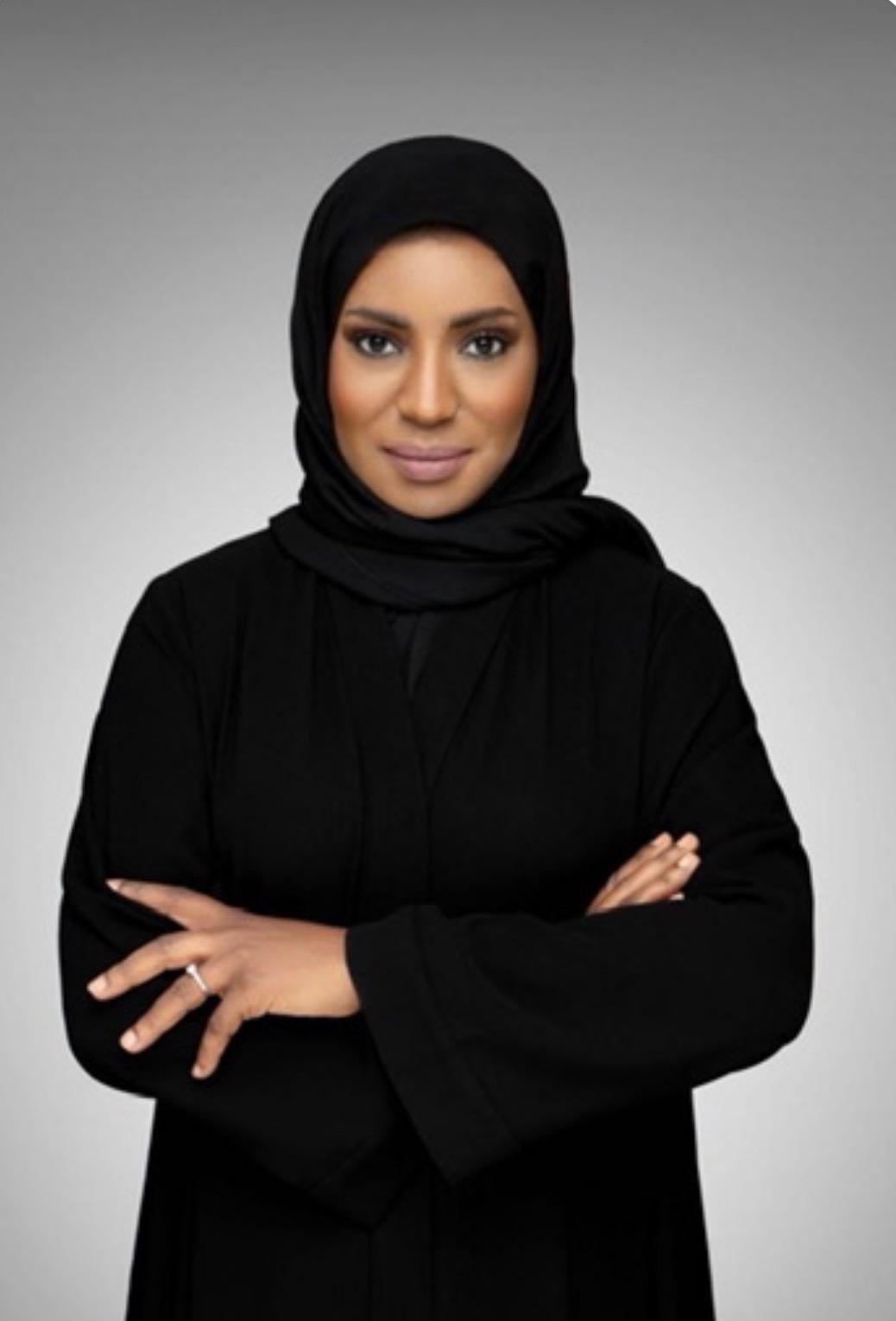
My journey has been shaped by mentors whose guidance I remain deeply grateful for: former QBS directors Mr Nasser Bilal and Mr Mabrouk Ziani; the eternal kings of the microphone, Mr Elias Chalouhi and Mr Haytham Jawhari; and our current director, Ms Abeer Mubarak.
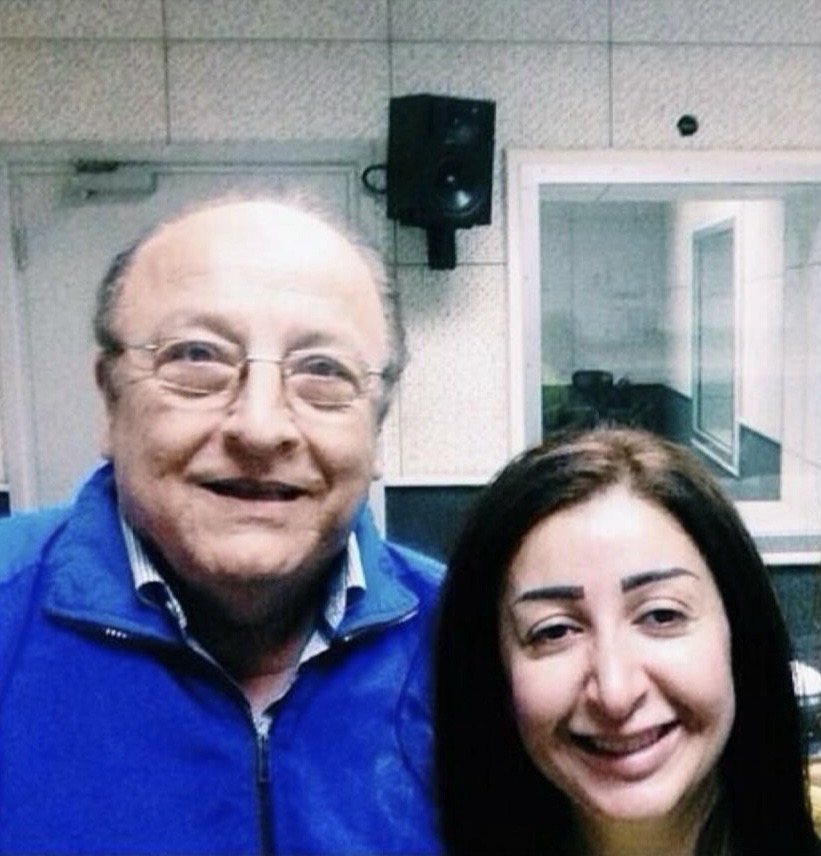
Their leadership and example strengthened my voice, my conviction and purpose as a Lead Presenter.
Behind every milestone, my family, listeners, and colleagues have provided a foundation of support that remains the quiet force behind every broadcast.
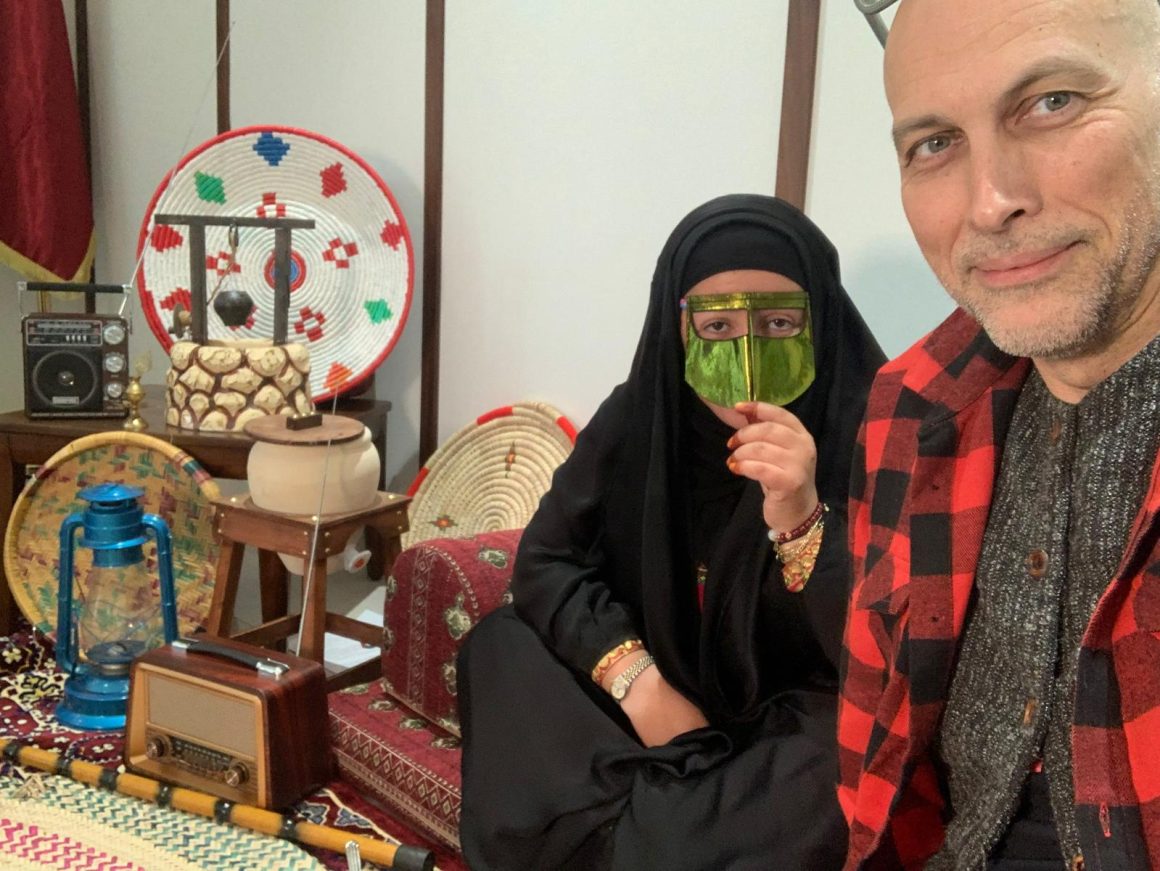
Still, a familiar question echoes in hallways and online spaces: What is traditional radio still good for?
It is a fair question, and one that deserves an answer free of nostalgia or defensiveness. The world has changed. The media has changed. Consumption habits have fractured across countless platforms.
And yet, radio endures precisely because of these changes.
Radio is good for trust
In an era of synthetic voices, algorithm-driven feeds and manufactured virality, radio remains one of the few mass media platforms grounded in human credibility.
Audiences may scroll past infinite content in a day, but they listen to the radio. They trust it. They believe in the voices behind it. What was true when I first joined QBS Radio in 2006 feels even more essential in 2026.
Radio is good for companionship
Radio has always offered something digital platforms struggle to recreate: presence.
The comfort of knowing someone is with you — narrating your morning, easing your commute or keeping you company long after the world goes quiet.
Music platforms provide songs. Social media provides noise. Radio provides a companion, credible information, endless entertainment, inspiration, enlightenment and good music that truly feeds the soul.
Radio is good for local identity
While global media chases sameness and scale, radio remains rooted in the community it serves. It reflects local humour, concerns, celebrations and challenges.
It announces traffic jams, weather updates, school closures, charity initiatives and cultural moments that define a place. Radio did not abandon community; much of modern media did.
Radio is good for stability
In a fast, fragmented and overstimulated world, radio offers rhythm. Morning shows establish routine; drive-time segments structure transition; even advertisements reflect community needs and priorities.
Amid constant scrolling and multitasking, the radio is one medium listeners do not have to manage.
It simply accompanies.
Radio is good for business
For advertisers, especially local and emerging ones, radio remains a trusted and cost-effective platform. It offers influence, frequency, familiarity and human connection that many digital platforms struggle to replicate authentically.
What, then, is radio good for?
Not for perfection, competing with trends, or becoming a mirror of social media. Radio is good for connection, belief, community and continuity in a world that changes by the minute.
And as media becomes louder, colder and increasingly automated, the human warmth of radio is not a weakness — it is an advantage.
This World Radio Day, I celebrate not just a medium, but a lifelong companion. A craft that continues to teach, challenge and anchor me.
A platform that has allowed me to represent my community, honour my mentors, and connect with people I may never meet, yet somehow feel I know.
Radio endures because humanity still needs what only radio can give.
Happy World Radio Day!