Qatar maintained its active role as a global mediator, further cementing its position as a centre for dialogue and diplomacy.
The year 2025 proved politically eventful for Qatar, a global hub for mediation and dialogue between adversaries.
Over the past twelve months, Qatar navigated a series of challenges — including Israel’s attack on its territory — while also securing major mediation breakthroughs across the world, from Gaza, Democratic Republic of the Congo, to Colombia.
As the year draws to a close, Doha News highlights the most significant political developments that shaped Qatar’s trajectory in 2025.
1. January 15: Gaza ceasefire
The year started with the announcement of a ceasefire between Hamas and Israel, a deal aimed at ending the genocide in the Gaza Strip. The breakthrough was reached through joint mediation efforts led by Qatar, Egypt, and the United States.
The deal resulted in the release of 33 Israeli captives in addition to five Thai nationals in exchange for the release of 1,755 Palestinian detainees.
Israel accused Hamas for not adhering to the deal, despite the group’s release of the required number of captives. Those accusations became the basis for Israel’s resumption of the genocide on March 18.
Since March 2, Israel has also completely blocked the entry of humanitarian aid into the besieged enclave, creating a famine that has claimed the lives of at least 457 Palestinians. The aid blockade constituted a major violation of the ceasefire agreement.
2. March 20: Qatar facilitates release of U.S. citizen from Afghanistan
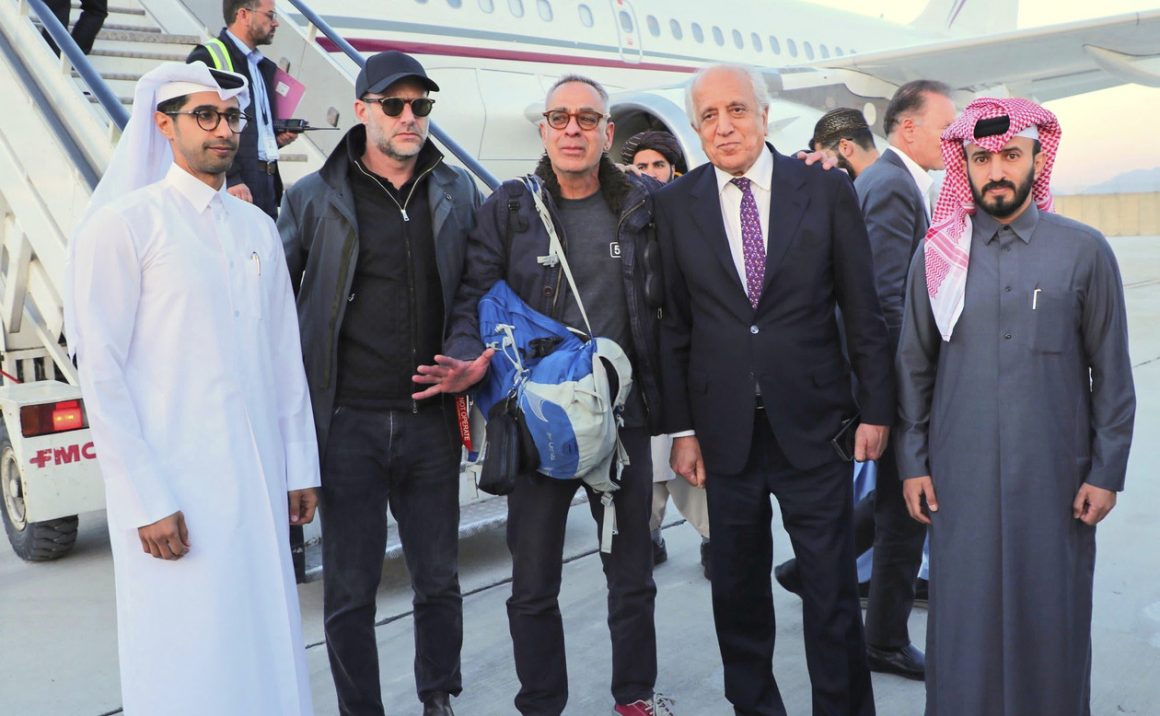
On March 20, Qatar facilitated the release of U.S. citizen, George Glezmann, from Afghanistan, ending his two-and-a-half-year detention by the Taliban.
Glezmann, a Delta Airlines mechanic, was detained in December 2022 after travelling to Afghanistan “to explore the cultural landscape and rich history of the country,” according to the U.S. Congress.
Qatar has hosted the Taliban’s political office since 2013 at Washington’s request, serving as a key channel for dialogue between the group and Western governments.
3. April 15: Lebanese President Joseph Aoun makes first official visit to Qatar
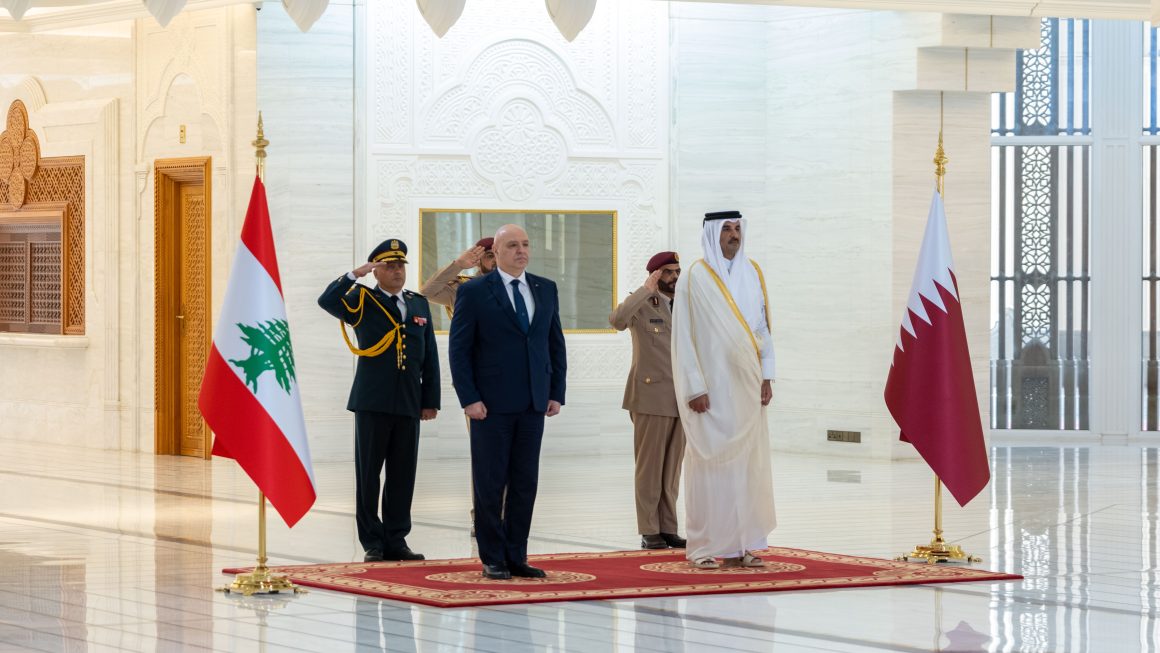
Lebanese President Joseph Aoun visited Qatar on April 16, marking his first trip to the country since taking office in January following a two-year power vacuum.
During the visit, Aoun met Qatar’s Amir Sheikh Tamim bin Hamad Al Thani to discuss the strengthening bilateral relations as well as the latest regional developments.
4. April 17: Qatar hosts Russian-Ukrainian families
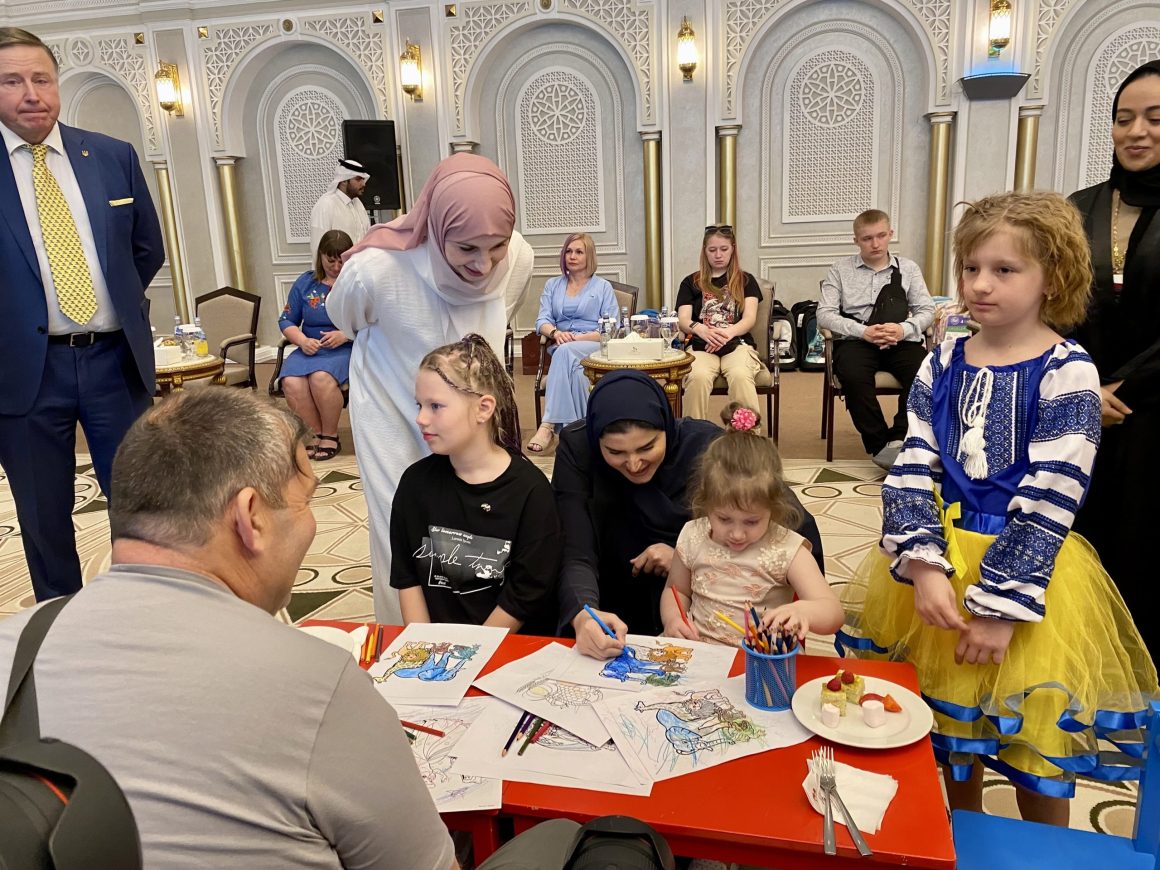
On April 17, Qatar welcomed 19 families, including 32 children, from Russia and Ukraine as part of a special programme providing comprehensive support amid the ongoing war between the two countries.
The initiative forms part of Qatar’s wider efforts to reunite families separated by the ongoing Russia-Ukraine war. The first such reunification was completed on October 16, 2023, and Qatar has since reunited 107 children with their families.
5. May 14–15: U.S. President Donald Trump visits Qatar
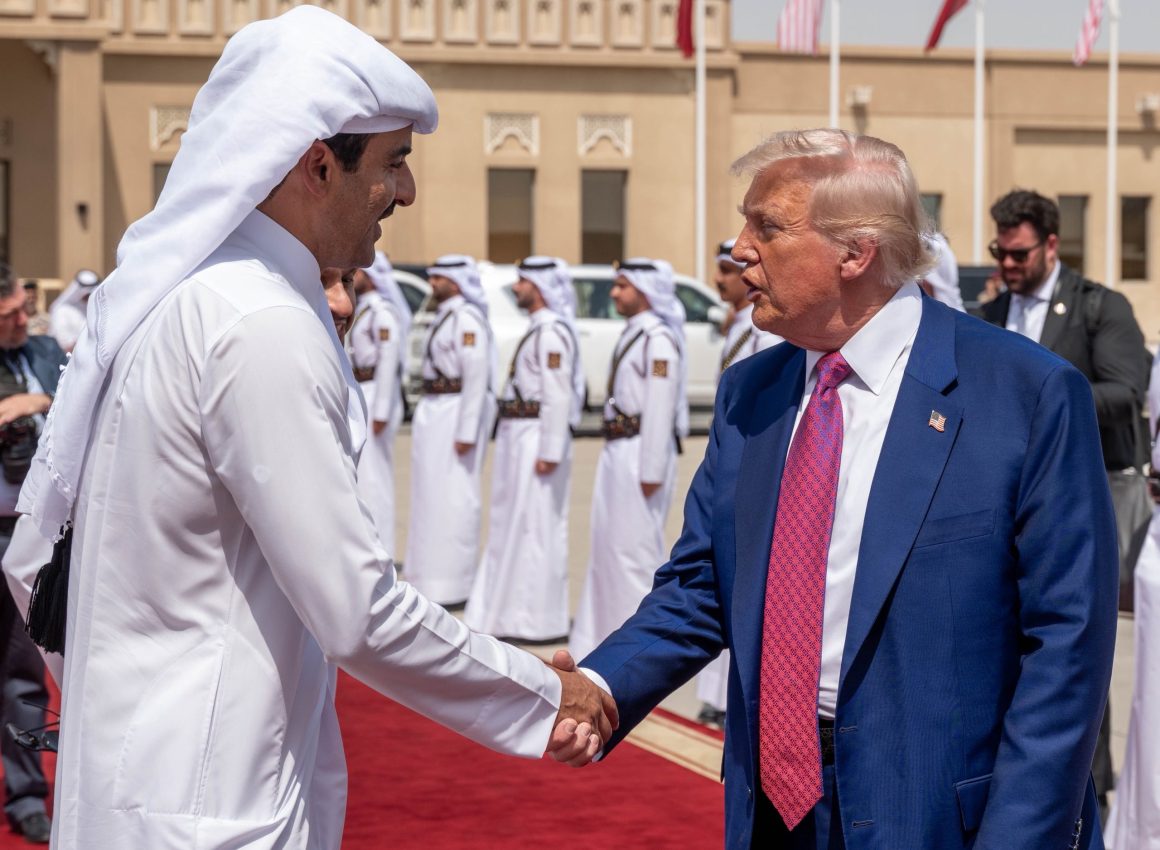
On May 14, U.S. President Donald Trump visited Qatar, marking the first trip by a sitting American leader to the country since 2003.
During the visit, Trump met with Qatar’s Amir, with talks focused on bilateral relations and shared strategic interests, including developments in the Gaza Strip.
The two countries signed a series of major agreements expected to generate $1.2 trillion (around QAR 4.36 trillion) in economic exchange.
The U.S. president also toured Al Udeid Air Base, the largest American military base in the region, where he announced that Qatar would invest $10 billion (around QAR 36.47 billion) to support the facility.
6. June 23: Iran strikes targets in Qatar
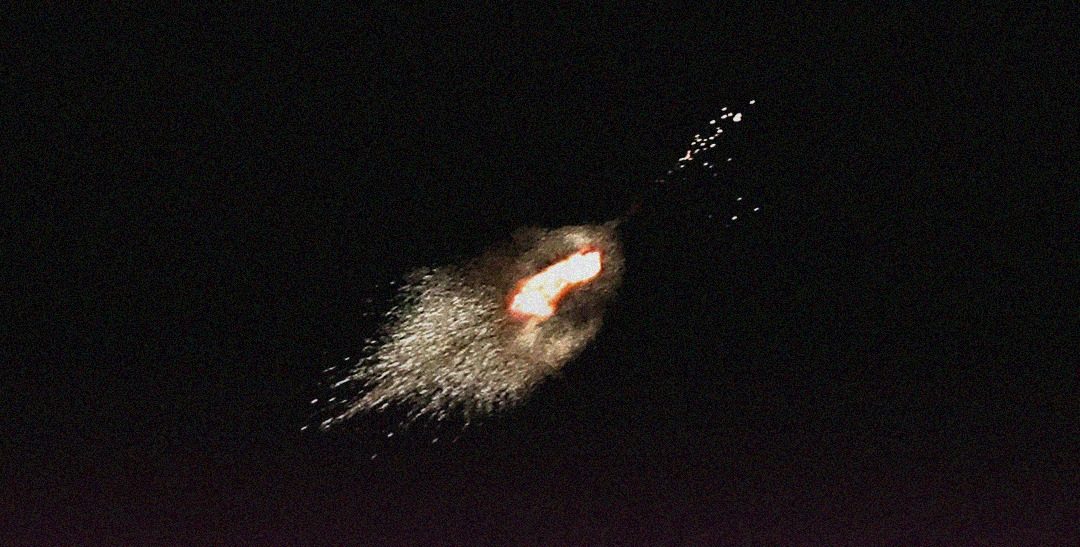
On the evening of June 23, Iran launched an attack on the U.S. Al Udeid Air Base in Qatar, in retaliation for American strikes on key Iranian nuclear facilities — including Fordow, Isfahan and Natanz — amid the war between Iran and Israel.
Panic briefly ensued across the country as Qatari authorities successfully intercepted the missiles and no casualties were reported.
Iran had provided Qatar with advance warning, and Iranian President Masoud Pezeshkian later apologised to Qatar’s Amir Sheikh Tamim bin Hamad Al Thani.
By dawn on June 24, Qatar brokered a ceasefire between Iran and Israel, ending the 12-day war.
The following day, Doha hosted a Gulf Cooperation Council (GCC) meeting with foreign ministers, which concluded with a joint condemnation of the attack.
7. July 19: Democratic Republic of the Congo (DRC) and the M23 sign peace deal
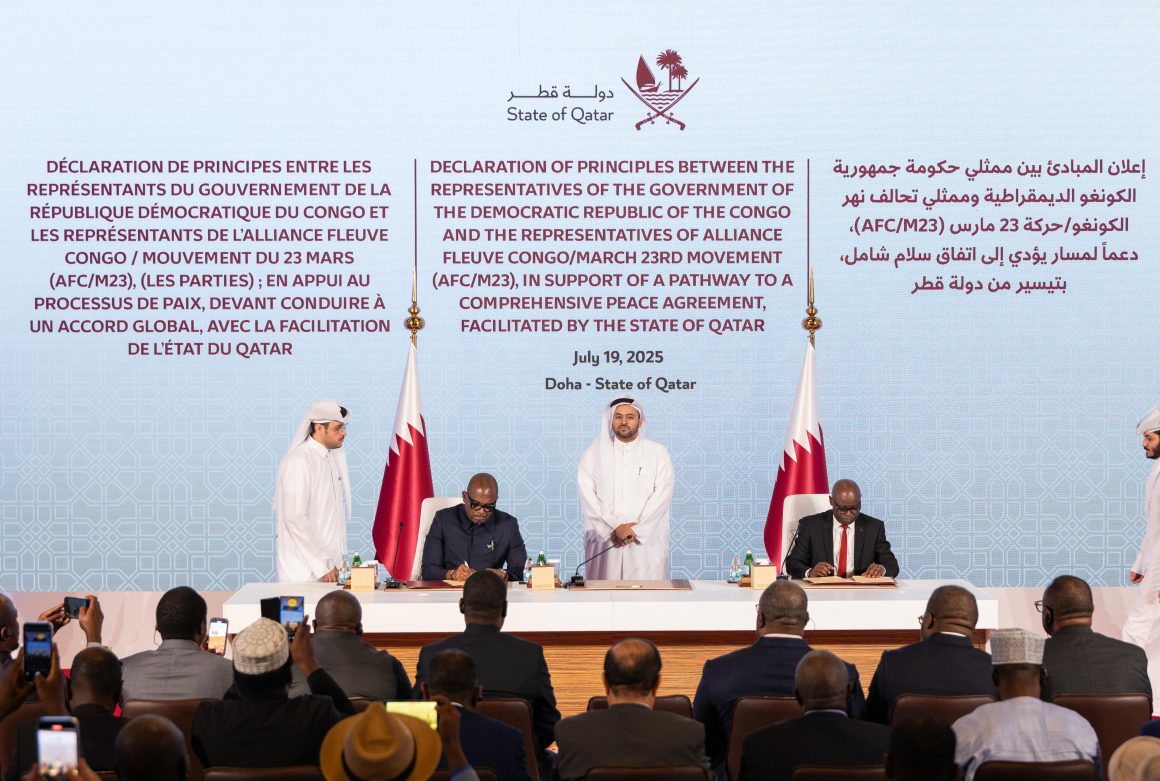
The Democratic Republic of the Congo (DRC) and the M23 group signed a declaration of principles in Doha, aiming to end fighting in eastern Congo. The Qatar-brokered agreement committed both sides to a permanent ceasefire and followed a separate peace deal signed between the DRC and Rwanda that was signed in Washington in June.
8. September 9: Israel attacks Qatar
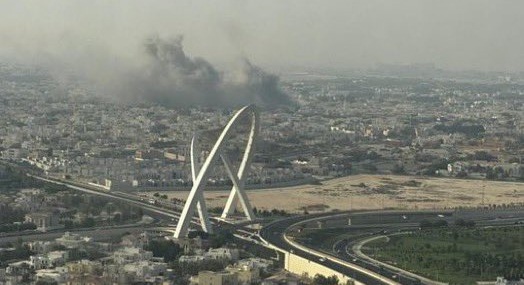
On September 9, Israel launched an airstrike on a residential building housing Hamas officials, hitting the site in broad daylight.
Israel said it attempted to target chief negotiator Khalil Al-Hayya, among other members of the group’s negotiating team as they discussed the latest U.S. ceasefire proposal.
However, the attack killed five lower-ranking Hamas members, including Al-Hayya’s son, Humam.
Israel also killed 22-year-old Corporal Bader Al-Humaidi Al-Dosari, a member of Qatar’s Internal Security Force (Lekhwiya), who had been guarding the building.
Qatar condemned the attack on its territory, describing it as “state terror” and denouncing what it called Israeli Prime Minister Benjamin Netanyahu’s “barbaric action”.
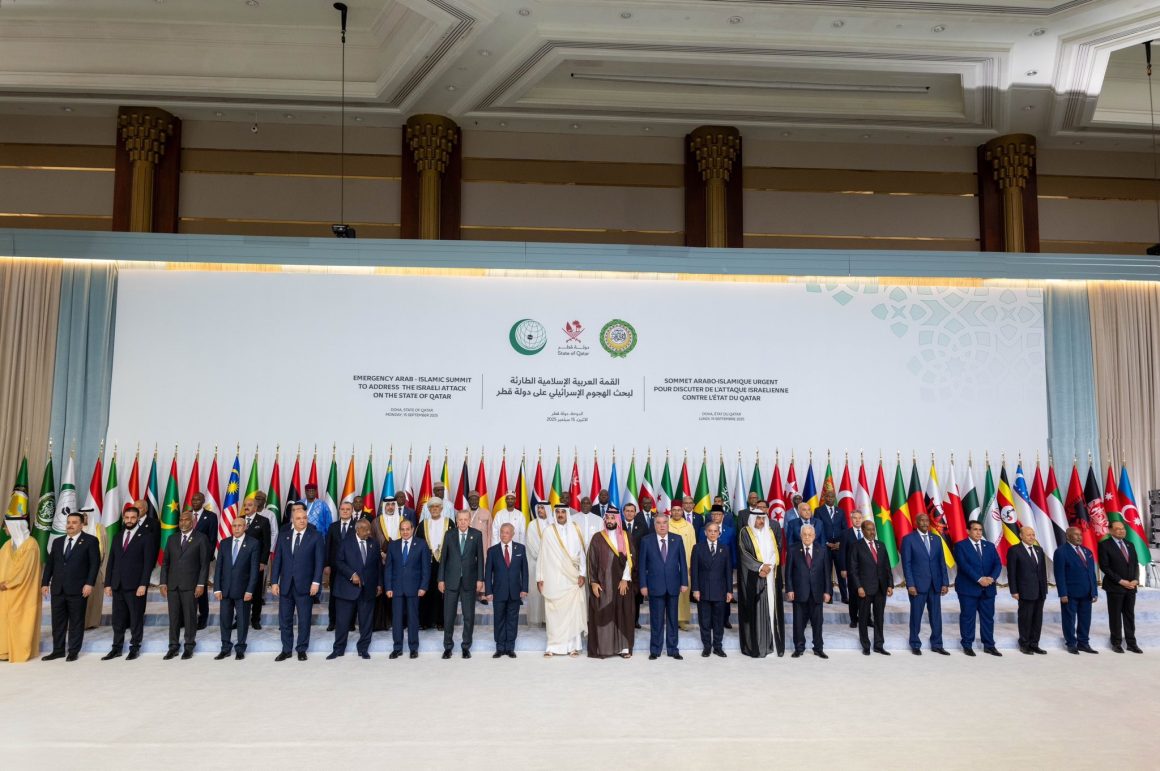
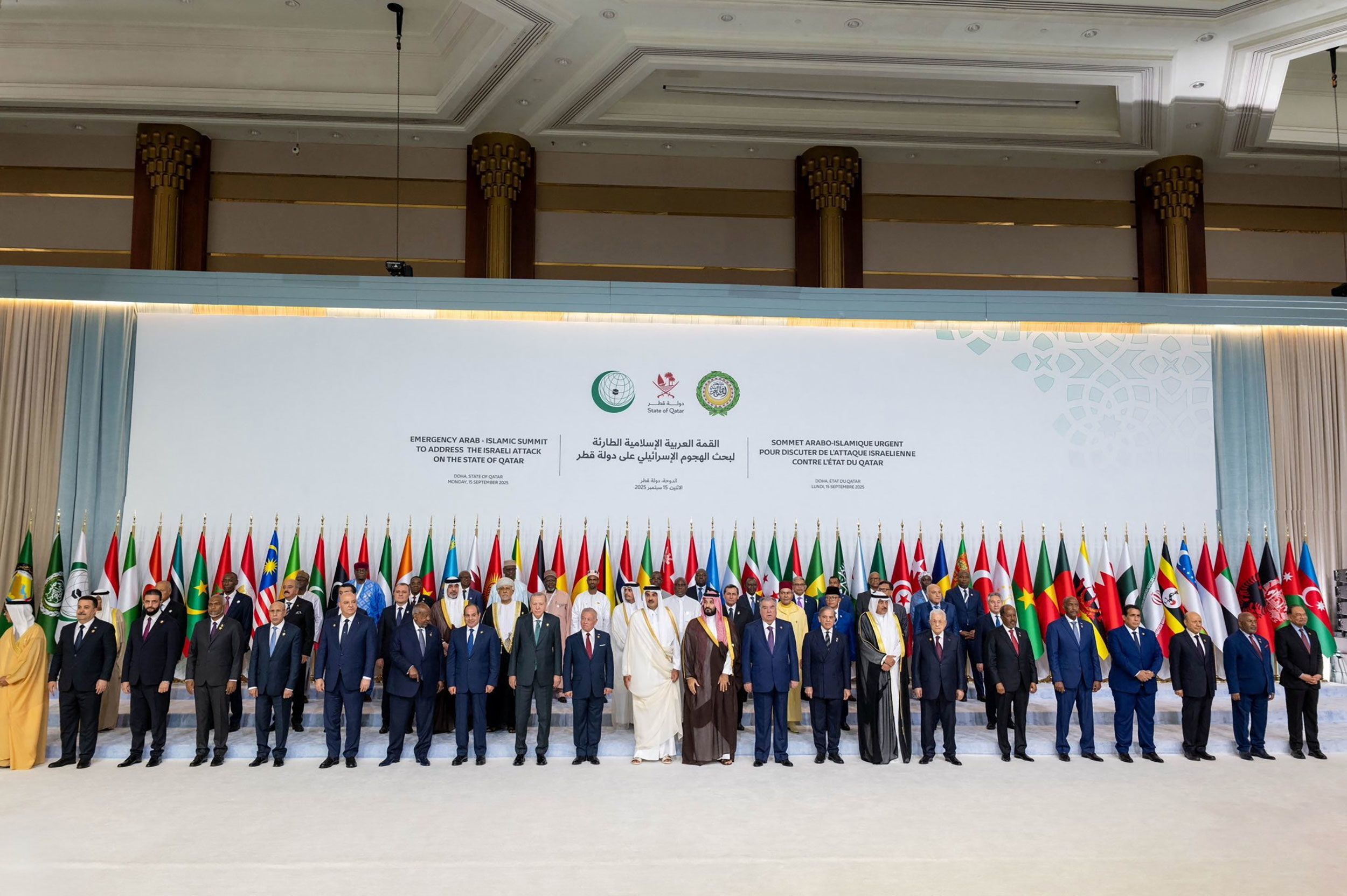
Doha then hosted a high-level emergency Arab-Islamic Summit on September 15, bringing together Arab and Muslim leaders who renewed their condemnation of the attack.
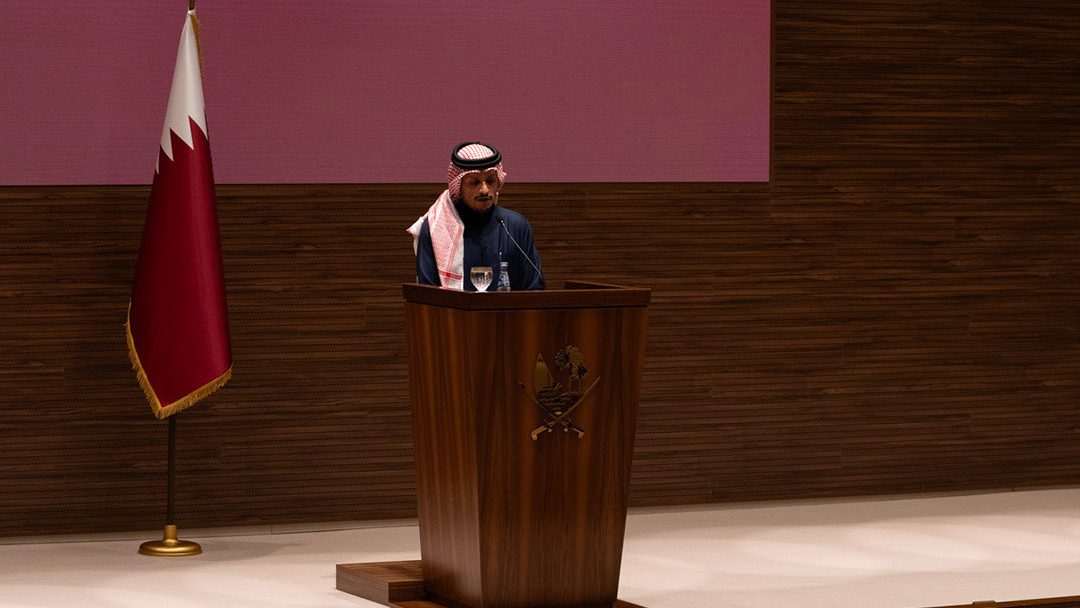
The attack also shocked the U.S., Israel’s closest ally, and drew widespread international condemnation. On September 29, U.S. President Donald Trump pressed Netanyahu to apologise to Qatar’s Prime Minister and Minister of Foreign Affairs, Sheikh Mohammed bin Abdulrahman Al Thani, in a phone call.
9. September 19: Taliban releases British couple
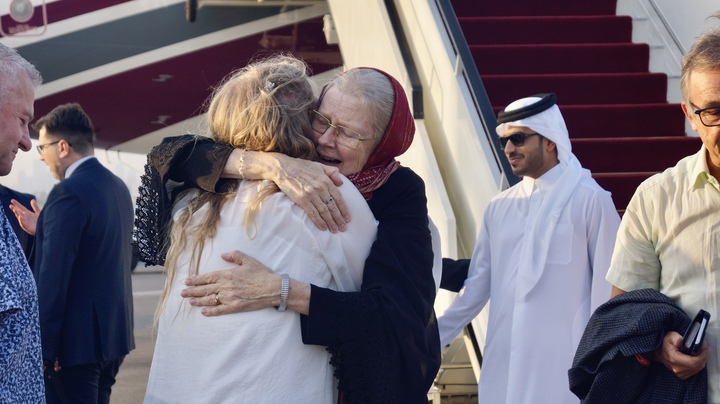
Qatar facilitated the release of an elderly British couple, Peter and Barbie Reynolds, from the Taliban’s custody in Afghanistan.
The couple, who had lived in Afghanistan for 18 years, were detained by the Taliban in February on undisclosed charges. The couple married in Kabul in 1970 and ran an organisation called Rebuild, which provided education and training programmes for women and children.
10. October 9: Gaza ceasefire
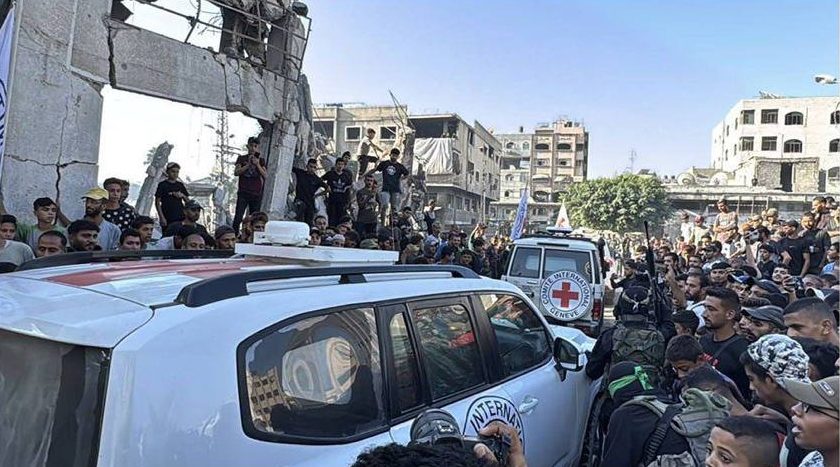
On October 9, U.S. President Donald Trump announced that Israel and Hamas have agreed to the first stage of a ceasefire plan, which included the release of captives and an initial withdrawal of Israeli troops.
The agreement was brokered by Qatar, Egypt, the U.S., and Türkiye following an intensified round of negotiations in Sharm El-Sheikh. On October 13, Egypt hosted a Peace Summit to formally sign the Gaza deal.
Under the agreement, Hamas released the remaining living 20 Israeli captives as well as the bodies of 28 captives, in exchange for the release of 1,968 Palestinian detainees.
Despite the deal, Israel has persisted in its bombardment of the Gaza Strip, blocked the entry of humanitarian aid and refused to withdraw from the territory.
As of December 28, Israel has committed 969 ceasefire violations, according to the Gaza media office. Israel has also killed at least 70,945 people in the Gaza Strip since the beginning of the genocide on October 7, 2023.
11. October 19: Afghanistan and Pakistan agree to ceasefire after Qatar-led mediation
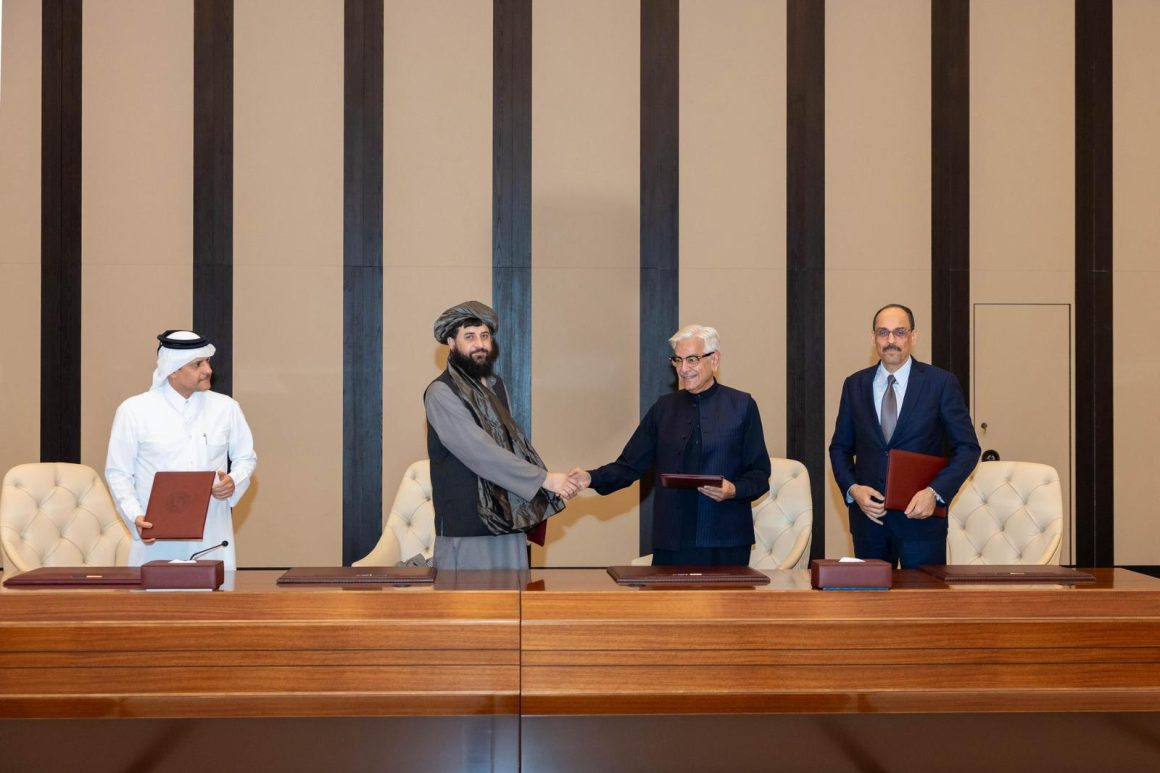
After weeks of deadly cross-border clashes, Afghanistan and Pakistan agreed to an immediate ceasefire after high-level negotiations in Doha, mediated by Qatar and Türkiye.
12. October 26: Qatar’s Amir and Trump meet on Air Force One
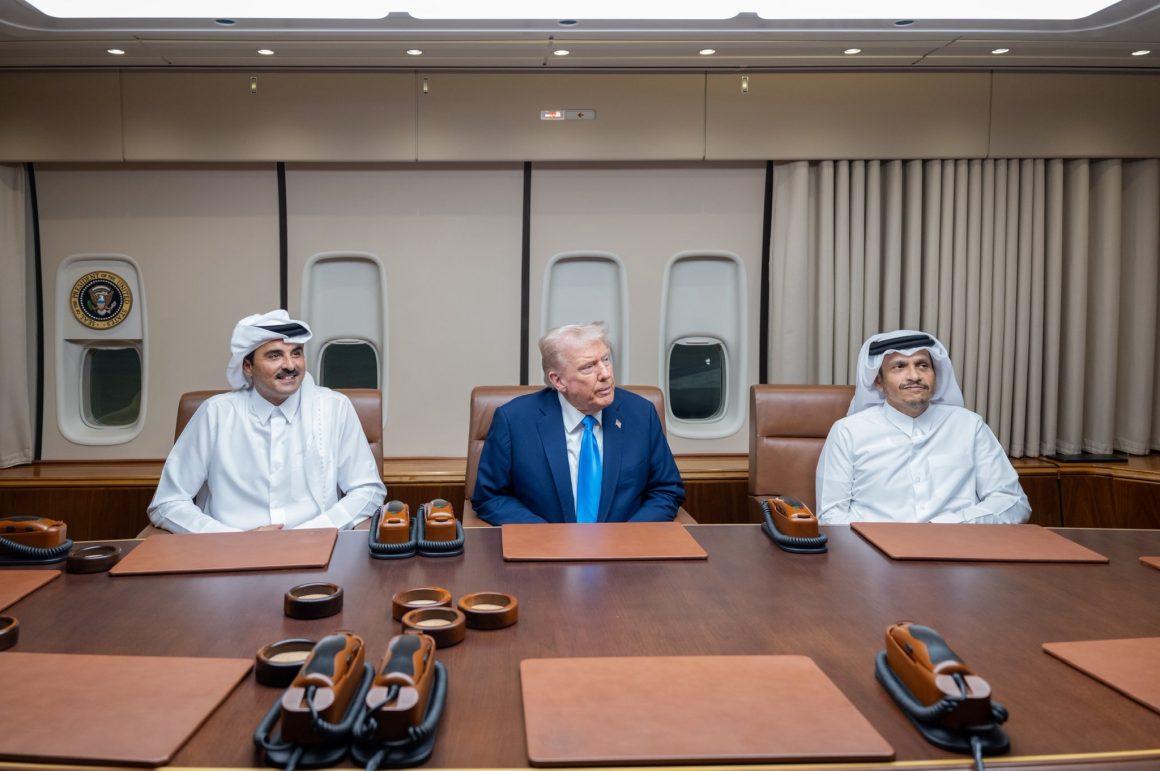
Qatar’s Amir and U.S. President Donald Trump held a brief meeting in the Gulf state to discuss the implementation of the Gaza ceasefire deal.
The meeting took place aboard Trump’s Air Force One during a refuelling stop at the Al Udeid Air Base.
13. November 3: Gustavo Petro in Doha
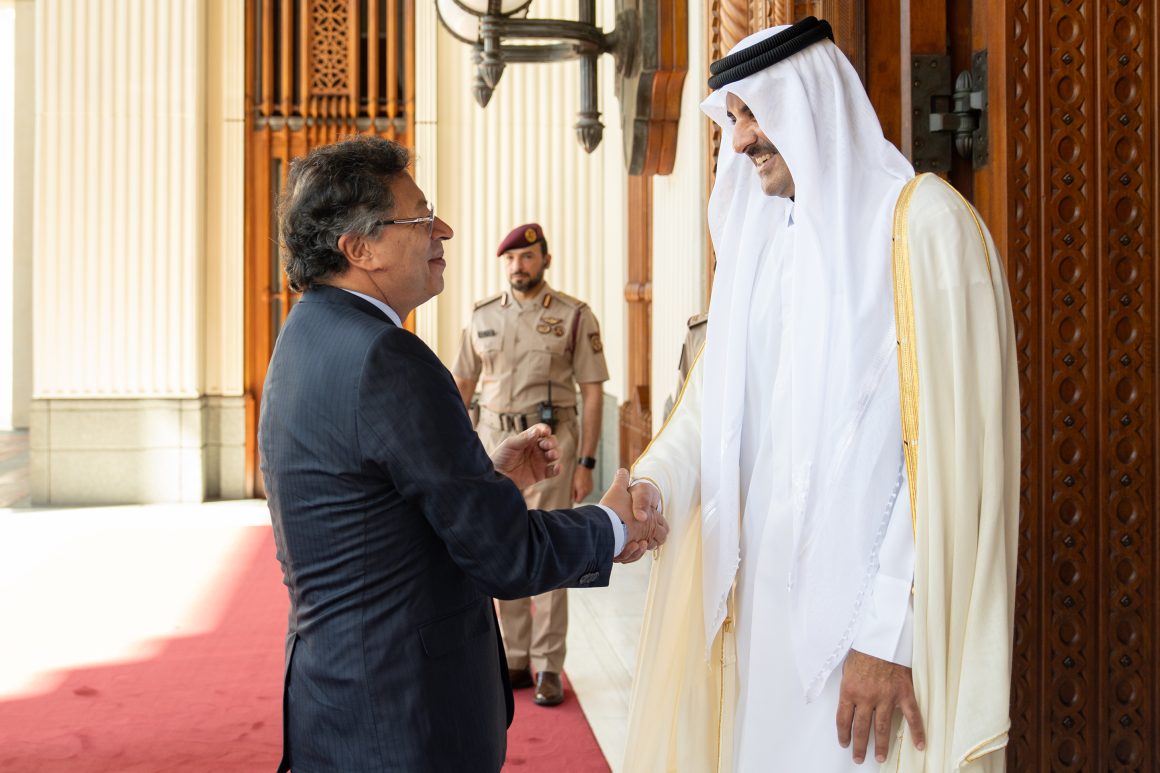
Colombian President Gustavo Petro travelled to Qatar for the opening of Colombia’s embassy in the Gulf state. During the visit, Petro met Qatar’s Amir at the Amiri Diwan, where they discussed strengthening bilateral relations between the two countries.
While in Qatar, Petro spoke to Doha News, stressing the importance of building a future shaped by shared goals and collective action, rather than by the influence of global superpowers.
14. November 15: Signing ceremony for DRC and M23 agreement
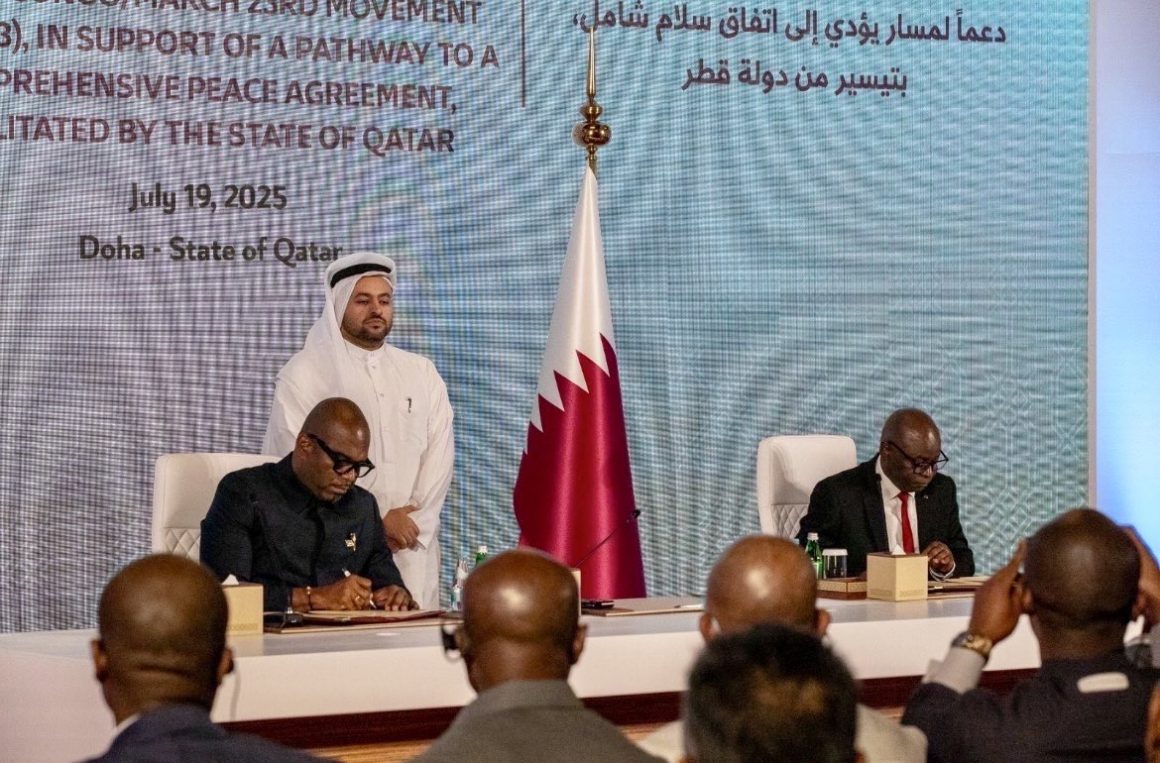
Qatar announced the signing of the Doha Framework for the Peace Agreement between DR Congo and M23 Movement, marking a new milestone in the peace process facilitated by the Gulf state.
“The Framework reaffirms the Parties’ shared commitment to addressing the root causes of the conflict through structured dialogue, confidence-building measures, and a phased approach to de-escalation and stabilisation,” Qatar’s foreign ministry said in a statement on November 15.
15. December 5: Agreement between Colombia and the self-designated EGC group
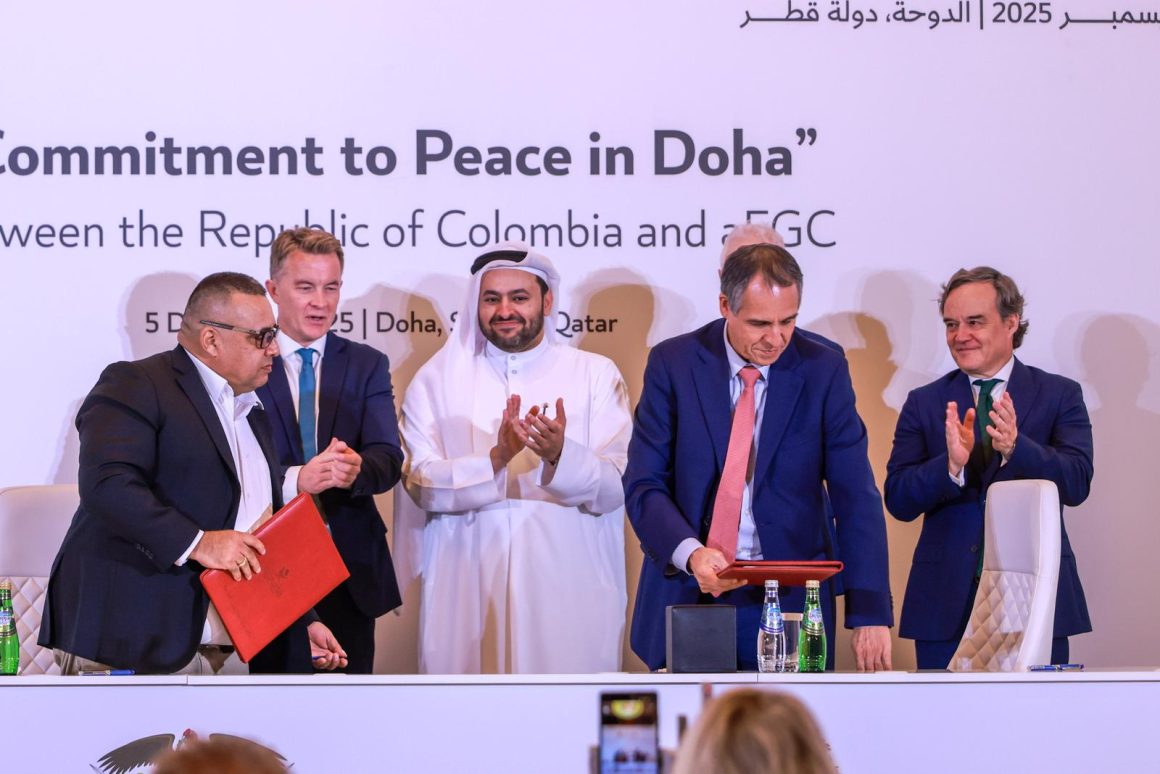
Qatar announced the signing of a “Commitment to Peace” between the Colombian government and the Self-Designated EGC Group following two rounds of mediation held in Doha.