Overshadowed by more conspicuous sides in and out of volleyball, the Maroon men are continuing their ascent, one step at a time.
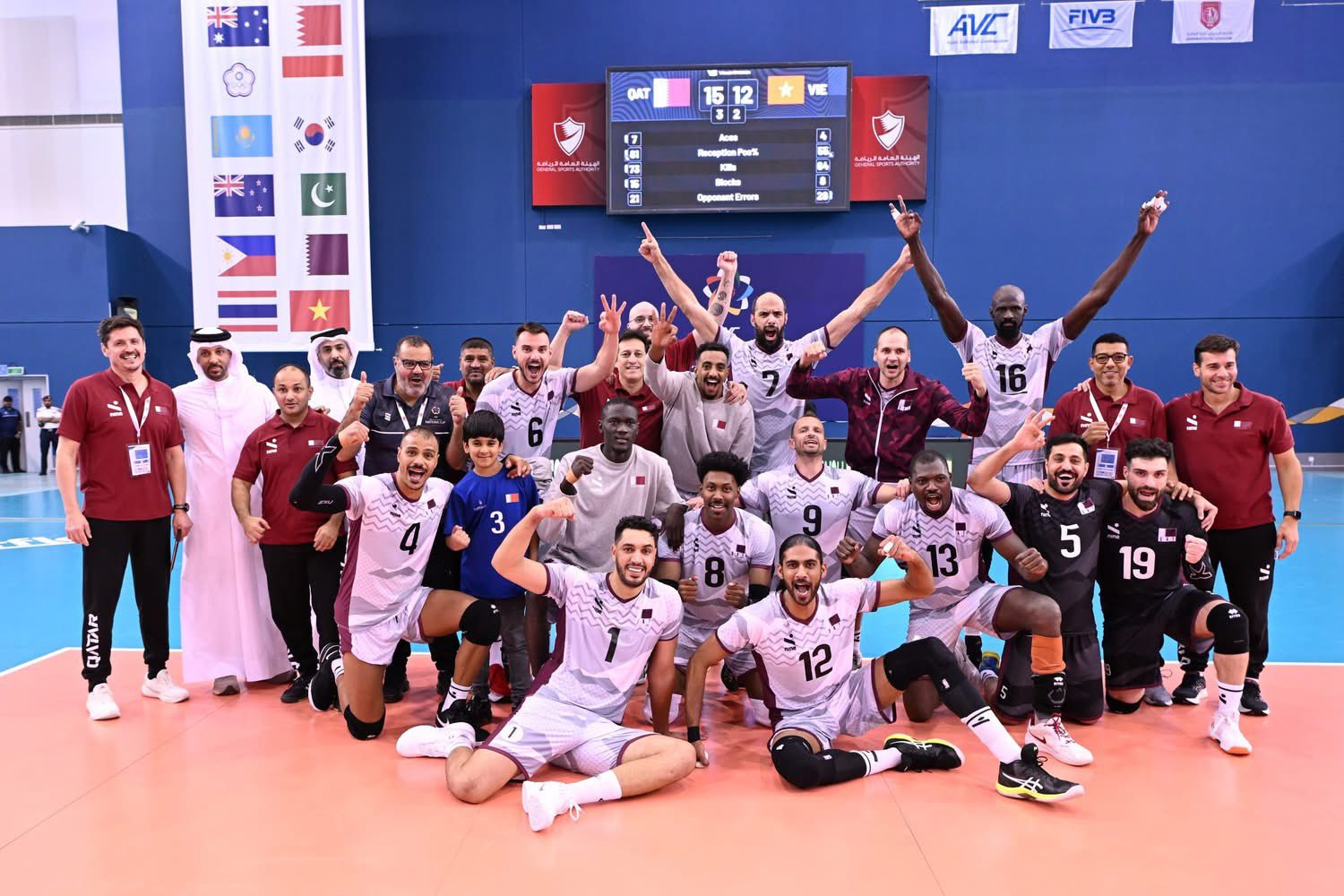
Camilo Andres Soto looked equally as excited as he was relieved. The final point had dropped, and Qatar had secured bronze at the Asian Volleyball Nations Cup.
Fists clenched, a modest team huddle, the coach and officials offering congratulations. Another podium finish and job done for one of Qatar’s most overlooked success stories.
Not world beaters yet, but the Qatari men’s volleyball side has managed to remain consistent for a sizeable time now. The shock semifinal loss to Pakistan stung, but by Tuesday, it was bygone, their focus now upcoming World Championship.
Zooming out from the momentary stumbles is what offers a clearer picture. Since 2018, this team has quietly established itself as one of the most reliable performers on the Asian circuit. Now ranked among the top 25 nations in the world, the team has come a long way since its maiden Asian Men’s Volleyball Cup win in 2018.
And yet, the progress has looked seemingly muted not only under the shadows of other, more mainstream sports, but within volleyball too.
For many, the Olympic bronze won by the beach volleyball duo of Cherif Younousse and Ahmed Tijan in Tokyo 2020 remains a defining moment in the nation’s volleyball history.
It captured imaginations with a story that had the makings of a sporting folklore: charismatic athletes, underdog triumph and a historic Olympic moment. They have not stopped ever since and other competent duos have come along the way too.
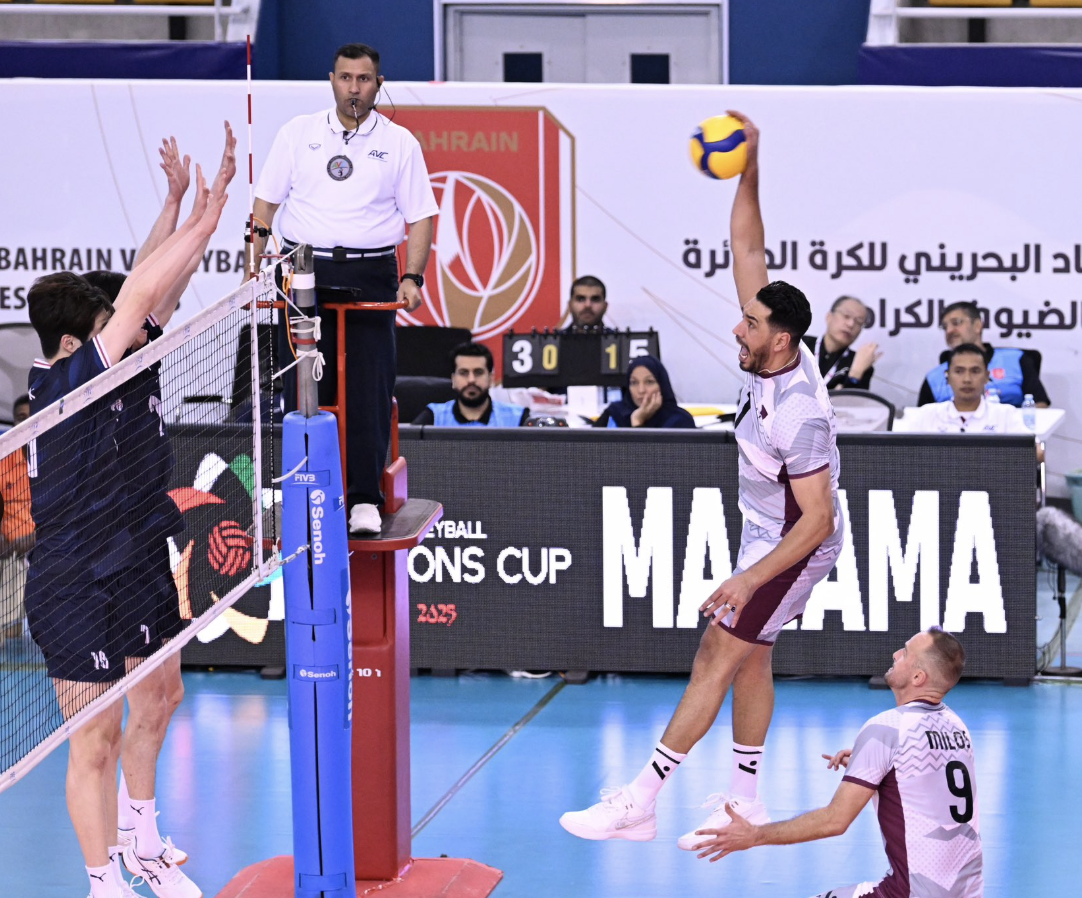
Successes both on the sand and the court are no accidents, however. They are, in many ways, twin products of a long-term project quietly nurtured under the Olympic committee and the national federation.
While Cherif and Ahmed became the poster boys for Qatari volleyball on the global stage, the indoor squad steadily progressed, backed by the same system: rooted in scouting, investment and sustained coaching infrastructure.
“Our main objectives include advancing further in international tournaments, ensuring a steady pipeline of young talents, and strengthening Qatar’s standing in global volleyball through consistent performances,” the Qatar Volleyball Association President, Ali Al-Kuwari, told the sport’s governing body in March 2025.
That vision is already taking shape on the court, thanks in part to a collaboration that began in 2018 when Qatar became one of the first nations to join the FIVB Empowerment Program.
The program has since played a crucial role in elevating the national team’s performance standards, according to Al-Kuwari.
“With the expertise of Coach Camilo Andres Soto and FIVB’s resources, we have witnessed remarkable improvements in our team’s technical skills, tactical execution, and overall performance,” he added.
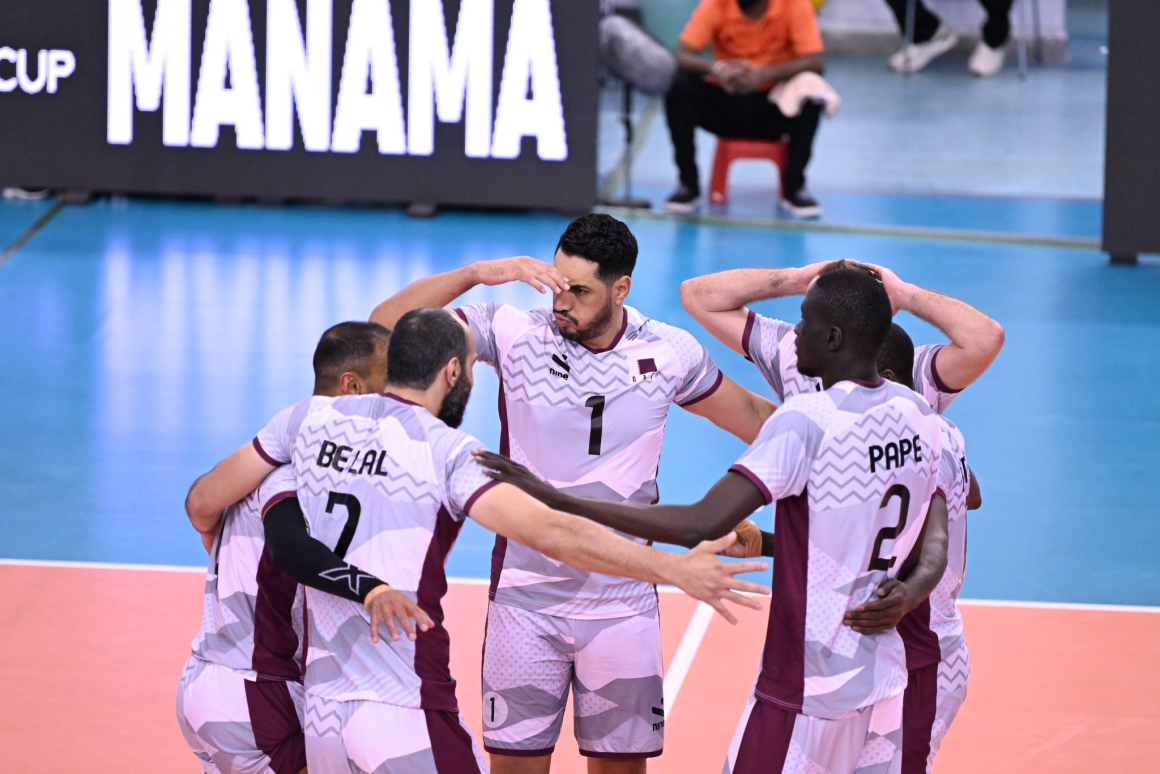
A case can be made for the bronze-winning campaign at the Asian Championship 2023 in Iran’s Urmia to be the occasion when the team peaked. But the broader vision has been to return to the World Championship, following the debut in 2022, with a louder statement later this year. Everyone would like that to be the defining moment.
Rendering regional success to a global one while developing the grassroots equally, however, has been the forever goal. The long-term vision, as FIVB put it, will be “to sustain strong international performances and continue investing in youth development” to attract more success.
Quiet celebrations and behind-the-scenes work continue for now, but if the trajectory holds, the team will not stay overlooked long.