Qatar reaffirms mediation role, condemns regional attacks, and stresses freedom of navigation amid Middle East tensions at UN Security Council session.
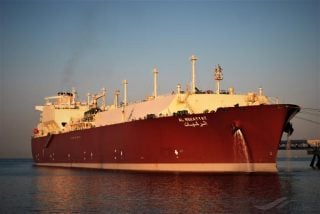
Qatar has warned that any attempt to close the Strait of Hormuz or restrict freedom of navigation would violate international law, placing the issue at the centre of its address during a high-level open debate at the United Nations Security Council (UNSC) in New York.
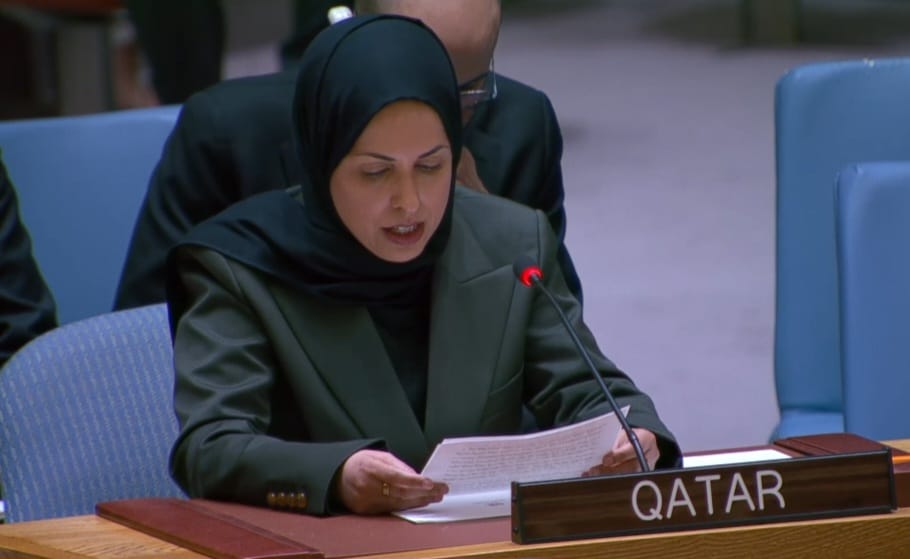
In remarks delivered by Qatar’s Permanent Representative to the UN, Sheikha Alya Ahmed bin Saif Al Thani, Doha stressed that the strategic waterway must remain open under international law, including the United Nations Convention on the Law of the Sea, describing it as a vital global maritime route essential for regional and international stability.
She said Qatar continues to work with regional and international partners to maintain de-escalation in the Gulf, including efforts to preserve the ceasefire between the United States and Iran, achieved through mediation involving Pakistan.
She emphasised the importance of avoiding renewed escalation and ensuring safe passage through the Strait of Hormuz.
The statement also highlighted Qatar’s broader diplomatic approach, reaffirming mediation and peaceful dispute resolution as core principles of its foreign policy.
Qatar said it remains committed to working with the UNSC and global partners to promote dialogue, strengthen humanitarian and development cooperation, and break cycles of conflict in the Middle East.
Sheikha Alya also mirrored Doha’s condemnation of recent Iranian retaliatory attacks on Jordan, Bahrain, and Kuwait, calling them violations of sovereignty and international law, and urged de-escalation across the region.
Discussing Gaza, Qatar highlighted joint mediation efforts with Egypt, the United States, and Türkiye to secure a ceasefire agreement signed in October. The need for a full implementation of the deal and uninterrupted humanitarian access was stressed.
Doha concluded by reaffirming support for a two-state solution to the Palestinian issue based on 1967 borders, with East Jerusalem as the capital of a future Palestinian state, and called for sustained international cooperation to achieve lasting peace and stability in the region.