The Gulf nation has been exerting effort in fostering social cohesion through education, according to the official.
Qatar has continued to leverage education as a tool to promote interfaith dialogue and peaceful coexistence, according to Ibrahim Saleh Al-Naimi, chairman of the Doha International Centre for Interfaith Dialogue (DICID).
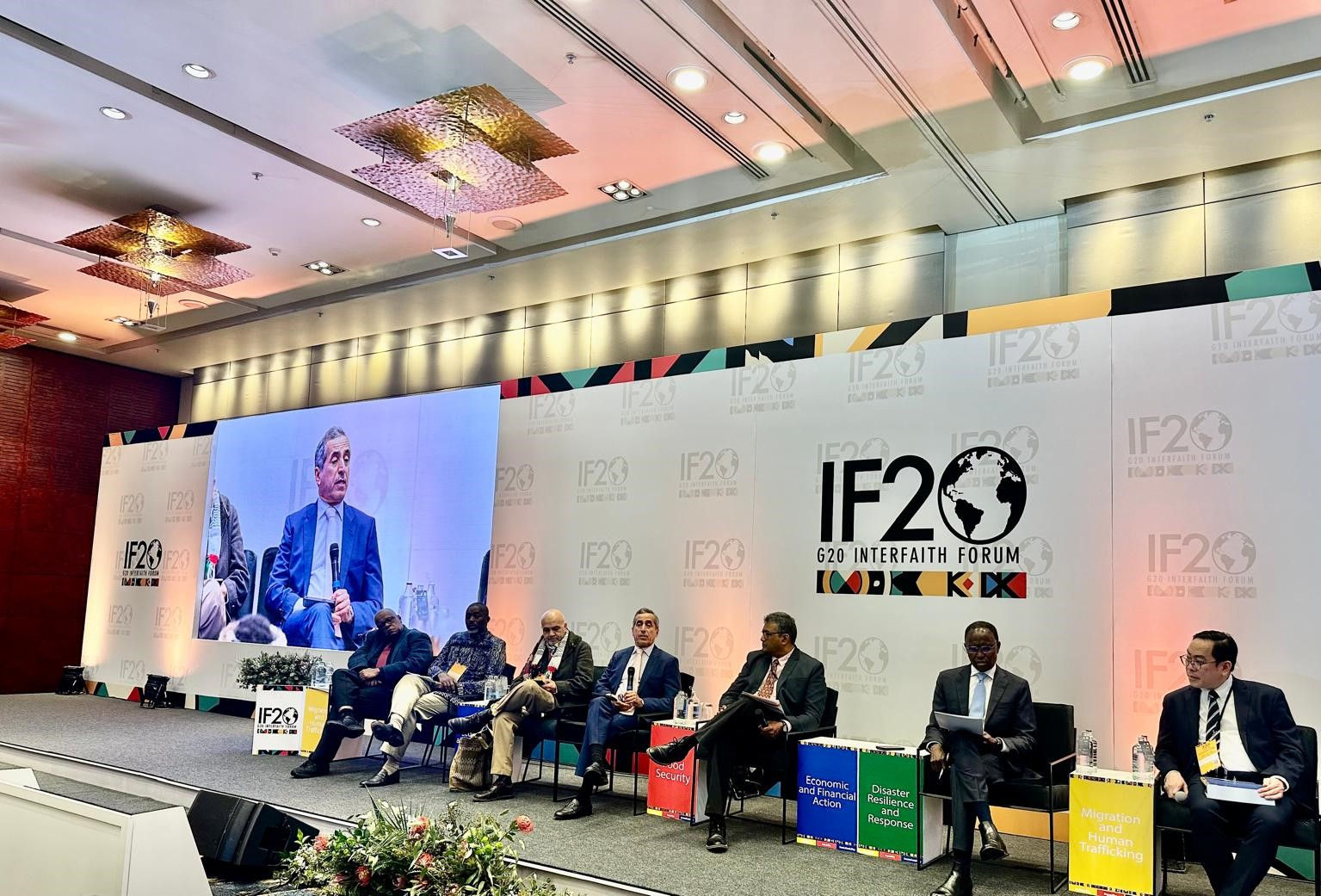
Speaking at the G20 Interfaith Forum 2025 in Cape Town, Al-Naimi said the Gulf state is actively supporting institutions that foster social cohesion and shared human values at both national and international levels.
“Education and interfaith dialogue represent two complementary wings in the path of comprehensive human development,” Al-Naimi said in his speech at the conference in Cape Town, as reported by the Qatar News Agency.
“Qatar has many institutions that work to promote education that supports social cohesion and shared human values […] The national school curricula include lessons that encourage the values of dialogue, peaceful coexistence, and acceptance of others.”
He noted that Qatar’s national school curricula include lessons that encourage dialogue, peaceful coexistence, and acceptance of others.
These values are reinforced through institutions such as the Qatar Committee for the Alliance of Civilisations at the Ministry of Foreign Affairs, the ICESCO Chair for Dialogue of Civilisations at Qatar University’s College of Sharia and Islamic Studies, and the DICID.
Founded in 2007 and formalised by Amiri Decree No. 20 in 2010, DICID works on a range of initiatives to foster dialogue.
Its past events in Doha have brought together prominent researchers, scholars, and religious leaders to discuss topics from family relationships to religious perspectives in a changing world, as well as tackling online hate speech.
Al-Naimi highlighted the centre’s “Dialogue in Universities” initiative, launched in September 2024 with five major universities and media partners.
The programme has hosted nine events attended by students and professors from diverse religious and cultural backgrounds to discuss issues aimed at building a shared and peaceful future.
Addressing the humanitarian crisis in the Gaza Strip, Al-Naimi called for action beyond immediate relief to “end hunger, restore rights, and build peace”.
He urged policymakers, educators, and religious institutions to integrate interfaith dialogue into national curricula worldwide, stressing that global challenges facing vulnerable communities demand coordinated responses.
The forum, attended by religious leaders, policymakers, academics, and civil society representatives, concludes on Thursday.
“The forum [is] a strategic opportunity to transform values of solidarity and mutual respect into sustainable practical initiatives that support peace and comprehensive human development,” he added.