QatarEnergy has a long-standing reputation for communicating facts and steering clear of political matters, adding that Qatar would always prioritise the safety of its people over commercial considerations.
Qatar’s International Media Office has categorically rejected allegations published by The Washington Post on Friday, denying claims that operational decisions related to its energy production were made in coordination with Iran or for Iran’s benefit.
“Any suggestion that operational decisions relating to energy production were — or have ever been — made in coordination with Iran, for Iran’s benefit, or to influence the course of the conflict is entirely unfounded,” the office said in a statement.
The denial came in response to allegations published by The Washington Post on June 12, which Qatar said relied on “false and unreliable material originating from actors whose objective is to sabotage ongoing efforts to mediate an end to the conflict, damage Qatar’s reputation, and undermine the strategic partnership between Qatar and the United States”.
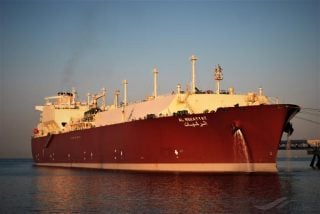
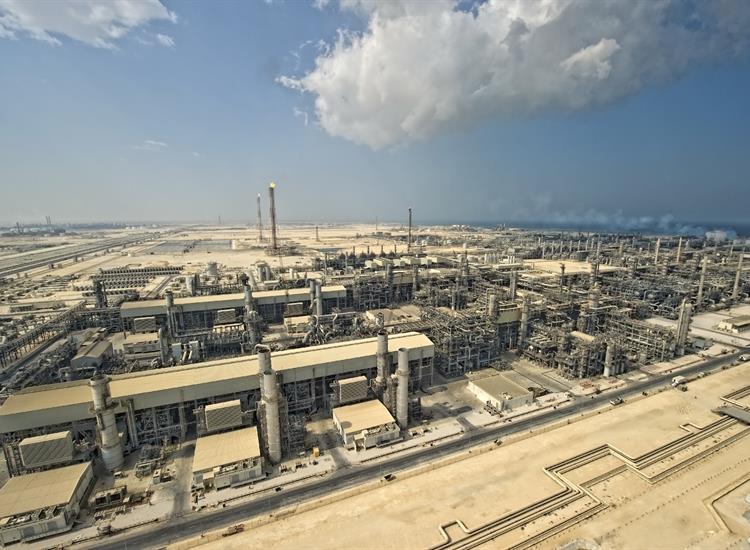
Qatar also pushed back against suggestions that it had exaggerated or fabricated damage to its Ras Laffan LNG facility as a pretext for its closure, saying the decision to declare force majeure on LNG contracts was taken solely because employee safety could no longer be guaranteed following Iranian missile attacks on Qatari territory.
“Qatar was actively defending its territory against Iranian missile attacks at the time,” the statement said, describing the allegations as “particularly implausible”.
The office said threat assessments by Qatar’s military had identified a credible risk to human life at energy facilities, and that QatarEnergy — which has “a well-established reputation for communicating facts and steering clear of political matters” — had not misrepresented the basis for the suspension of operations.
“Qatar will always prioritise the safety of its people over commercial considerations,” the statement added.
Qatar rounded on The Washington Post directly, saying it was “deeply regrettable” that the publication had “allowed itself to be used as a conduit for a disinformation campaign orchestrated by actors intent on undermining regional peace efforts.”
“It has lent credibility to false claims and failed to meet the standards of accuracy that its readers expect,” the statement said.