The delegation concluded its visit to Lebanon with a visit to the Beirut Governmental University Hospital – Karantina, which Qatar had pledged to reconstruct in 2021.
A delegation from the Qatar Fund for Development (QFFD) visited Lebanon this week to explore and back humanitarian and development initiatives under the Gulf state’s broader efforts to support the country.
“This visit reaffirmed QFFD’s enduring commitment to supporting the brotherly people of Lebanon and its dedication to enhancing cooperation with national and international partners to ensure the provision of effective and sustainable humanitarian and development services,” QFFD said in a statement on Sunday.
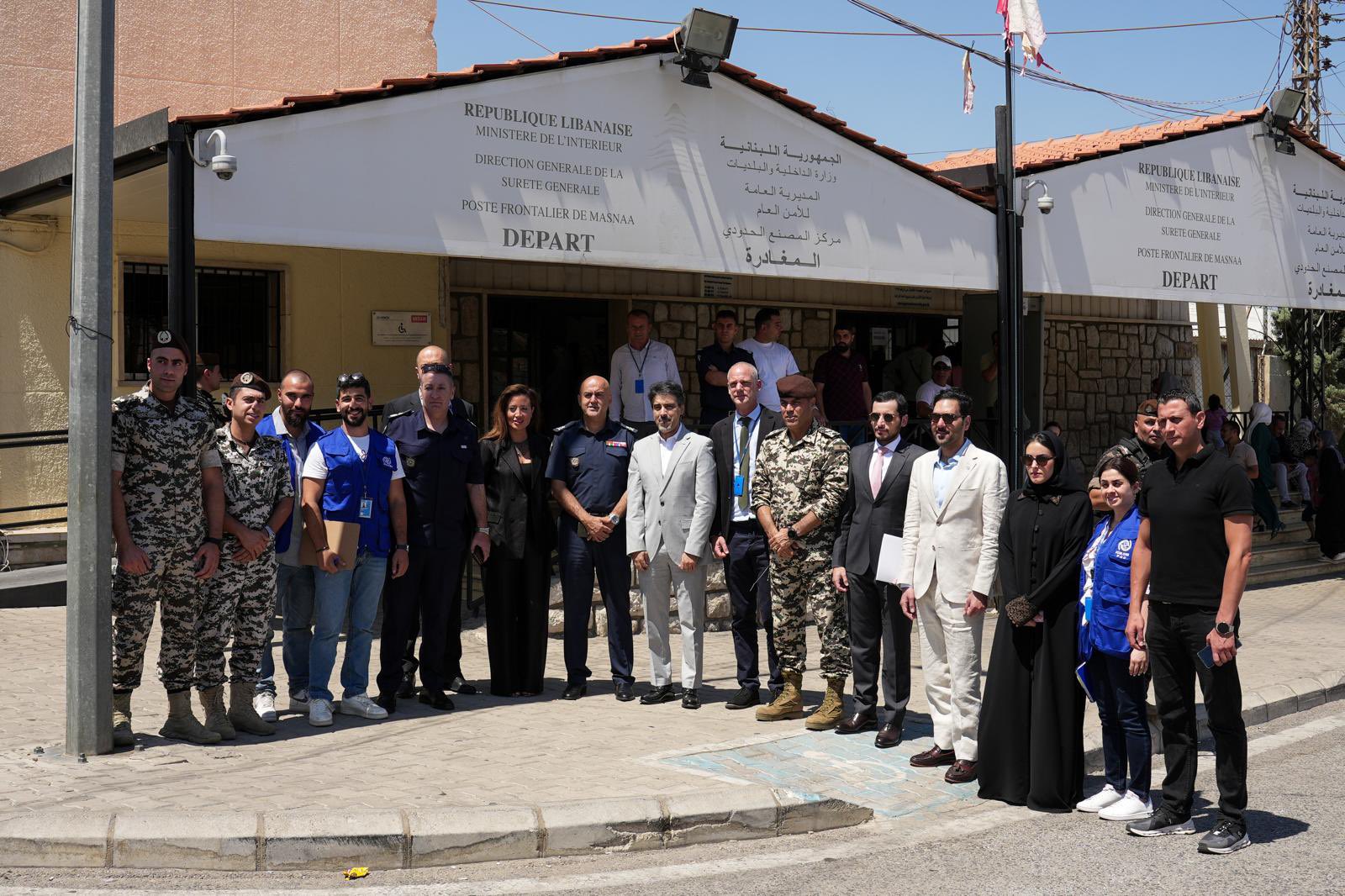
QFFD’s Director General, Fahad Al-Sulaiti, and Qatar’s Ambassador to Lebanon, Sheikh Saud Al Thani, led the delegation, which met with Lebanese technical stakeholders and government officials including the army.
The delegation also discussed the displaced populations’ needs in Lebanon during a meeting with officials from the United Nations International Organization for Migration (IOM).
The teams then visited the Lebanon-Syria Masnaa crossing on the Lebanese side under their efforts to ensure the “coordination for the safe, voluntary and dignified return of Syrian refugees”.
Lebanon hosts the world’s largest population of Syrian refugees per capita and per square kilometre. The influx of refugees came after the ousted Bashar Al-Assad regime launched the brutal war in Syria in 2011.
The country hosts an estimated 1.5 million Syrian refugees, according to figures by the UN’s refugee agency (UNHCR).
The QFFD delegation that visited Lebanon also reviewed the progress of efforts to support internally displaced persons and Syrian refugees across Beirut, Nabatieh, South Lebanon, Beqaa, and Baalbek-Hermel.
The QFFD’s delegation concluded its visit to Lebanon with a visit to the Beirut Governmental University Hospital – Karantina, which Qatar had pledged to reconstruct in 2021, months after the devastating Beirut Port Blast.
“The visit underscored the importance of sustaining essential medical services for the local population, particularly in light of increasing pressure on public health infrastructure,” the statement said.
A Qatari delegation led by then-Minister of State for International Cooperation, Lolwah Al-Khater, visited the hospital last October amid Israel’s aggression on the country. Al-Khater had visited wounded people at the hospital in a show of solidarity for the country.
In May, QFFD alongside the Qatar Red Crescent Society (QRCS) joined efforts with Lebanon’s Ministry of Social Affairs to launch phase two of the “Road to Stability” initiative. The joint campaign was aimed at supporting poor Lebanese and Syrian families affected by Israel’s war on the country.
Qatar has long played a leading role in backing Lebanon during periods of crisis, from the 2006 Israeli war, the 2020 Beirut Port explosion to the country’s economic collapse.
The Gulf state has also consistently supported the Lebanese Army and broader state institutions as part of its efforts to help stabilise Lebanon amid worsening economic conditions.
Last month, Qatar announced plans to support Lebanon’s power supply during the summer and explore broader efforts to bolster the country’s struggling energy infrastructure.
The announcement came during a press conference between Qatar’s Prime Minister and Minister of Foreign Affairs, Sheikh Mohammed bin Abdulrahman Al Thani, and Lebanese Prime Minister, Nawaf Salam, in Doha.
“We addressed the urgent need to provide energy to our brothers in Lebanon during the summer season. God willing, this matter will be discussed with the Qatar Fund for Development and QatarEnergy to provide whatever support is possible,” Sheikh Mohammed told the press on June 24.