Qatar’s Prime Minister has called for Israel’s withdrawal from Lebanese territories while reiterating Qatar’s support for Lebanon and its people.
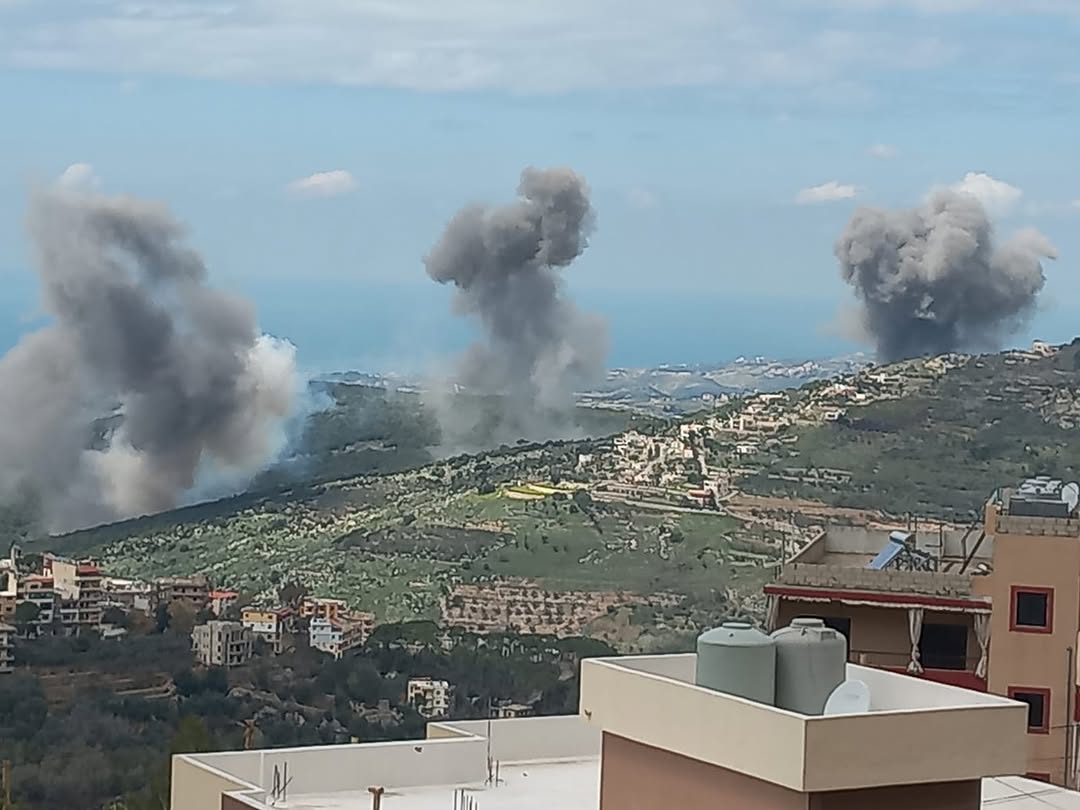
Qatar has condemned Israel’s intensified attacks on southern Lebanon, which killed at least seven people and wounded 40 others, marking the largest escalation since the November ceasefire announcement.
The Gulf state’s condemnation came during a phone call on Saturday between Qatar’s Prime Minister and Minister of Foreign Affairs, Sheikh Mohammed bin Abdulrahman Al Thani, and Lebanon’s Prime Minister, Nawaf Salam.
“The Prime Minister and Minister of Foreign Affairs expressed the State of Qatar’s condemnation of the Israeli bombardment that targeted southern Lebanon, emphasising the importance of all parties’ commitment to the ceasefire deal,” Doha’s foreign ministry said in a readout on the call.
Sheikh Mohammed has also called for Israel’s withdrawal from Lebanese territories while reiterating Qatar’s support for Lebanon and its people.
The conversation between Sheikh Mohammed and Salam also tapped into bilateral relations while “sharing perspectives on a range of regional and global issues of common concern”.
Largest escalation since November truce
Israel has intensified its attacks on southern Lebanon on Saturday, days after it resumed its aerial bombardment of the Gaza Strip on March 18, in violation of the January 19 truce deal mediated by Qatar, Egypt and the United States.
The latest attacks marked the largest escalation since the November 27 ceasefire, after Israel claimed that Hezbollah fired rockets from southern Lebanon—which the group has denied.
Israeli Prime Minister Benjamin Netanyahu and Defence Minister Israel Katz then ordered “a second wave of air strikes against dozens of Hezbollah targets”. Some of the targeted areas included Nabatieh, Tyre and Jezzine.
Israel’s attacks on Saturday have killed at least seven people and wounded 40 others, including children, according to Lebanon’s state news agency (NNA).
Lebanese President Joseph Aoun issued a statement condemning “attempts to once again drag Lebanon into the cycle of violence”.
“What happened today in the south, and what has been ongoing since February 18th, constitutes a persistent attack on Lebanon and undermines the rescue plan that all Lebanese have agreed upon,” Aoun said, referring to Israel’s past violations of the ceasefire deal.
He also called on “all relevant forces in the south, especially the monitoring committee established” under last November’s deal and the army to follow the developments “with the utmost seriousness”.
Attacks on Lebanon had increased following Israel’s launch of the genocide in the Gaza Strip on October 7, 2023.
Israeli air strikes spread to the capital Beirut, and killed more than 4,000 people while targeting civilian structures. Israel had also assassinated Hezbollah Secretary-General Hassan Nasrallah in September last year.
Despite a February withdrawal from most territories, Israel still occupies five border points in southern Lebanon.