I went karting, having never driven. The toughest thing wasn’t the speed, it was trusting myself to take it
I’ve never driven a car. Not in traffic. Not in a parking lot. Not even the times my friends have trusted me with theirs. It does not have anything to do with moral stances: I just never cared enough to learn.
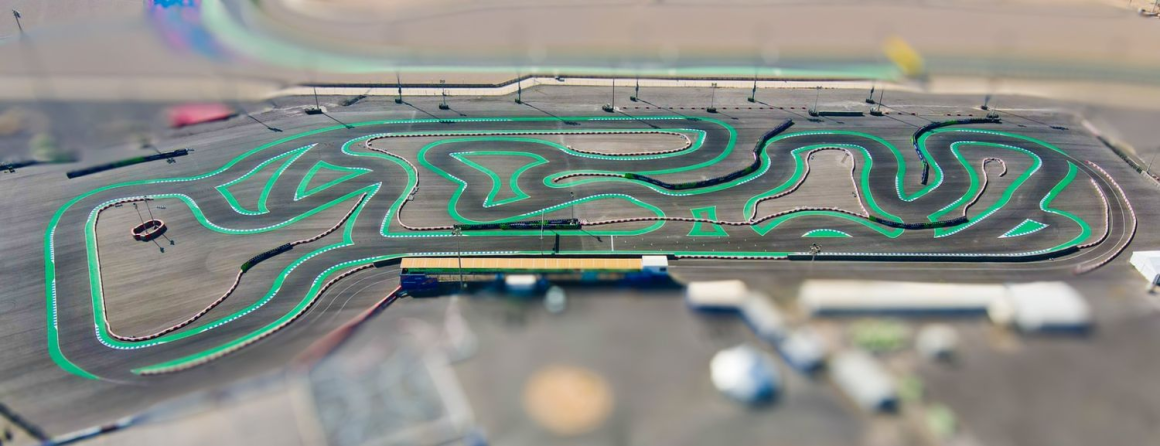
So when I showed up at Lusail Karting Circuit earlier this week, I had a distinct feeling of walking into a test that I had never studied for.
I had arrived nervously early, the kind that suggests a mix of eagerness and existential dread. “What if a reckless bump from behind ends up in a crash?” I asked myself repeatedly. I was not familiar with the speed of any kind.
And soon, I was in the briefing room, where I was the first one on board again. “Trust me,” said Brian, a staff member at the track, “It is fun. You will not be the slowest on track.” Sound advice and a reassuring one, too.
I knew I had a few questions to put before Brian, before the briefing room started filling, to save myself from embarrassment.
“What is the worst that can happen?” I asked.
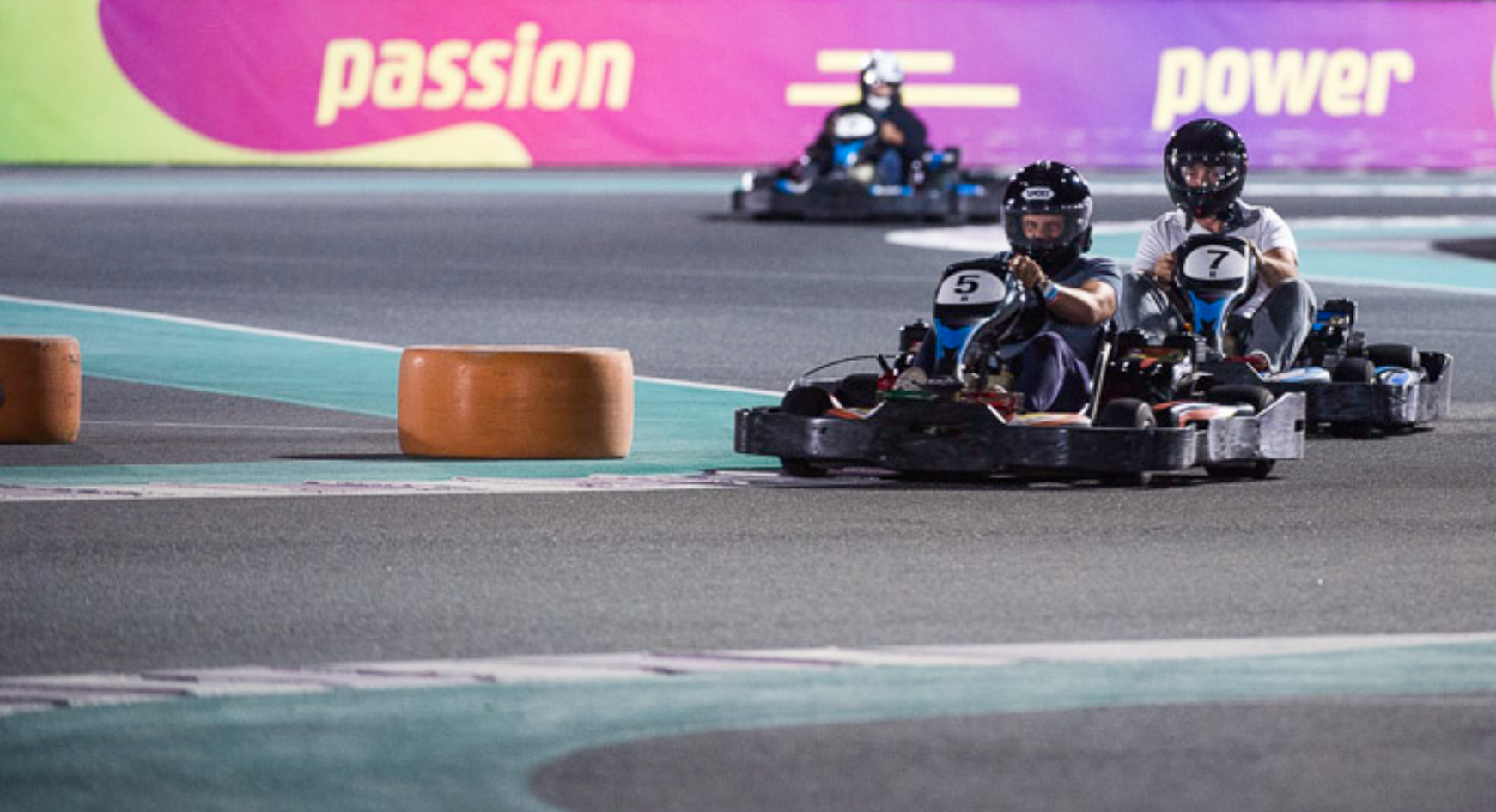
“The karts are very safe,” he answered. “If you aren’t reckless, you’ll enjoy it. Just don’t hit the brakes too hard or the kart will spin back the way it came.” The 270 CC karts can hit up to 50-60 kilometres per hour on full throttle.
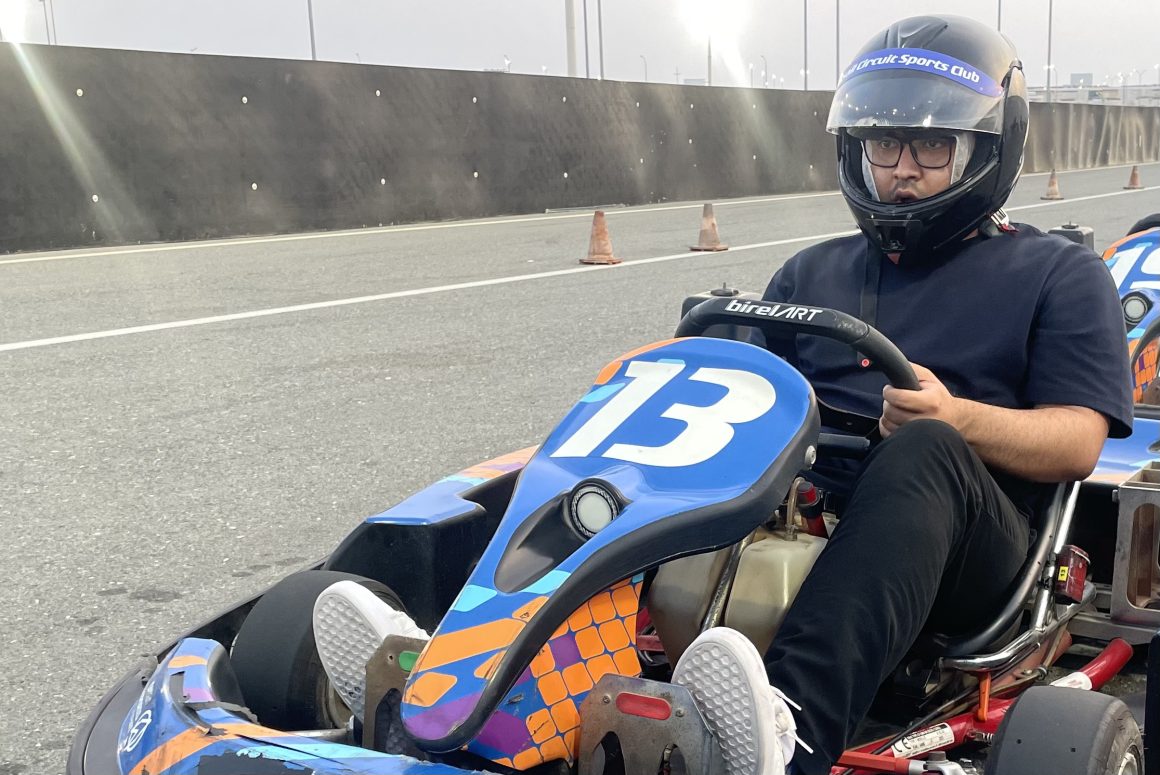
The safety briefing afterwards was fairly straightforward. Karting is a non-contact sport, hence no room for bumping into each other. No deliberate crashing or skidding. A minimal number of technicalities: brake on the left, accelerator on the right. Respect each other as well as the flags and you’re good to go.
I raised my hand twice, rather sheepishly, as we were being briefed about the track layout. Once, when asked who didn’t have a driver’s license, then again among those who had never gone karting outdoors.
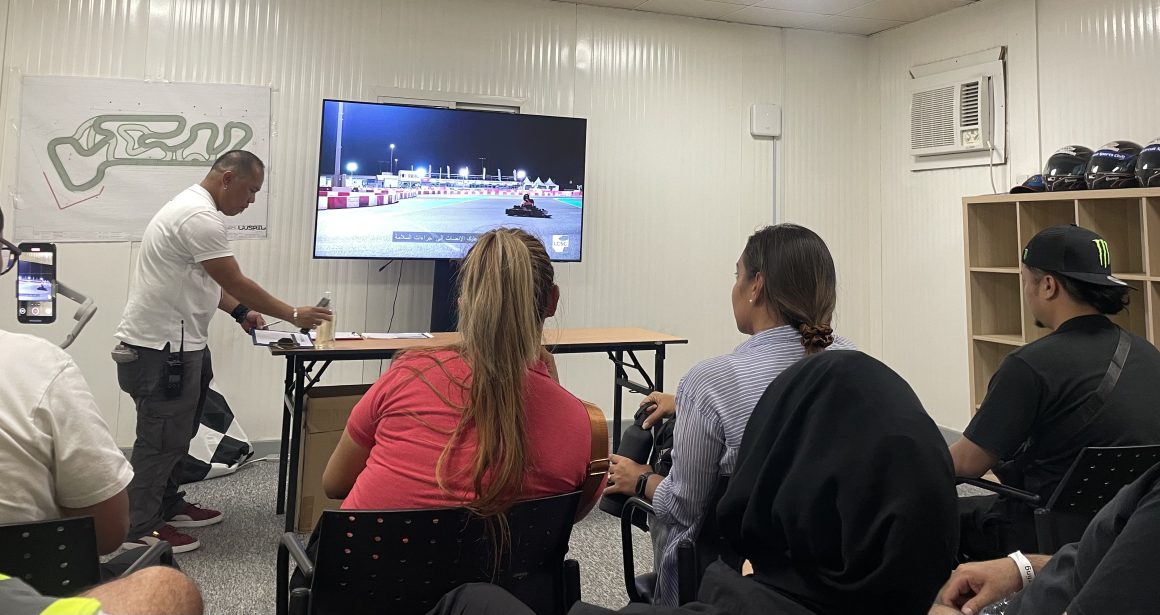
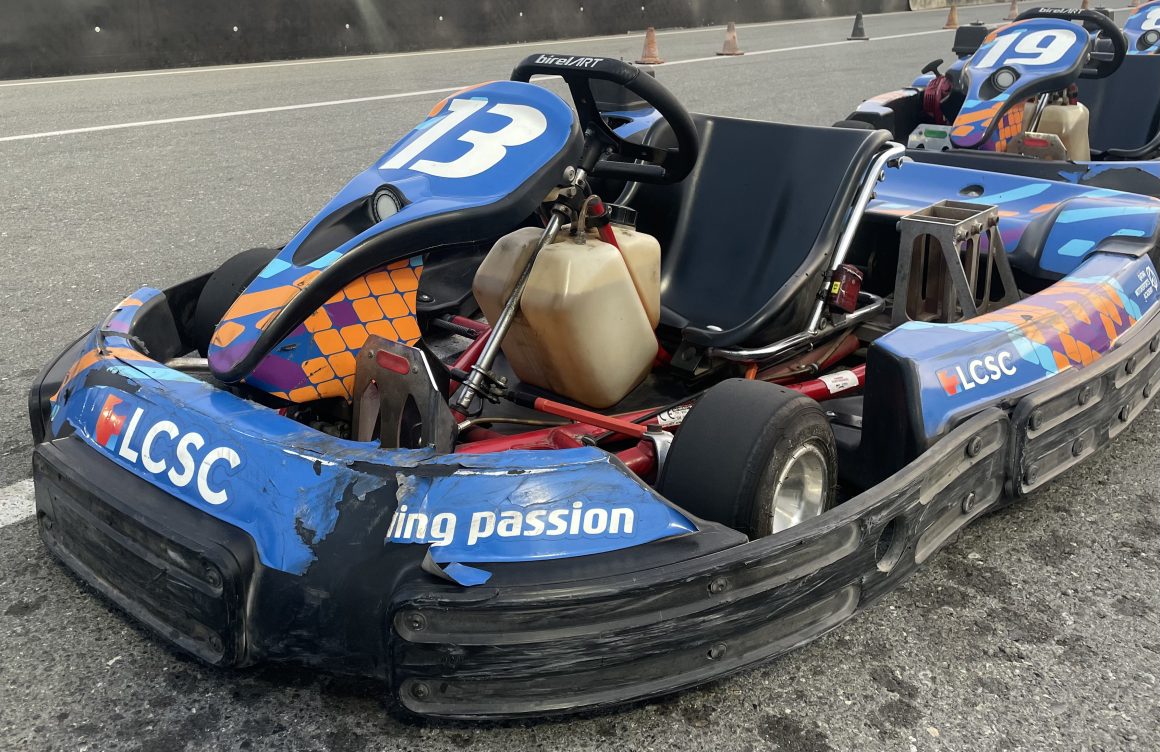
Then came the walk to the track. I was assigned kart 13, a number that felt unfairly symbolic for no added reason. Helmets on, hair compressed into silence. I had to make sure I was right with the instincts one final time: brake on the left, accelerator on the right.
As the visor snapped shut, the voices in the back of my head rang. Focus not on what could be written about this all, but on completing the session and overtaking at least one kart ahead.
That opportunity came quickly. Kart 17 was ahead, floating a little too wide on the racing line. I see an opening. I brake late, too late by my standard, but just enough to hold the corner. It felt like the F1 highlight reels that pop up too many times, minus the ineluctable G-forces and the imposing skill. The speed difference, too, is beyond comparison.
Everything about the process felt surprisingly professional (this perhaps justifies why it felt like F1 for a moment). Marshals were being instructed from the monitoring station ahead about incidents in the track with a conductor’s precision. Green flags waved when everything was fine, yellow flags cautioned when there were incidents. In ways more than one, it felt like a scale model where one gets to find out just how tough it is to keep the line, feel the grip, and not spin out when instinct tells you to slam the brake.
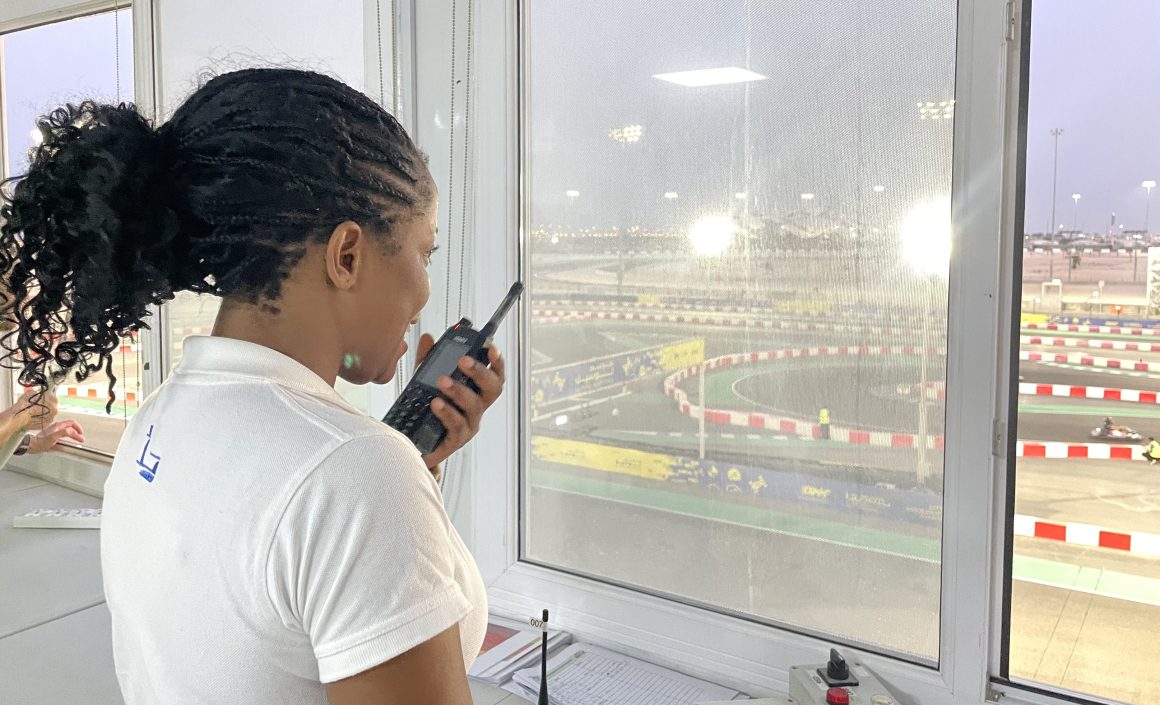
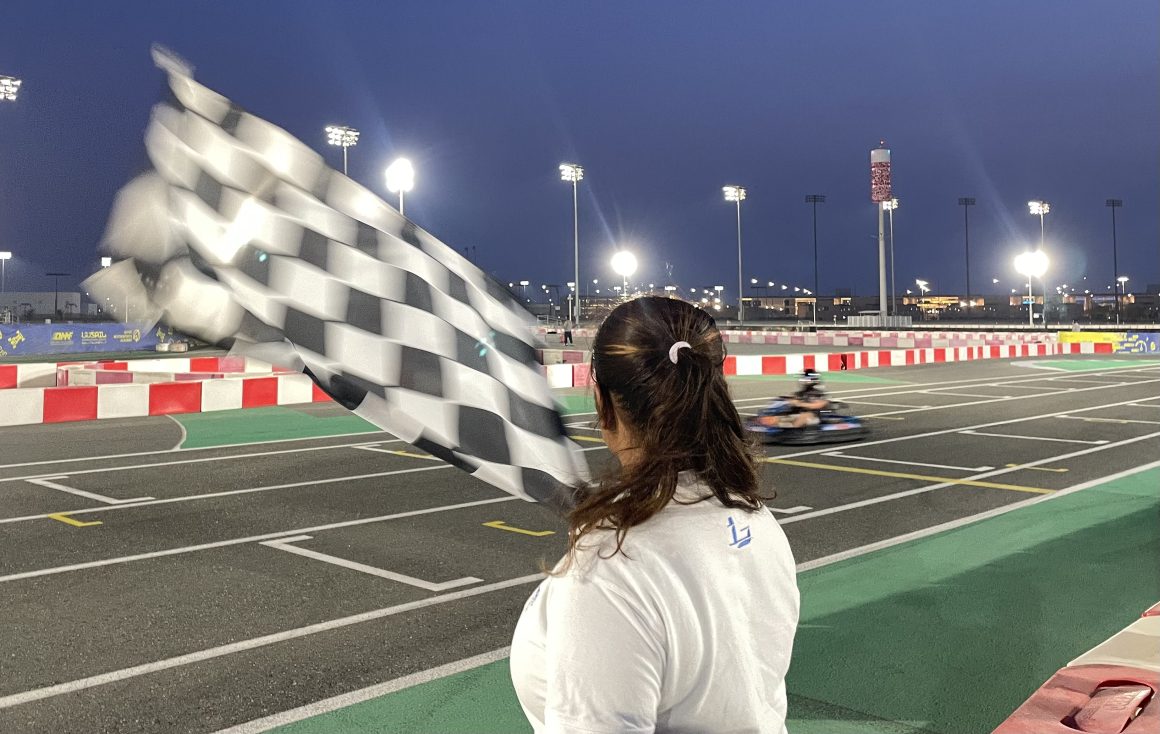
And before I realised, the chequered flag was waving. I finished 12th out of 16. Not bad, but could be better.
So I went again. Another 12-minute session, this time in kart 24. I don’t know if 24 was faster, or if the pedals were just tuned for someone with heavier feet, but I found myself oversteering more than once.
The confidence was growing, perhaps slightly ahead of the skill. I overtook more karts and went full throttle on the main straight. I avoided others entirely. Some looked like they were in it to win it. I gave them space.
Still, I felt like I improved, and the scoreboard was there to prove it. My fastest lap was 22 seconds better than the previous session. Last place this time, but perhaps only the best of the lot were on the track. Turns out, steering without power assist is not just driving, but it is a workout, and I had muscle aches to prove it.
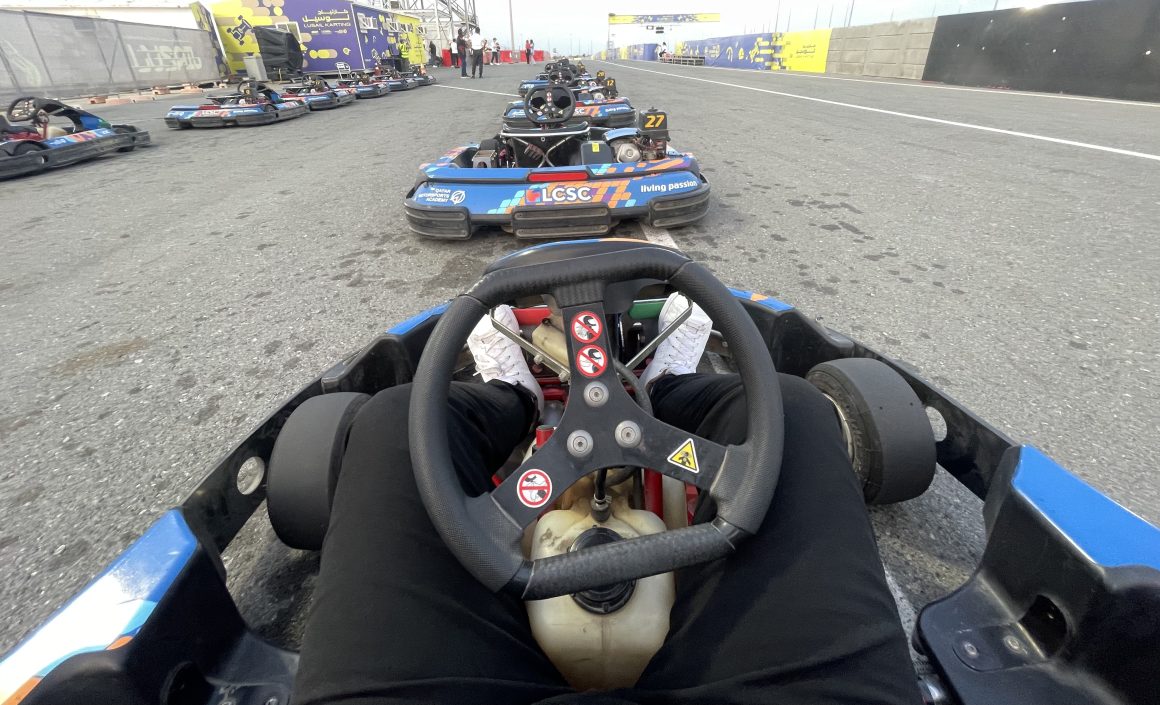
The funny thing about karting and maybe racing in general is that there will be occasions where you’re tricked into believing that you’re in control. And maybe you are, for a few corners and a few brave overtakes. But really, you’re learning to respond, to adapt, to trust that the kart will do its job if you do yours.
I had imagined karting to be a diluted thrill, something for the licensed and the thrill-seekers. Discovering that the majority of the cast that currently fill the F1 grid came from karting, while covering the sport, contributed to that feeling too.
Instead, I found a sport surprisingly democratic, accessible even to the license-less among us. The track doesn’t care about your road experience. It only wants to know if you’re willing to try. It tests your focus and, above all, still within the safety parameters.
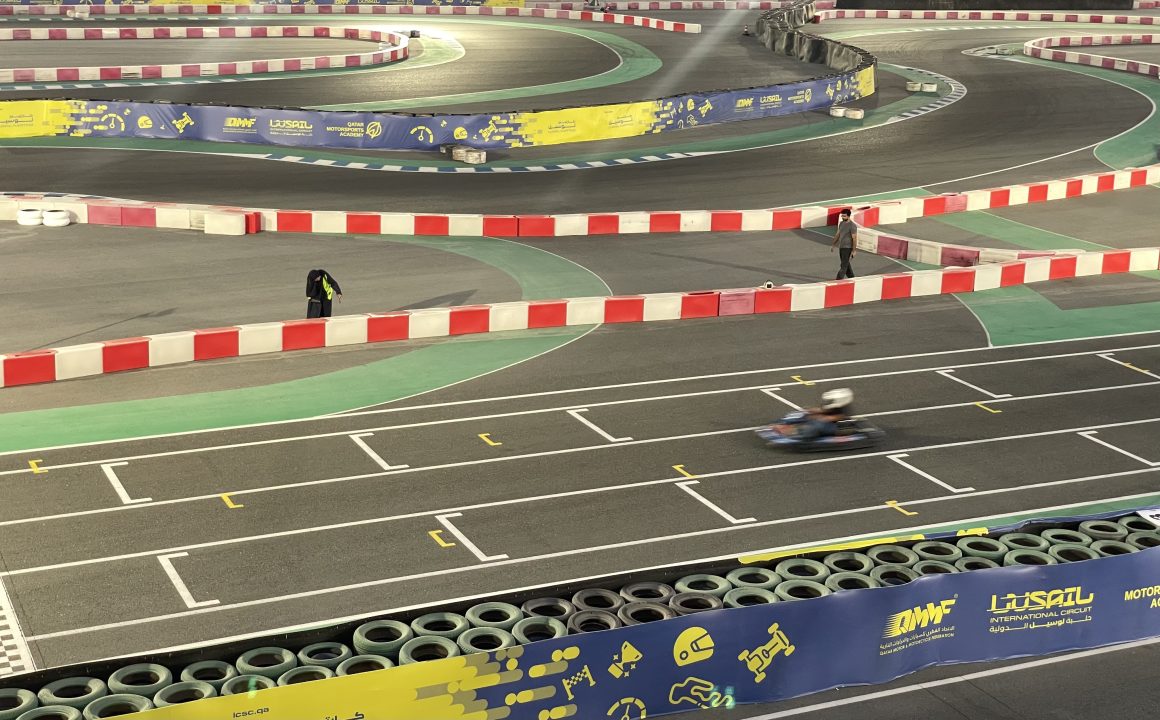
But to think that I learned how to drive with two sessions would be a stretch. I still don’t drive. But I’ve taken Turn 7 at Lusail with a late brake and a grin. I’ve been overtaken, overtook, spun out slightly, corrected, and pressed on.
I will probably still be without a driving license when I go back to Lusail. I will probably finish last, too. But I’ll do it faster, smoother, maybe even with a little more courage.
Because, like most things, karting is not entirely about winning. Maybe it is to keep turning up. Hands tight and foot, ever so gently, on the gas.
Karting at Lusail is now available for the public. More information and booking details here.